































How To Choose The Perfect Wicker Chair For Outdoor Comfort


Why a Wicker Chair Might Be Your Next Best Home Investment
If you’ve typed “wicker chair” into a search bar, you’re probably juggling a few questions: Will it survive my balcony’s summer heat? Does it look as cozy as the pictures promise? How do I keep it looking fresh year after year? Those concerns are common enough that seasoned outdoor‑living specialists have built a whole set of practical guidelines around them. The good news? Modern wicker—whether woven from natural rattan, synthetic resin, or a blend of both—has evolved far beyond the flimsy garden seats of the ‘70s, offering a surprisingly sturdy and stylish option for patios, living rooms, and even compact city apartments.
In the next few minutes we’ll walk through exactly how wicker chairs are made, what to look for when you’re shopping, and the simple upkeep tricks that keep the weave tight and the look polished for seasons to come. By the end, you’ll not only know which model fits your aesthetic and climate, but also how to protect that investment so it stays a conversation starter rather than a replacement‑buyer’s regret. Let’s dive in.
Match Your Lifestyle With Functional Features
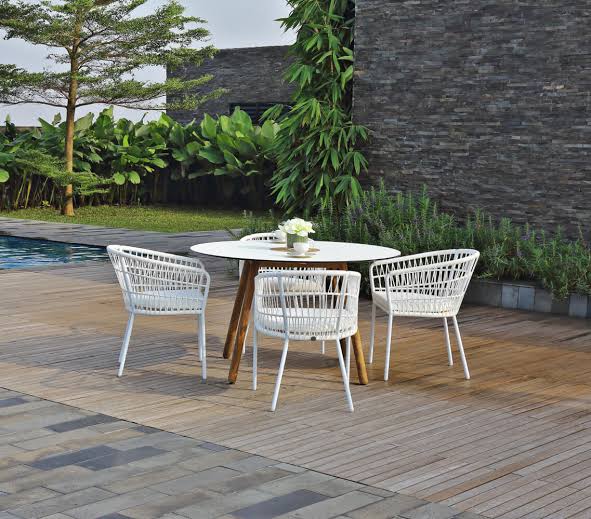
Beyond aesthetics, the way you intend to use your wicker chair shapes the decision. If you host weekend barbecues and need to rearrange seating on the fly, a lightweight frame that folds flat can be a game‑changer. Folding yard chairs provide that mobility without sacrificing comfort, and many modern designs incorporate weather‑resistant wicker slats that blend seamlessly with permanent pieces. When you prefer a more permanent fixture that still offers a relaxed vibe, consider pairing a classic wicker lounge with a polywood adirondack chair; the contrast of textures adds visual interest while keeping the whole set low‑maintenance.
Evaluate Maintenance Demands Early
Even the most beautiful wicker chair will lose its charm if upkeep feels like a chore. Look for chairs with removable cushions and frames that can be wiped down with a damp cloth, which reduces the need for specialized cleaners. Some manufacturers treat their synthetic rattan with UV‑blocking agents, extending the lifespan in harsh sun. If you already own polywood adirondack chairs, you’ll appreciate that both materials share a similar cleaning routine, allowing you to streamline your outdoor care schedule.
Plan for Seasonal Storage
Outdoor furniture often endures a full range of weather, but clever storage can prolong its life. Choose a wicker chair that disassembles easily or folds into a compact shape; this way, you can tuck it away when winter approaches without sacrificing precious patio space. A folding yard chair that collapses in under a minute fits neatly into a garage shelf or garden shed, making the transition from summer to off‑season effortless. Pairing such portable pieces with sturdier polywood adirondack chairs creates a balanced ensemble—one that’s ready for spontaneous gatherings and also built to endure the elements year after year.
How to Choose Luxury Home Furniture That Actually Works for Your Life
When I started outfitting my own loft in 2018, I quickly learned that “luxury” isn’t just a price tag—it’s a blend of craftsmanship, lasting comfort, and a story that fits your daily rhythm. Below is the step‑by‑step approach I still use with clients at [CV. Luxury Home Furniture](https://www.luxuryhomefurniture.co.id), written from the inside‑out so you can see why each decision matters and how it plays out in a real home.
1. Begin with the Purpose Before the Aesthetic
Every piece of high‑end furniture should solve a problem first, then look good. In my experience, the most common mistake is falling in love with a design that never sees real use.
- Living‑room anchor – Do you need a sectional that survives movie‑night marathons, or a sleek chaise that invites afternoon reading?
- Dining‑room focus – A hand‑crafted marble table is stunning, but if you host weekly family gatherings, durability and easy cleanup become priorities.
By writing down the primary activities for each room, you create a practical filter that prevents later regret.
2. Inspect the Materials – Not All Wood Is Equal
Luxury furniture often touts exotic woods, but the difference lies in grain stability and finish. I’ve spent countless hours comparing solid teak (renowned for its natural oils and resistance to humidity) with veneer‑wrapped oak that can warp in a humid kitchen.
- Solid teak – Ideal for pieces that sit near windows or in breezy patios. Its oil content protects against moisture, meaning you’ll rarely need refinishing.
- Veneer‑wrapped oak – Offers the visual heft of oak at a lighter weight, but it requires a stable indoor climate; sudden spikes in humidity can cause the veneer to lift.
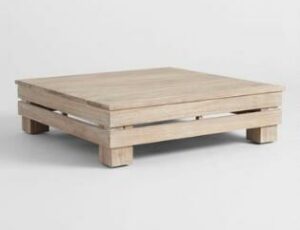
When I first installed a teak coffee table in a sun‑lit lounge, the surface stayed cool and unchanged after two years of tropical summers—proof that material choice matters beyond looks.
3. Evaluate the Construction Techniques
A beautiful finish means little if the underlying joints are weak. Hand‑carved mortise‑and‑tenon joints, for example, distribute stress evenly and can last generations. In contrast, hidden dowels or cheap staples may save a few dollars but often lead to creaks after a few months.
- Mortise‑and‑tenon – Found in many European‑style armoires and solid‑wood desks; it’s a hallmark of true craftsmanship.
- Finger‑jointed panels – Common in modern minimalist sofas; they offer strength while reducing waste, but you’ll want to verify the glue quality (Urethane‑based adhesives are the industry standard).
During a recent project for a client’s home office, I chose a finger‑jointed walnut desk because it balanced eco‑friendliness with the sleek profile they wanted—yet I insisted on a Urethane glue test to confirm long‑term stability.
4. Consider Customization Early
Most luxury brands offer a base design, but the true value comes when you tailor dimensions, leg height, or upholstery to your space. I once ordered a custom Italian leather Chesterfield sofa with a reduced depth to fit a narrow hallway. The result was a piece that felt custom‑built, not a compromise.
- Upholstery fabrics – Natural fibers like linen breathe better than synthetic blends, but they stain more easily. A high‑performance finish (e.g., Sunbrella‑treated linen) can extend life without sacrificing feel.
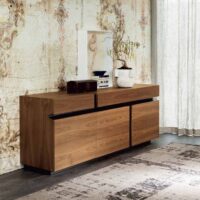
- Finish options – A matte oil finish on a walnut sideboard highlights grain depth, whereas a high‑gloss lacquer can protect against spills in a kitchen setting.
Ask the manufacturer for a sample swatch before committing; the tactile experience often reveals subtleties that photos hide.
5. Test Ergonomics Before You Commit
Even the most opulent chair can ruin a day if it doesn’t support the spine. I always sit in the chair, adjust the backrest, and simulate a typical task—whether that’s typing, reading, or simply lounging.
- Seat depth – Should allow you to sit back while keeping a few inches of leg space; a common rule of thumb is that the seat depth equals the length of your thigh minus the heel clearance.
- Arm‑height – Ideally aligns with your elbows at a 90‑degree angle when your hands rest on a desk.
A client once chose a striking high‑back armchair based solely on its silhouette, only to feel a nagging shoulder strain after a week of work‑from‑home. We swapped it for a slightly lower back model with the same leather finish, and the difference was immediate.
6. Factor in Maintenance
Luxury pieces deserve care, but the level of upkeep should match your lifestyle. A handcrafted solid walnut dining table can be refreshed with a light oil every six months, while a glass‑top coffee table needs only occasional polishing.
- Cleaning agents – Avoid ammonia‑based cleaners on wood; a pH‑balanced wood soap maintains the finish without stripping natural oils.
- Protective accessories – Felt pads under furniture legs safeguard hardwood floors, and coasters under glassware prevent etching.
When I first installed a teak sideboard in a beachfront condo, I recommended a marine‑grade oil. Six months later, the client thanked me because the wood retained its golden hue despite salty air.
7. Mini Case: A Real‑World Walk‑Through
Scenario: A young couple moved into a 3‑bedroom loft with a 20‑foot open kitchen‑living area. Their goal was to blend modern minimalism with a warm, inviting vibe.
- Purpose mapping: They needed a sectional that could transition from a TV‑watching zone to a casual dining space.
- Material selection: I suggested a solid walnut frame with a natural oil finish, because walnut ages gracefully and the oil protects against occasional spills.
- Construction check: The sectional’s arms were built with mortise‑and‑tenon joints, ensuring durability when friends leaned on them.
- Customization: To keep the space airy, we reduced the arm depth by 2 inches and selected a low‑profile cushion with high‑performance linen that resists stains.
- Ergonomic test: Sitting on the sectional, the couple could stretch their legs comfortably—no pinching against the coffee table.
- Maintenance plan: I supplied a simple oil‑application kit and a set of washable slipcovers for the cushions, reducing long‑term upkeep.
Result: After six months, the couple still enjoys the sectional daily, and the wood’s warm patina has become a conversation starter during gatherings.
8. Balance Budget with Longevity
Luxury furniture often feels like a big expense, but when you compare the lifetime cost of a well‑built piece to a cheaper alternative that replaces after a few years, the difference narrows. A solid‑wood bed frame might cost twice as much as a particle‑board version, yet it can serve three generations with proper care.
In my consulting work, I ask clients to calculate a cost‑per‑use metric: total price divided by the estimated years of use. This simple math frequently justifies the higher upfront investment.
9. Trust the Dealer
Finally, buying from a reputable source matters. A dealer that offers a clear warranty, transparent sourcing (e.g., FSC‑certified wood), and responsive after‑sales service protects you from hidden defects. At CV. Luxury Home Furniture, the team walks you through each material sheet, shows the actual joint samples, and provides a written maintenance guide—features that make the purchase feel secure.
Quick Checklist for Your Next Luxury Purchase
| ✔️ | Item | Why It Matters |
|—-|——|—————-|
| 1 | Define primary use for each piece | Prevents aesthetic‑only decisions |
| 2 | Verify material origin and finish | Guarantees durability in your climate |
| 3 | Inspect joint construction (mortise‑and‑tenon, finger‑joint) | Ensures structural integrity |
| 4 | Request custom dimensions & fabric samples | Aligns with your space and lifestyle |
| 5 | Test ergonomics in‑store or via a mock‑up | Reduces post‑purchase discomfort |
| 6 | Ask about maintenance routine & products | Extends lifespan and preserves look |
| 7 | Compare cost‑per‑use, not just price | Highlights long‑term value |
| 8 | Choose a dealer with clear warranties & sourcing | Protects against hidden flaws |
Closing Thought
Luxury furniture should feel like an extension of your daily life—beautiful, resilient, and perfectly tuned to how you live. By treating each purchase as a blend of purpose, material science, and hands‑on testing, you avoid the pitfalls of “look‑only” buying and create a home that ages gracefully.
If you’re ready to explore options that balance design with real‑world performance, visit [CV. Luxury Home Furniture](https://www.luxuryhomefurniture.co.id). Their catalog showcases the kind of craftsmanship I’ve come to rely on, and the team will walk you through every step outlined above.
Remember: The most satisfying luxury piece is the one you reach for without hesitation, day after day. Happy furnishing!
Also Read: How to Pick the Right Table and Chairs for Outside Spaces