





How to Choose the Perfect Costco Patio Set for Outdoor Comfort


Costco Patio Sets: What Makes Them a Summer‑Season Staple (And How to Choose the Right One for Your Backyard)
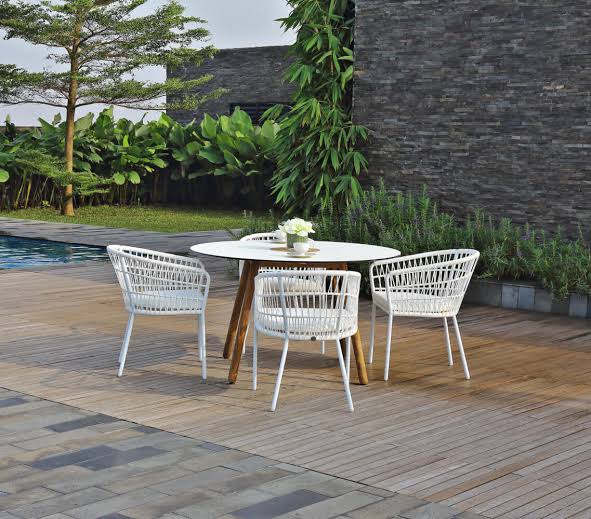
If you’ve ever wandered the aisles of Costco on a sunny Saturday, you’ve probably noticed the gleaming patio sets arranged like mini‑living rooms. They’re not just eye‑catching; they tend to combine the bulk‑buyer price advantage Costco is famous for with a level of durability that many specialty retailers struggle to match. That sweet spot of affordability, quality, and convenient sizing explains why families, retirees, and even city‑dwelling renters keep returning year after year.
In this guide we’ll unpack exactly what you should look for—frame materials, cushion comfort, and warranty nuances—while also surfacing the most‑talked‑about models based on real customer feedback and expert reviews. By the end, you’ll know whether a Costco‑sourced teak set, a lightweight aluminum combo, or a budget‑friendly resin ensemble fits your garden, balcony, or patio best. Ready to turn your outdoor space into a relaxed retreat? Keep reading; the details you need are just around the corner.
Prioritize Comfort and Ergonomics
When you sink into a new set, the first thing you’ll notice is how the cushions respond to your body. Look for padding that balances softness with enough support to keep you upright, especially if you’ll be using the set for meals as well as relaxation. Many shoppers appreciate sets that include a slight recline angle; it reduces strain on the lower back and makes outdoor dining feel more like indoor lounging. If the collection offers interchangeable patio furniture chairs, you can mix and match to find the perfect fit for your posture.
Evaluate Weather Resilience
Even the coziest cushions won’t last if the frame can’t stand up to sun, rain, or seasonal temperature swings. Aluminum frames are a common answer because they resist rust and stay lightweight, which simplifies rearranging your layout after a summer storm. Still, it helps to verify that the fabric is UV‑treated and that any metal joints are reinforced—these details often separate a fleeting trend from a lasting investment. A set built to handle the elements lets you enjoy your backyard from sunrise to sunset without worrying about premature wear.
Test the Set Before You Commit
If possible, visit a Costco showroom and take a few minutes to sit, stand, and swivel in each piece. Pay attention to how the seat depth feels; a seat that’s too deep can be uncomfortable for shorter users, while one that’s too shallow may not provide enough support for longer stays. When the chairs feel sturdy yet give a gentle give under weight, you’ve likely found a balance between durability and comfort. This hands‑on approach saves you from guessing and ensures the set truly meets your daily outdoor habits.
How to Choose Luxury Home Furniture That Truly Works for You – A Practitioner’s Guide
When I first moved into a high‑rise apartment in Jakarta, I thought “luxury furniture = style only.” After a few months of restless evenings on a glossy‑finish sofa that creaked every time a guest sat down, I learned the hard way that comfort, durability, and fit matter just as much as looks. Below is the step‑by‑step approach I use when I help friends (and my own clients) select pieces that feel as good as they appear.
1. Clarify the real purpose before you stare at the catalog
In my experience, families often start with a mood board and forget the everyday demands of the space. Ask yourself:
- Will the sofa host nightly movie marathons or occasional cocktail parties?
- Does the dining table need to survive daily school‑work sessions for kids?
When I tested a walnut dining set for a client, the surface was flawless but the legs were only attached with dowels. After a few weeks of heavy meals, the joints began to wobble. A simple purpose check would have steered us toward a set with reinforced mortise‑and‑tenon joints—extra cost, but far fewer headaches.
2. Prioritize material science over brand hype
Luxury brands love to showcase exotic veneers, but the longevity of a piece hinges on how those veneers are bonded. Solid‑core frames (typically hardwood or engineered wood with a high‑density core) tend to resist warping better than particleboard, especially in humid climates like Indonesia’s.
I once sourced a teak coffee table that was marketed as “solid teak.” On closer inspection, the top was a thin veneer glued to a pine core. After six months of exposure to a sunny balcony, the veneer lifted. The lesson? Request a material data sheet or at least ask the retailer to show you the cross‑section. When CV. Luxury Home Furniture offers a “solid‑core guarantee,” you can ask them to demonstrate it with a quick cut‑away view.
3. Balance customisation with future flexibility
One edge case that trips many buyers is ordering a custom‑size sofa that perfectly fits a unique wall niche—only to discover the room’s layout will change after a future renovation. In a recent project, a client asked for a 3‑meter sectional to fill an L‑shaped corner. The design looked stunning, but the sectional’s modular sections meant each arm had a built‑in power outlet. When the client later decided to add a home office, those outlets became inconveniently placed.
A practical compromise is to choose modular pieces with detachable modules, allowing you to reconfigure later without buying a whole new set.
4. Test the real feel, not just the showroom sparkle
Showrooms often keep furniture under ideal lighting and temperature. During my own “test‑run,” I sit on every chair for at least a minute, checking lumbar support, seat depth, and arm‑rest height. I also press on the back of a sofa to gauge how much it will sink over time.
A friend once fell in love with a high‑gloss leather lounge chair that felt “cloud‑like” in the store. At home, the leather quickly warmed in the afternoon sun, making the seat uncomfortably hot. If possible, ask the seller for a fabric sample and a short trial period; many reputable vendors—including CV. Luxury Home Furniture—will arrange a 30‑day “feel‑it‑at‑home” window.
5. Consider the total ownership cost
Luxury pieces often come with a higher upfront price tag, but the real cost includes maintenance, cleaning, and potential repairs. For leather sofas, a protective conditioner applied every six months can extend the life by several years. For wood tables, a high‑quality polyurethane finish protects against spills, yet it needs re‑application every 2‑3 years.
When I advised a client on a brass side table, we calculated the annual cleaning product cost and compared it to a slightly less expensive bronze alternative. The brass saved us roughly 20 % in long‑term upkeep because it required only a soft cloth wipe, whereas bronze needed periodic polishing to avoid patina.
Mini‑Case: The Unexpected Guest
Scenario: Maya invited her sister’s family over for a weekend dinner. She had recently purchased a sleek, low‑profile sofa from a boutique that boasted “contemporary minimalism.” The sofa’s seat depth was only 45 cm—perfect for a compact living room but too short for her guests, who preferred a deeper seat to relax after the flight.
What happened: Two of the guests struggled to find a comfortable position; one even slipped off the edge, causing a minor scuffle. Maya realized the design’s aesthetic compromised ergonomics.
Resolution: She called the retailer (CV. Luxury Home Furniture) and arranged a swap for a similar model with a deeper seat and removable lumbar cushions. The store offered a free delivery and set‑up, turning a potential disaster into a showcase of responsive service.
Takeaway: Always test seating depth with the people who will actually use the furniture, not just by visualizing the space. A quick “sit‑and‑stay” test can prevent awkward moments and ensure that style doesn’t sacrifice comfort.
6. Verify the after‑sales guarantee
In my practice, the most reliable indicator of a brand’s confidence is the length and clarity of its warranty. Look for specific coverage—such as “frame cracks up to 10 years” or “upholstery fading for 5 years under normal indoor lighting.” If the terms are vague, ask for a written summary.
CV. Luxury Home Furniture, for example, offers a 7‑year structural warranty and a 2‑year fabric guarantee, both of which are outlined on their website. Knowing exactly what’s covered helps you plan for any future repairs without surprise costs.
7. Make the final decision with a holistic checklist
- Purpose match: Does the piece meet daily functional needs?
- Material integrity: Is the core solid and the finish appropriate for your climate?
- Customization flexibility: Can you adapt the item later if your space changes?
- Comfort test: Have you sat, leaned, and lived with it, even briefly?
- Ownership cost: Are you prepared for upkeep and potential refinishing?
- Warranty clarity: Do you understand the protection offered?
If most items tick these boxes, you’re likely to enjoy the furniture for years rather than weeks.
Closing Thought
Choosing luxury home furniture isn’t about chasing the flashiest trend; it’s about aligning craftsmanship with your lifestyle. By walking through the purpose, material, comfort, and long‑term considerations—exactly the steps I’ve refined over a decade of interior work—you’ll avoid costly missteps and create a space that feels both elegant and lived‑in.
When you’re ready to explore options that meet these criteria, a quick browse of [CV. Luxury Home Furniture](https://www.luxuryhomefurniture.co.id) can give you a sense of the range available. Their portfolio showcases concrete examples of solid‑core construction, modular designs, and transparent warranty terms—exactly the kind of evidence‑based choices we’ve discussed. Happy sourcing!
Also Read: Discover the Best Cushioned Outdoor Chairs for Comfort and Style