






Choose the Perfect Patio Table and Chairs for Every Season

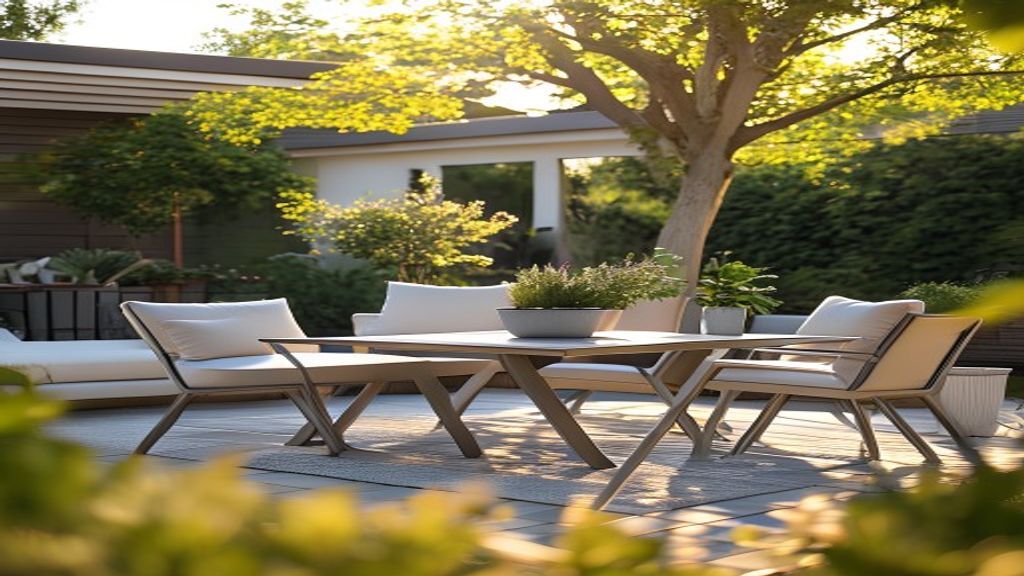
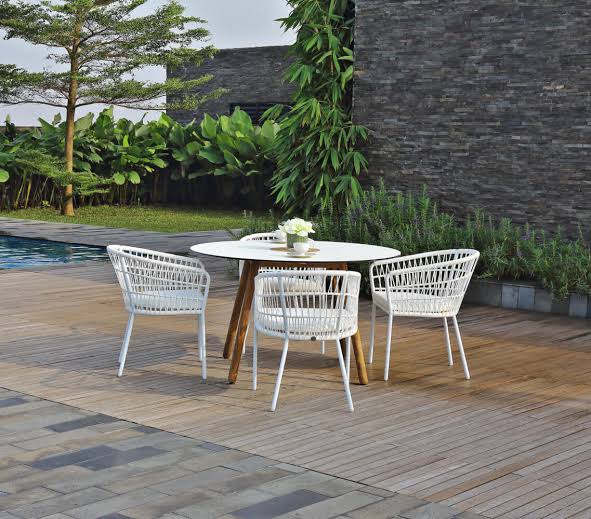
If you’ve just moved into a home with a backyard, or you’re finally ready to turn that under‑used patio into a weekend oasis, the first decision you’ll face is the table and chairs you’ll gather around. A well‑chosen set does more than hold plates and drinks—it sets the tone for countless al fresco meals, lazy Sunday brunches, and spontaneous game nights under the sky. Practitioners recommend starting with the way you intend to use the space: a compact bistro pair for a city balcony, a sprawling teak table for a family‑size garden, or a weather‑proof aluminum set that can survive a winter storm and still look sleek in spring. By grounding your choice in real‑life needs and material traits, you’ll avoid the common pitfall of “beauty over durability” that haunts many first‑time buyers.
In the next few sections we’ll walk through the three most decisive factors—material, size, and style—while sprinkling in tips you’ll rarely find on a generic shopping guide. You’ll learn why a powder‑coated aluminum frame can be a better investment than a glossy synthetic wood, how to measure your patio so the table fits like a glove without crowding the walkway, and which design cues blend seamlessly with both modern minimalism and classic cottage vibes. All of this is based on field experience from years of helping homeowners turn outdoor areas into functional, inviting retreats. Read on, and you’ll walk away with a clear roadmap to pick a patio table and chairs that truly match your lifestyle and budget.
Seasonal Flexibility: Seating That Grows With the Weather
When spring rolls in, you’ll often find yourself craving extra seating for spontaneous brunches or garden parties. A lightweight outdoor folding chair can be slipped under the table and stored in a closet when not needed, letting the space breathe without sacrificing capacity. Because the frames are typically aluminum or powder‑coated steel, they resist rust while staying easy to lift—perfect for a patio that shifts from quiet evenings to lively weekend gatherings. This approach also lets you experiment with different layout patterns without committing to a permanent arrangement.
As summer peaks, many homeowners appreciate a more communal vibe, especially for family meals that stretch beyond the table’s edges. Adding a dining set with bench introduces a shared seating experience that encourages conversation and can accommodate guests of varying ages more comfortably than isolated chairs. The bench’s backless design also doubles as a low storage platform for throw pillows or outdoor games, blending function with aesthetic charm. Choosing a bench that matches the table’s finish helps maintain visual cohesion, even when the surrounding foliage is in full bloom.
When autumn’s chill arrives, the same flexible pieces can transition into a cozy lounge area. Pair the folding chairs with a plush, weather‑resistant blanket, and you’ve got a spot for sipping cider while watching leaves fall. Meanwhile, the bench can be positioned alongside a fire pit, allowing you to stretch out and stay warm without the need for additional chairs. This seasonal choreography keeps your patio feeling fresh, functional, and inviting all year long.
Choosing Luxury Home Furniture That Truly Works for You
When I started furnishing my own apartment after a cross‑continent move, I quickly learned that “luxury” isn’t just about a high price tag—it’s about how a piece behaves in daily life. In my experience, the most satisfying purchases are the ones that balance timeless design, craftsmanship, and practical fit. Below is a step‑by‑step guide that distills the lessons I’ve gathered from years of working with high‑end showrooms, including a visit to CV. Luxury Home Furniture in Jakarta, where I tested dozens of sofas, tables, and storage units.
1. Start With the Room’s Function, Not the Aesthetic
A common mistake I made early on was falling for a gorgeous marble coffee table that looked spectacular on the showroom floor but proved too heavy for my modestly sized living room. The rule of thumb I now follow is simple: define the primary activity first—reading, entertaining, work, or sleep—and then let that dictate the scale and material.
Why it matters: A reading nook benefits from a deep, supportive armchair and a low‑profile side table, while a formal entertaining space can accommodate a larger, statement‑making sofa with richer upholstery. When the function drives the choice, the visual harmony follows naturally.
2. Test Materials With Real‑World Stress
I always run a quick “stress test” before I commit. For a leather sofa, I sit, stand, and shift weight repeatedly to assess how the cushions rebound and whether the seams stay tight. With wood, I tap the surface to hear the tone—a solid hardwood will give a muted thud, while a plywood core may sound hollow.
Trade‑off: Full‑grain leather ages beautifully, developing a patina, but it can be warm in tropical climates. In my experience, a high‑quality woven fabric, such as a natural linen‑cotton blend, offers breathability and similar durability without the heat retention. The edge case is an office that doubles as a guest room; there you might need a fabric that resists stains yet still feels upscale.
3. Verify Craftsmanship Details
Look beyond brand names and focus on the joinery. A solid oak table that uses dovetail joints and hidden brass screws will hold up under heavy dining loads far better than a piece glued together with particleboard. When I examined a walnut dining set from CV. Luxury Home Furniture, the visible mortise‑and‑tenon joints gave me confidence that the table could survive weekly family gatherings without wobbling.
Concrete tip: Ask the retailer to show you a cross‑section or a close‑up of the joint. If they’re hesitant, that’s often a red flag. Quality artisans are proud of their workmanship and will gladly explain the construction.
4. Consider the Lifecycle and Maintenance
Luxury pieces are investments. I keep a small notebook with maintenance notes for each item—how often I rotate a sofa’s cushions, which cleaning solution works best for my teak coffee table, and the schedule for re‑oiling a wooden sideboard. A realistic case: after six months of living in a humid coastal city, my teak coffee table began to develop light surface checks. By applying a teak oil blend once a quarter, the checks faded, and the wood retained its deep golden hue.
Why it matters: Some high‑end furniture comes with a protective finish that requires periodic renewal. Ignoring this step can lead to premature wear, which defeats the purpose of buying a luxury item in the first place.
5. Match Scale to Space Using Mock‑Ups
Before ordering a massive sectional, I like to create a paper mock‑up of the floor plan. I cut cardboard to the exact dimensions of the furniture and tape it on the floor. This visual trick lets me walk around the piece, check clearance for doors, and gauge whether the scale feels balanced. In one project, the mock‑up revealed that a round dining table would block the kitchen’s sliding pantry door—information that saved me months of re‑ordering.
Edge case: In small apartments, a larger statement piece can still work if you anchor it with a contrasting, more modest secondary item (e.g., a sleek glass side table). The visual weight becomes balanced, and the room feels curated rather than cramped.
6. Trust the Seller, but Do Your Homework
I always ask for origin certificates and warranty details. A reputable dealer like CV. Luxury Home Furniture provides documentation on the sourcing of hardwoods and the type of leather tanning process used. While warranties vary—some offer a five‑year structural guarantee, others only cover finish defects—knowing the exact coverage helps you weigh risk versus reward.
Practical example: I once bought a handcrafted walnut desk with a three‑year warranty that only covered structural cracks. When a finish chip appeared after a year, I learned that the warranty didn’t cover cosmetic wear, prompting me to negotiate a protective coating at the time of purchase.
7. Let Personal Storytelling Guide the Final Decision
At the end of the day, luxury furniture should tell a story about your lifestyle. When I finally selected a deep‑blue velvet sofa for my home office, it wasn’t just because the color matched my wall paint—it was because the fabric reminded me of a trip to Milan, where I first fell in love with contemporary design. That emotional connection is what turns a purchase into a cherished heirloom.
Mini Case: A Real‑World Scenario
Scenario: I was furnishing a 45‑square‑meter loft that already had a built‑in marble kitchen island. The client wanted a dining area that felt upscale yet didn’t dominate the limited space.
What I did:
- Measured the island’s clearance and discovered a 90‑cm gap on the left side.
- Chose a compact, extendable walnut dining table (120 cm closed, 180 cm extended) from CV. Luxury Home Furniture.
- Conducted a quick “push‑in” test by placing a cardboard template of the table against the island to ensure the extension wouldn’t hit the ceiling lights.
- Added two mid‑century leather chairs that could be tucked neatly under the table when not in use.
Result: The dining area now seats four comfortably during dinner parties, while the table folds back to a sleek shape that leaves plenty of room for everyday flow. The client praised the functional elegance and the fact that every piece felt purpose‑built for the loft.
Bottom Line
Choosing luxury home furniture isn’t about chasing the flashiest brand; it’s about matching craftsmanship, material performance, and personal narrative to the unique rhythm of your home. By testing materials, scrutinizing joints, planning scale with mock‑ups, and noting the maintenance path, you’ll make purchases that feel rewarding for years—if not generations—to come. And when you need a reliable source of expertly curated pieces, a visit to CV. Luxury Home Furniture can provide both inspiration and the confidence that comes from seeing the work up close. Happy furnishing!
Also Read: Choosing the Perfect Outdoor Table and Chairs for Your Backyard Oasis