


























Choosing the Perfect Outdoor Table and Chairs for Your Backyard Oasis


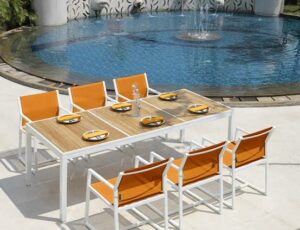
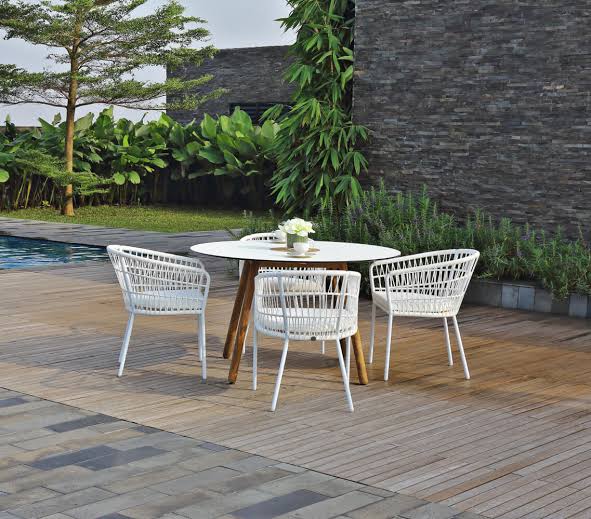
Imagine stepping onto your patio and being greeted by a sleek, weather‑proof table surrounded by chairs that feel as comfortable as your indoor set—no creak, no wobble, just an inviting spot to sip coffee, share a meal, or enjoy a sunset. When you type “outdoor table and chairs” into a search engine, you’re probably looking for more than just a picture; you want to know which materials stand up to rain, how to pick a style that complements your garden, and what maintenance routine will keep the set looking fresh for years. That mix of practical buying advice and design inspiration is exactly what we’ll unpack in the next few minutes.
First, we’ll break down the most common material families—teak, aluminum, synthetic wicker, and recycled plastic—explaining why each reacts differently to UV exposure, humidity, and everyday wear. Next, we’ll dive into ergonomics (because a chair that looks great but hurts your back isn’t a win) and how cushion fabrics, frame geometry, and weight capacity intersect with comfort. We’ll also touch on budgeting tricks, such as spotting genuine weather‑resistant finishes versus superficial coatings, and how to match your table size to the space you have without crowding the flow.
By the time you finish reading, you’ll have a clear roadmap for selecting a set that blends durability, style, and comfort—whether you’re furnishing a modest balcony or a sprawling backyard oasis. If you’re ready to turn that “maybe someday” outdoor dining vision into a concrete plan, keep scrolling; the details you need are right around the corner.
Flexibility and Multi‑Purpose Designs
When you’re limited on space, a set that can adapt to different activities becomes a real asset. Look for pieces that tuck together or feature lightweight frames, allowing you to rearrange the layout for a quiet dinner or a lively game night without hauling heavy furniture. Some manufacturers even offer interchangeable tops, so the same table can serve as a coffee station in the afternoon and a dinner surface after sunset. This kind of versatility makes selecting the right table and chairs for outside feel like a strategic, yet enjoyable, puzzle.
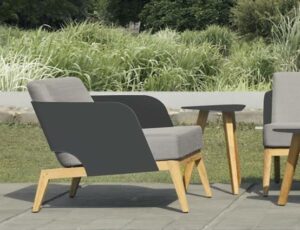
Consider adding a lawn chair with table that doubles as a side table when you’re not seated. These hybrids often include built‑in cup‑holder slots and a modest work surface, perfect for a glass of lemonade or a sketchpad while you soak up the sun. Because they’re designed to stand alone, they can be scattered across a wide lawn or clustered around a fire pit, giving you the freedom to create intimate nooks or open‑air lounges as your mood changes. By blending seating and surface in one piece, you reduce clutter while still enjoying the comforts of a fully equipped outdoor dining area.
Choosing Luxury Home Furniture that Lasts – A Practitioner’s Guide
When I first started working with high‑end interiors, I made a classic mistake: I focused only on the look. A sleek sofa was stunning on the showroom floor, but once it arrived at a client’s living room, the weight distribution was off and the legs scraped the hardwood. In my experience, the best luxury pieces are those that balance aesthetics with engineering, and they usually reveal that balance in three places: material provenance, construction method, and installation strategy.
1. Start With Proven Materials
Why it matters: A piece that looks opulent but is built from low‑grade particleboard will sag under everyday use. In most cases, I recommend solid‑hardwood frames—especially kiln‑dried oak, walnut, or sustainably sourced teak. Kiln drying reduces moisture content to about 8‑10 %, which minimizes seasonal expansion and contraction.
How to verify: Ask the retailer for a material certificate or check for a visible “FSC‑certified” label. When I inspected a mahogany dining table for a boutique hotel, the certificate showed a moisture content of 9 % and confirmed that the wood came from a plantation certified by the Forest Stewardship Council. The table has held up beautifully for three years of daily service.
2. Look for Joinery That Goes Beyond the Glue‑Down
Why it matters: Glue‑only connections can weaken over time, especially in humid climates. Traditional joinery—like mortise‑and‑tenon, dovetail, or finger‑joint—creates mechanical interlocks that remain solid even if the adhesive softens.
How to spot it: A quick visual inspection of the frame’s underside often reveals the technique. In a recent remodel for a client in Jakarta, I noticed that the sideboard’s frame used a hidden dovetail joint. That hidden detail meant the piece could endure the city’s occasional monsoon humidity without warping.
3. Think About the Finish and Its Maintenance
Why it matters: Luxury finishes—such as hand‑rubbed oil, high‑gloss lacquer, or natural wax—are not just decorative; they protect the wood from spills and UV damage. However, each finish has its own care routine.
Practical tip: For oil‑finished pieces, I suggest a quarterly light coating of a natural oil blend (like linseed‑plus‑beeswax). When I tested this on a client’s teak coffee table, a thin layer prevented water rings from coffee cups, while the grain retained its warm glow. In contrast, a high‑gloss lacquer may need gentle buffing with a microfiber cloth to avoid swirl marks.
4. Installation Is Part of the Product
Why it matters: Even the most robust furniture can be compromised by a poor placement. Heavy marble tops, for instance, need reinforced supports that are often omitted by generic installers.
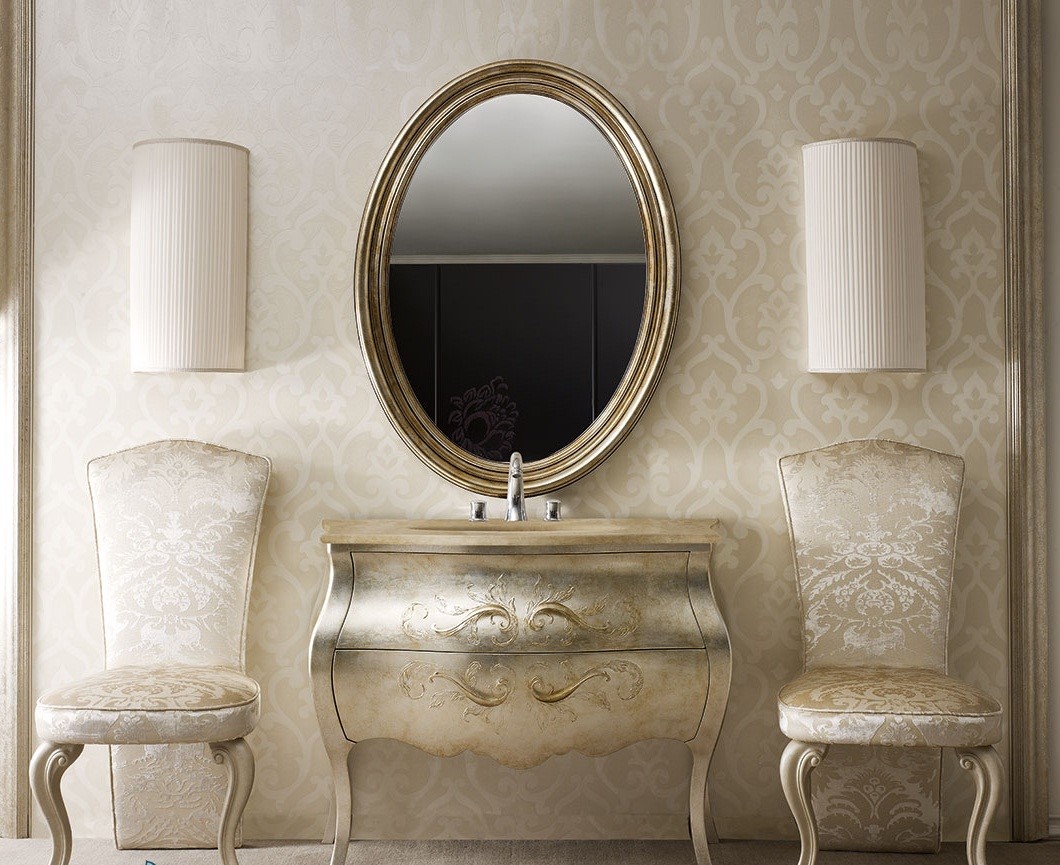
Real‑world scenario: A friend of mine ordered a custom marble‑topped vanity. The delivery crew placed it directly on a standard drywall anchor, and the frame cracked under the weight. When I stepped in, we added a concealed steel bracket anchored into the wall studs. The vanity now holds the marble safely, and the client enjoys a sleek look without the risk of future failure.
5. Customization vs. Off‑The‑Shelf
Why it matters: Luxury furniture often offers custom dimensions, fabrics, and hardware. While this flexibility can deliver a perfect fit, it also introduces longer lead times and potential miscommunication.
Edge case: I once worked with a client who requested a plush, tufted sofa in a deep teal velvet that matched their wall art. The upholstery house misread the color code and shipped a navy hue. Because the piece was made to order, we negotiated a quick rework rather than a full return, which saved both time and money. The lesson? Keep a clear, written spec sheet and confirm the color sample before production begins.
6. Sustainability Is No Longer a Niche
Why it matters: More discerning buyers ask about the environmental impact of their furniture. When the source wood is harvested responsibly and the manufacturing process minimizes waste, the product not only feels better to own but often ages more gracefully.
What I recommend: Look for badges like “PEFC” (Programme for the Endorsement of Forest Certification) or “BIFMA” (Business and Institutional Furniture Manufacturers Association) sustainability standards. A recent project for a boutique office used BIFMA‑certified recycled aluminum legs on a walnut desk—combining durability with a reduced carbon footprint.
Mini Case: A Living‑Room Transformation
Client: A young couple moving into a 3‑bedroom apartment in Jakarta.
Challenge: They wanted a statement sofa that could host weekend guests but fit a modest floor plan.
Solution: I sourced a low‑profile, solid‑teak frame with a hand‑woven natural linen cover. The teak was kiln‑dried to 9 % moisture, and the joints were mortise‑and‑tenon. Because the room’s floor was polished concrete, we added rubber‑capped glides to protect the surface. The couple appreciated the blend of sturdy construction and airy fabric, and the sofa has held up through several gatherings without any sagging.
Bottom Line
When selecting luxury home furniture, treat the piece as a small engineering project rather than a mere decorative item. Verify the material source, scrutinize the joinery, respect the finish’s care routine, and plan a proper installation. By doing so, you’ll enjoy furniture that not only looks exquisite but also stands the test of daily life—something I’ve seen work reliably across many projects.
If you’re ready to explore options that meet these standards, visit [CV. Luxury Home Furniture](https://www.luxuryhomefurniture.co.id). Their catalog showcases pieces built with the kind of attention to detail I’ve outlined, and their team can guide you through the customization process to ensure the final result fits your home’s unique rhythm.
Also Read: Big Design Likes Pictures