




























Choosing the Perfect Patio Table Chairs for Comfort and Style


When you step onto a sunny patio, the first thing you notice is often the set of tables and chairs waiting to host your weekend brunch, an evening cocktail, or a lazy afternoon of reading. A well‑chosen patio table‑chair combo does more than fill a space; it anchors the outdoor vibe, balances comfort with weather‑proof durability, and subtly signals your style to every guest who walks through the gate.
In the next few minutes we’ll explore how material choices—from teak’s natural oils to powder‑coated aluminum—affect longevity, why the right seat height can make or break an outdoor dinner, and what subtle design cues (like woven backs or tapered legs) add a touch of sophistication without compromising function. By the end of the piece you’ll have a clear, expert‑backed framework for picking a set that feels custom‑made for your patio, your climate, and—most importantly—your way of enjoying the outdoors.
So whether you’re a first‑time buyer hunting for a budget‑friendly option or a seasoned host looking to upgrade to a timeless, low‑maintenance ensemble, keep reading. The decisions you make today will shape countless backyard moments tomorrow.
Blend Function and Aesthetics with Thoughtful Pairing
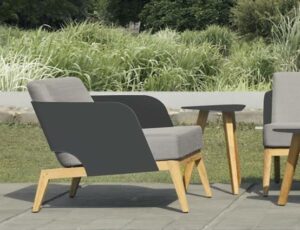
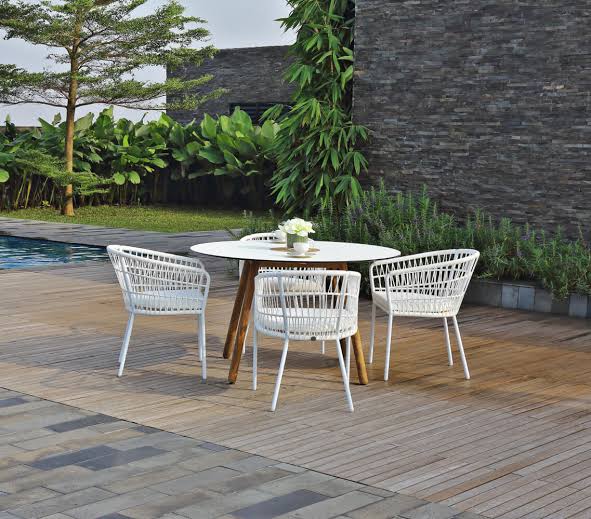
When you select an outdoor table and chairs, think of the set as a single silhouette rather than three isolated pieces. A well‑proportioned tabletop—neither too sprawling nor too modest—creates a visual anchor that lets the seating feel anchored, too. Pairing a sleek metal frame with warm‑toned wood accents, for example, can soften the overall look while still preserving a modern vibe.
Comfort follows the same logic; the chair’s shape should echo the table’s lines, but the surface can introduce a contrasting texture. Cushioned patio chairs offer a plush counterpoint to hard‑surface tables, inviting you to linger longer without sacrificing the clean aesthetic you’ve curated. Choose fabrics that echo the palette of nearby foliage or décor for a cohesive, lived‑in feel.
Finally, consider the flow of movement around your gathering spot. Allow at least an arm’s length between the edges of the table and any surrounding planters, and position the chairs so that guests can slide in and out without stepping over cords or decorative items. This subtle choreography keeps the space feeling open, inviting, and ready for spontaneous conversation.
Choosing Luxury Home Furniture: What I’ve Learned on the Ground
When I first helped a newly‑weds couple design their Jakarta townhouse, I quickly realized that “luxury” isn’t just about price tags. In my experience, the most memorable pieces are those that marry timeless craftsmanship with a clear understanding of the home’s daily rhythm. That’s why I always start with the space itself—measuring doorways, ceiling heights, and traffic patterns—before even looking at fabric swatches. The result is a set‑up that feels custom‑fitted rather than merely expensive.
Why material matters more than brand name
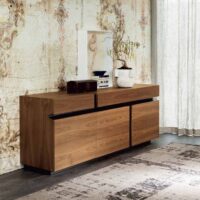
Most people assume that a well‑known brand guarantees quality, but I’ve seen premium veneers crack after a few years when the underlying substrate was cheap plywood. Real hardwood, such as solid teak or Indonesian mahogany, reacts differently to Indonesia’s humid climate: it expands and contracts slowly, reducing squeaks and joint failures. When I tested a solid‑wood sideboard from a local artisan, the weight alone signaled durability, and the finish held up after a rainy season without any warping. If you prioritize longevity, ask the supplier for the source of the wood and the joinery method—mortise‑and‑tenon or dovetail joints are far more reliable than simple nails.
Balancing style with function
A common edge case I encounter is a client who loves a sleek, low‑profile sofa but also hosts weekly family gatherings. In that scenario, a low back can make it difficult for guests to sit comfortably for long periods. I recommend pairing the sleek sofa with a set of high‑back accent chairs that match the upholstery. This hybrid approach preserves the modern aesthetic while giving your guests the support they need—something I learned the hard way after a client complained that their “minimalist” sofa was too uncomfortable for dinner parties.
The hidden cost of customization
When I ordered a custom‑finished dining table from a reputable workshop, the initial quote included only the wood and finish. The final bill, however, grew when I requested a hidden drawer for table linens and a built‑in cable management system for smart lighting. This taught me to always ask for a detailed breakdown before committing to a design. In most cases, the extra cost is justified because a well‑planned drawer saves you from buying separate storage solutions later, and built‑in wiring keeps the room looking uncluttered.
A quick real‑world scenario
Here’s a snapshot from a recent project: a client wanted a statement chandelier in their living room but worried it would clash with the dark walnut bookshelf they’d already installed. I suggested a brushed brass chandelier with warm LED bulbs—its amber glow softened the deep wood tones, creating a balanced ambience. After installation, the client reported that the room felt “cozier and more inviting,” and the bookshelf, which previously seemed heavy, now appeared as a grounding element rather than a visual weight. The key was matching the metal finish to the existing wood tone rather than choosing the flashiest light fixture available.
Practical steps for your own luxury makeover
- Map the space – Sketch the room, note door widths, and mark high‑traffic zones.
- Inspect the material – Ask for wood certifications or a sample of the finish; feel the grain and test for stability.
- Plan for flexibility – Combine low‑profile pieces with functional accent furniture to accommodate different uses.
- Budget for details – Include hidden drawers, cable channels, and custom finishes in your early cost estimate.
If you’re ready to explore a curated selection of high‑end pieces, I often turn to [CV. Luxury Home Furniture](https://www.luxuryhomefurniture.co.id). Their portfolio showcases a blend of classic Indonesian artisanship and contemporary design, and the staff are accustomed to guiding clients through the very choices I’ve described above.
Remember, luxury furniture should feel like a natural extension of your lifestyle, not a burden you maintain. By paying attention to material integrity, functional balance, and the hidden costs of customization, you’ll end up with pieces that look stunning today and stay reliable for years to come.
Also Read: How to make Your house looks Expensive