





Outdoor Folding Chairs Guide For Comfort Durability And Style

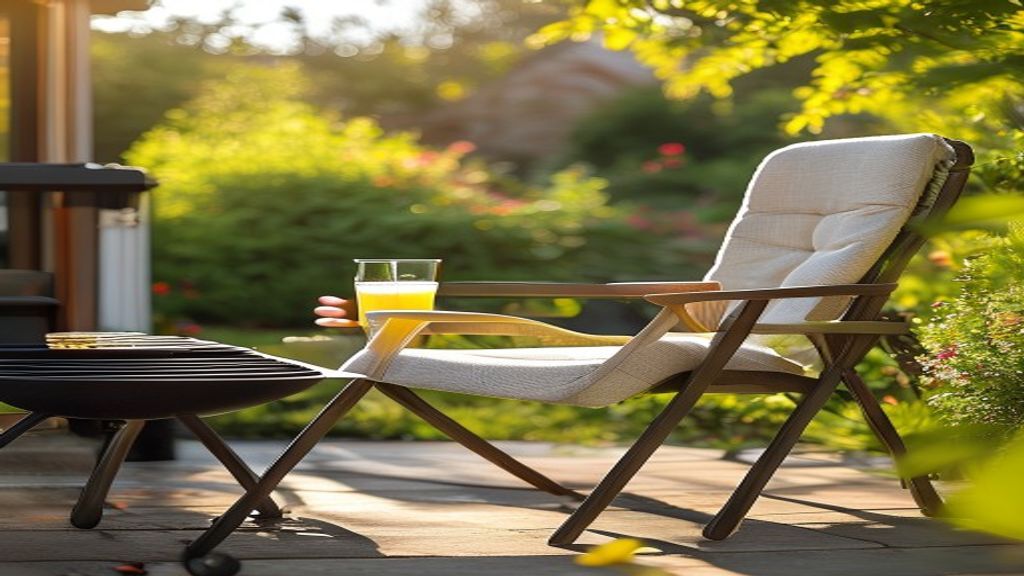
When the sun is high and the grill is humming, the last thing you want to fuss over cramped, squeaky seating. That’s where a good outdoor folding chair steps in – a lightweight, weather‑ready companion that folds flat for easy storage and pops open to give you a comfortable perch in seconds. Whether you’re hosting a backyard birthday, setting up a campsite, or just enjoying a lazy afternoon on the patio, the right chair can turn a hard‑won spot into a relaxed oasis.
In the next few minutes we’ll walk through exactly what makes a folding chair “outdoor‑ready,” from frame materials that shrug off rain to seat fabrics that breathe in the heat. You’ll learn how to match a chair’s weight capacity and portability to your specific needs, and why small details like a built‑in cup holder or a non‑slip footpad can make a surprisingly big difference. By the end, you’ll have a clear checklist to help you pick a chair that not only fits your space but also stands up to the elements – so you can spend less time worrying about furniture and more time soaking up the sunshine.
Material Matters: What Your Outdoor Chair Is Made Of
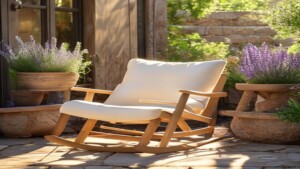
When you’re scouting for lounge chairs for outside, the frame material often decides how the chair will hold up to sun, rain, and the occasional gust of wind. Aluminum alloys, for example, stay lightweight while resisting rust—a combination that many campers and backyard hosts swear by after a season of heavy use. If you prefer a more classic silhouette, powder‑coated steel delivers industrial strength and can be painted to match your garden décor, though it does add a few extra pounds to the load‑in. Ultimately, the right material balances the need for sturdiness with the convenience of transport, so you’ll know exactly when it’s time to pack up and move.
Synthetic fabrics such as solution‑dyed polyester or UV‑treated acrylic are the usual suspects in the upholstery game because they won’t fade or mildew after days of exposure. These fibers breathe, which keeps you from feeling sweaty on a hot afternoon, and they dry quickly if a sudden drizzle catches you off guard. Some manufacturers even weave a thin, breathable mesh into the seat to enhance airflow—a subtle but noticeable upgrade that many folding yard chairs overlook. Choosing a chair with a breathable, weather‑resistant cover means fewer clean‑up sessions and more time enjoying the outdoors.
Lastly, consider the seat padding and its cover when you compare options. A thin foam layer can add a surprising amount of comfort without bulking up the chair’s profile, while a removable, machine‑washable slipcover extends the chair’s lifespan. If you plan to alternate between beach trips and backyard barbecues, look for a design where the padding can be swapped out or the cover swapped for a quick freshen‑up. This flexibility turns a simple folding chair into a versatile companion for every outdoor adventure.
Choosing Luxury Home Furniture: A Practitioner’s Roadmap
When I first began consulting for high‑end residential projects, the biggest misstep I made was treating “luxury” as a price tag rather than a holistic experience. Over the years I’ve learned that the true value of luxury furniture lies in its ability to blend timeless design, superior craftsmanship, and personal relevance. Below is the step‑by‑step thinking I use when helping clients—whether they’re outfitting a Jakarta penthouse or a Bali beachfront villa—so the pieces they bring home feel both exclusive and perfectly lived‑in.
1. Define the Narrative Before the Piece
Every luxury item should serve a story. In my experience, a sofa isn’t just a seat; it’s the anchor of a living‑room narrative. I ask my clients: What mood do you want to cultivate? A calm, minimalist aesthetic calls for clean‑line Italian leather, while a regal, opulent vibe benefits from richly carved mahogany with gilt accents. By locking the narrative first, you avoid the temptation to buy a stunning item that simply doesn’t belong in the room’s script.
2. Prioritise Material Authenticity
High‑end furniture’s credibility rests on the source of its raw materials. When I visited a workshop in Nusa Tenggara that specialises in sustainably harvested teak, I could feel the difference in grain density compared to a mass‑produced veneer. Practitioners typically verify:
- Wood: Look for FSC‑certified hardwoods; a genuine teak will age to a warm patina rather than turning gray quickly.
- Upholstery: Natural fibres such as silk, cashmere, or full‑grain leather not only age gracefully but also breathe, reducing static buildup.
- Metal: Hand‑finished brass or brushed stainless steel should exhibit a consistent sheen without visible weld seams.
These tactile checks matter far more than any glossy brochure.
3. Assess Craftsmanship Through Detail
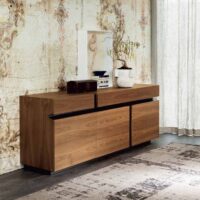
A luxury piece earns its price in the invisible labor. When I inspected a hand‑carved Italian credenza, the joint seams were dovetailed—not glued—allowing the frame to flex slightly with temperature changes. The stitching on a custom velvet armchair was done with a one‑needle lockstitch, a technique rarely used in factories because it slows production. In practice, look for:
- Seamless joins (dovetail, mortise‑and‑tenon)
- Hand‑finished edges rather than machine‑cut
- Consistent grain flow across panels
If these details feel deliberate, you’re likely looking at authentic craftsmanship.
4. Balance Customisation with Timelessness
One edge case I often encounter is a client who wants an avant‑garde silhouette but worries about future trends. My solution: combine a bold, custom‑designed element—like a sculptural coffee table—with classic, proven pieces such as a Chesterfield sofa. This hybrid approach ensures the room stays stylish even if the trend fades. It also gives you the flexibility to replace the statement piece later without a full redesign.
5. Test Longevity in Real‑World Conditions
Luxury furniture should tolerate everyday life, not just photo shoots. A friend of mine, a boutique hotel owner, invited me to stay overnight in a suite furnished with a newly delivered satin‑covered chaise. By the morning, the fabric showed no creasing or colour bleed after a night of soft lighting and moderate humidity—an indicator of high‑grade finishing. When evaluating a piece, simulate typical usage: sit, lay a blanket, or place a tray of drinks on it. If it holds up, chances are it will survive years of daily wear.
Mini Case: From Blank Canvas to Signature Living Room
Scenario: A Jakarta client, Maya, wanted a living room that felt both modern and rooted in Indonesian heritage. She approached my consultancy after an initial visit to CV. Luxury Home Furniture where she fell in love with a teak coffee table featuring Javanese latticework.
Process:
- Narrative: We agreed on a “contemporary island” theme—clean lines softened by organic textures.
- Material Check: The teak was verified as sustainably sourced, and the finish was a natural oil that would deepen over time.
- Craftsmanship: I inspected the table’s dovetail joints; the latticework was hand‑carved, confirming artisanal work.
- Custom Blend: We paired the table with a modular sofa in muted charcoal linen—imported from Italy—allowing the teak to remain the focal point without clashing.
- Longevity Test: A weekend visit simulated everyday use; the table resisted minor scratches, confirming its durability.
Result: The final room felt cohesive, with the teak piece anchoring the space while the sofa added a sleek contrast. Maya reports that guests often ask about the table’s story, turning the furniture into a conversation starter rather than just décor.
6. Work With Reputable Suppliers
If you’re sourcing locally, look for firms that provide transparent production timelines, material certificates, and after‑sales care. CV. Luxury Home Furniture—for example—offers on‑site consultations and a warranty that covers structural integrity for up to five years. Engaging a supplier that stands behind its work reduces the risk of hidden defects and gives you a reliable partner for future additions.
7. Factor in Delivery & Installation
Even the finest piece can lose its appeal if mishandled during shipping. In my practice, I always arrange a white‑glove delivery that includes:
- Climate‑controlled transport (essential for sensitive wood and leather)
- Professional assembly by craftsmen familiar with the product’s construction
- A post‑installation walkthrough to verify alignment and finish
These steps are often overlooked but are crucial for preserving that luxury feel.
Closing Thought
Choosing luxury home furniture isn’t about splurging on the most eye‑catching item; it’s about curating a lasting experience that mirrors your personal story. By grounding each decision in narrative, material authenticity, craftsmanship detail, and practical testing, you transform a house into a home that feels both exclusive and comfortably lived‑in. When you next step into a showroom—whether it’s a flagship store or a boutique studio—let these six lenses guide you, and you’ll walk away with pieces that truly earn their place.
Also Read: Outdoor Restaurant Seating Ideas to Boost Comfort and Curb Appeal