





























Discover the Best Cushioned Outdoor Chairs for Comfort and Style

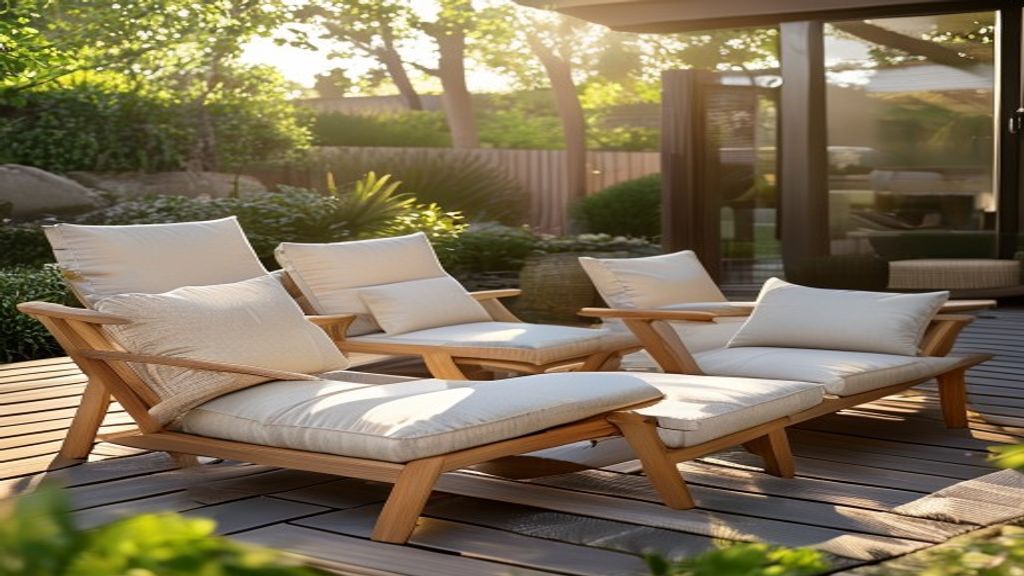
When you step onto a patio or backyard oasis, the first thing you notice isn’t the view—it’s how the seat feels under you. A well‑cushioned outdoor chair can turn a simple garden gathering into a lounge‑worthy experience, offering the kind of plush support that indoor furniture can’t match without sacrificing durability. Practitioners who specialize in outdoor living spaces recommend looking beyond the “soft” label; the real secret lies in the blend of weather‑resistant foam, UV‑stable fabrics, and a frame that can survive rain, sun, and occasional wind gusts.
In this guide we’ll unpack exactly what makes a cushioned chair both comfortable and long‑lasting. You’ll learn how to read the subtle cues that indicate quality—like the density of the foam, the stitching pattern of the cover, and the rust‑proof treatment of the legs—while also discovering practical maintenance tricks that keep your seating looking fresh season after season. By the end, you’ll be equipped to pick a chair that feels custom‑made for your space, whether you’re furnishing a compact balcony or a sprawling deck. Keep reading, and let’s make every outdoor moment a little more inviting.
Pairing Cushioned Chairs with Your Existing Patio Ensemble
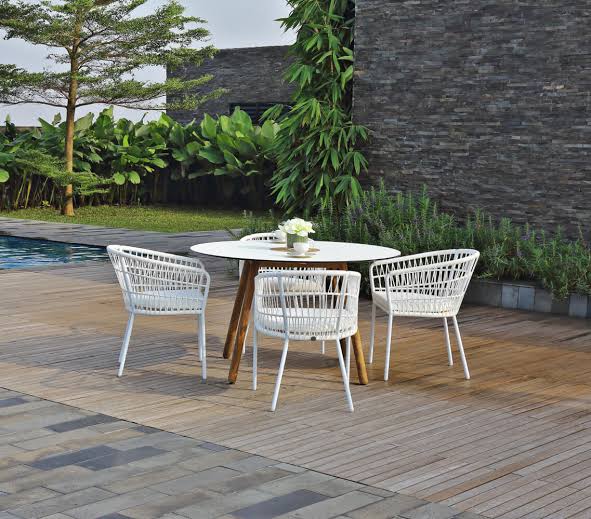
When your backyard already sports a costco patio set, adding a few plush chairs can instantly elevate comfort without overhauling the whole layout. Choose cushions that echo the set’s color palette—soft neutrals or muted blues blend seamlessly, while a pop of mustard or sage introduces subtle intrigue. Because many patio tables are designed for modularity, you can rearrange the patio table chairs to create intimate conversation circles or spacious lounging zones, depending on the weather and the crowd.
Beyond aesthetics, think about the practical match‑up: a sturdy aluminum table paired with high‑density foam seats resists wobble and retains shape through summer sunshine. If the table’s legs are slightly elevated, opt for chairs with a lower seat height to keep the visual line smooth and the feet comfortably on the ground. This balance of form and function ensures that each seating element supports the other, turning a simple backyard into a cohesive, inviting retreat.
Lastly, consider upkeep. Many outdoor cushions now feature removable, UV‑resistant covers that slide off for quick cleaning—ideal when you’re rotating patio table chairs for a fresh look each season. Pairing these low‑maintenance seats with a durable table means you’ll spend more time enjoying the outdoors and less time worrying about wear. The result? A stylish, comfortable patio that feels custom‑designed, even though you’ve simply added a few well‑chosen pieces.
How I Choose Luxury Furniture That Actually Works for My Clients
When I first started staging homes for high‑end buyers, I learned quickly that “luxury” isn’t just a price tag—it’s a balance of material integrity, timeless design, and how the piece lives in a specific space. In my experience, the most satisfying projects are the ones where I can explain why a certain sofa, table, or lighting fixture makes sense, not just point to its brand name. Below is the step‑by‑step framework I use whenever I help a client—whether they’re furnishing a 3,000‑sq‑ft villa or a modest city condo—so you can apply the same logic to your own home.
1. Start with the material story, not just the look
I always begin by asking, “What does this wood, fabric, or metal actually do over ten years?” For example, solid teak has natural oils that resist moisture, which is why I recommend it for homes near the coast. In contrast, a glossy lacquered MDF table can look stunning, but in humid climates it may swell or warp after a few seasons. Understanding the material’s lifespan helps you avoid the classic mistake of chasing a trend that fades faster than the price you paid.
2. Match design language to the architecture
Luxury pieces should echo the architectural cues of the room. When I worked on a modernist loft with floor‑to‑ceiling windows, I chose low‑profile, cantilevered sideboards made of smoked walnut. Their clean lines complemented the structural steel without competing for visual attention. On a historic colonial home, I leaned toward hand‑carved mahogany with subtle brass accents—those details reinforce the period feel and make the new furniture feel like an heirloom.
3. Prioritize functionality before form
A gorgeous chaise lounge might be the centerpiece of a living room, but if it blocks traffic flow or feels too low for the rest of the seating, daily life suffers. I always walk the space with the furniture placed, checking sightlines and clearances. In one project, a client loved a massive marble coffee table; after we measured the doorway, we realized it could barely fit through the front entry. We solved it by selecting a split‑top version that could be assembled on site—maintaining the luxurious look while keeping the move practical.
4. Consider maintenance and lifestyle
Luxury fabrics like silk or velvet look sumptuous, yet they demand delicate care. For families with children, I often suggest a performance‑woven linen that resists stains but still drapes elegantly. In my experience, owners appreciate a slightly more robust fabric because it saves them from costly dry‑cleaning trips. The trade‑off is a subtle shift in sheen, but the peace of mind usually outweighs the visual compromise.
5. Evaluate custom versus off‑the‑shelf
Custom pieces, like a hand‑crafted dining set from CV. Luxury Home Furniture, let you dictate dimensions, finishes, and hardware. This is ideal when ceilings are unusually high or when you need a table to fit a niche wall. However, bespoke work often requires longer lead times and a higher budget. For many clients, a semi‑custom line—where I can choose from a curated palette of finishes—offers the sweet spot: uniqueness without the full bespoke cost.
6. Test the comfort and ergonomics
Even the most visually striking chair fails if it’s uncomfortable after an hour. When I’m evaluating a leather armchair, I sit for at least ten minutes, adjusting my posture to see how the backrest supports the lumbar spine. I also check the seat depth against my own leg length; a seat that’s too deep forces you to sit forward, pulling the hips off the back. This hands‑on test uncovers hidden issues that product photos simply can’t reveal.
7. Look for lasting resale value
Luxury furniture can be an investment. Pieces from well‑known artisans or brands with a track record—think a limited‑edition teak sideboard by a recognized Indonesian woodcarver—tend to retain value better than a one‑off trend. In my experience, clients who plan to move within five to ten years benefit from selecting items that are both aesthetically timeless and recognizably high quality.
Mini Case: The Beachfront Retreat
A client, Maya, approached me to redesign her beachfront villa in Bali. She wanted a lounge area that felt resort‑luxury but could survive salty breezes. I started by inspecting the existing slab, which was a cracked concrete floor. I recommended a teak deck board system, because teak’s natural oils repel moisture and its patina blends beautifully with the sea‑side vibe. For seating, we chose a custom‑woven slip‑resistant fabric on a low‑profile sectional, allowing easy movement on sand‑tracked floors. The final touch was a set of brass‑finished side tables, hand‑carved with a subtle wave motif—an edge case where the decorative detail echoed the location without overwhelming the simple, breezy aesthetic. After installation, Maya reported that the furniture held up through two monsoon seasons with merely a light oiling, confirming the material’s durability.
TL;DR: My practical checklist
- Materials: teak for humidity, performance linen for families.
- Design fit: echo architectural lines; avoid clashing styles.
- Function: verify clearances, traffic flow, and entry dimensions.
- Maintenance: choose fabrics that match daily life.
- Custom vs. off‑the‑shelf: weigh lead time and budget.
- Comfort test: sit, lean, and move—don’t trust photos alone.
- Resale: prioritize recognized artisans for long‑term value.
By applying these steps, you’ll move from “I just love the look” to “I understand why this piece belongs here.” If you’re ready to explore bespoke options that blend durability with upscale design, feel free to visit [CV. Luxury Home Furniture](https://www.luxuryhomefurniture.co.id) for a portfolio of handcrafted pieces that have stood the test of both style and season.
Also Read: Outdoor Patio Rocking Chairs A Guide to Comfort and Style