


























Outdoor Patio Rocking Chairs A Guide to Comfort and Style

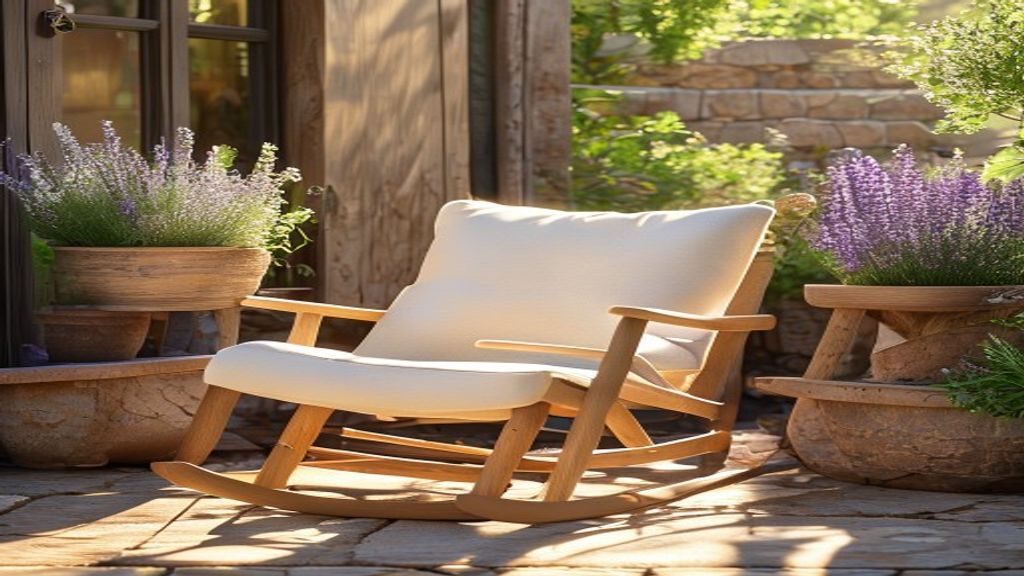
When you step onto a patio after a long day, the first thing you want is a spot that invites you to unwind—and nothing does that quite like a good rocking chair. Outdoor patio rocking chairs blend timeless motion with modern materials, delivering the gentle sway of a porch swing while fitting snugly into compact garden corners, pool decks, or balcony nooks. Because they’re built to brave sun, rain, and occasional wind, today’s models range from weather‑treated teak and powder‑coated aluminum to recycled resin that mimics wood without the upkeep.
In the next few minutes we’ll explore why those design choices matter, how to match a rocker to your décor without sacrificing durability, and what seasoned landscapers recommend for keeping the seat looking fresh year after year. If you’re hoping to turn a simple patio into a personal retreat, stick around—the right rocking chair can be the centerpiece you didn’t know you were missing.
Blending Rocking Chairs with Other Outdoor Seating
When your patio hosts more than a couple of friends, the single‑seat sway of a rocking chair can feel a bit lonely. Adding folding chairs for outside creates instant flexibility without sacrificing the relaxed vibe that a rocker brings. Because they collapse flat, these chairs slip under a side table or into a storage bench when the evening winds down. The result is a seamless transition from intimate conversation to a lively gathering.
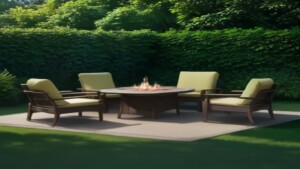
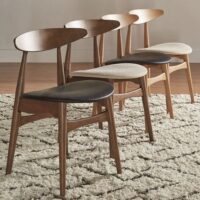
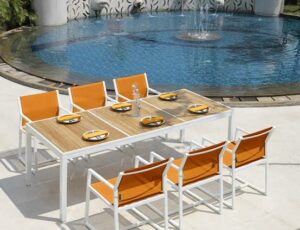
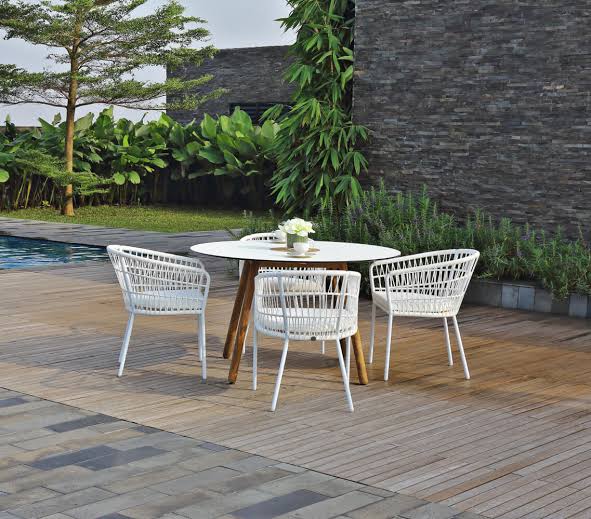
If you enjoy meals al fresco, pairing a rocker with patio table chairs can elevate both comfort and aesthetic cohesion. Choose chairs that echo the wood grain or metal finish of your rocker to keep the visual story consistent. A set of low‑profile chairs around a modest table lets guests tuck their elbows close, while the rocker remains the centerpiece for leisurely sipping. This arrangement balances practicality with the gentle rhythm of a swing.
Strategic placement also respects the natural flow of movement on your deck. Position the rocker near a shaded corner and line the folding chairs along the perimeter, where guests can easily slip in and out. By staggering the seats, you avoid a tunnel‑vision feel and give each person a clear line of sight to the garden or sunset. The choreography feels effortless, yet it subtly guides foot traffic and conversation.
Finally, think ahead to seasonal storage. Many manufacturers design folding chairs for outside with weather‑resistant powder coating, so they can stay tucked in a garage or shed through winter without rusting. Rockers, especially those built from teak or aluminum, benefit from a quick cover and a dry spot to prevent moisture buildup. With both pieces cared for, they’ll return each spring ready to rock, sit, and entertain in equal measure.
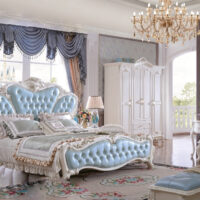
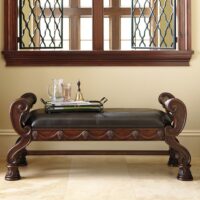
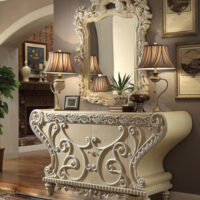
Choosing Luxury Home Furniture: A Practitioner’s Perspective
When I first started advising clients on high‑end interiors, I learned that “luxury” isn’t just about price tags—it’s about how a piece lives in a space. In my experience, the most successful selections balance three pillars: craftsmanship, context, and continuity. Below, I break down each pillar, explain the trade‑offs I’ve seen, and walk you through a realistic scenario that shows how the process unfolds in practice.
1. Craftsmanship Over Flash
The first thing I check is the construction method. Hand‑stitched upholstery, dovetail joints, and sustainably sourced hardwoods are hallmarks of genuine quality. A common mistake early in my career was to chase a brand name without verifying the underlying build; the result was a sofa that looked impressive but sagged after a year of use.
Why it matters: Solid joinery distributes stress evenly, reducing creak and wear. When a client asked for a marble‑topped coffee table, I recommended a base of reclaimed oak rather than a lightweight veneer. The oak’s weight anchors the marble, preventing tipping—a subtle detail that can spare a homeowner from costly accidents.
Edge case: If the room has a high humidity level (think coastal homes), even the best walnut can warp. In such cases, I often suggest teak or engineered wood with moisture‑resistant laminates, which retain the luxe aesthetic while tolerating the climate.
2. Context: Scale, Light, and Lifestyle
Luxury furniture must feel right in its environment. I always begin with a room audit: measure the floor, note the window orientation, and observe daily traffic patterns. A client once brought a grand, French‑style armchair into a narrow hallway. It looked stunning on the showroom floor, but in the hallway it blocked the flow and made the space feel cramped.
How to decide: Use a 2‑meter measuring tape and sketch the layout on graph paper (or a digital tool like SketchUp). Place a cardboard cutout of the furniture’s footprint in the room to gauge clearance. If you have a large, open plan but a low ceiling, a low‑profile sectional with high‑gloss finish can keep the vertical space feeling airy, whereas a towering bookshelf would dominate the room.
Trade‑off: A larger piece can become a focal point, but it may also limit future flexibility. I advise clients to keep at least 12 inches of walking space around each major item—this rule of thumb works well for most households and allows for easy rearrangement.
3. Continuity: From Design to Daily Use
Luxury is also about lasting appeal. I ask myself: “Will this piece still feel fresh after five years?” In my practice, the answer hinges on timeless design language and adaptable finishes. For instance, a set of walnut dining chairs with subtle brass caps can transition from a formal dinner to a casual brunch without looking out of place.
Practical tip: Choose removable, washable fabrics for upholstered items. Many high‑end brands now offer performance textiles (e.g., Sunbrella) that resist stains and UV fading. During a recent project, I swapped a silk cushion cover for a performance fabric after the client’s dog knocked over a bowl of water. The replacement maintained the luxurious look while preventing permanent damage.
Edge case: For homes with children, a sleek marble dining table may be gorgeous, but it’s prone to chipping. I often suggest a quartz composite that mimics marble’s elegance but offers higher impact resistance—ideal for families who still demand a sophisticated aesthetic.
Mini‑Case: The “Living‑Room Refresh”
Client: A young couple moving into a 3‑bedroom condo with an open‑plan living area.
Goal: Introduce a statement sofa set without overwhelming the space or compromising comfort.
Process:
- Measurement – I measured the sofa wall (3.2 m) and the clearance to the adjacent kitchen island (1.5 m).
- Scale test – Using a cardboard template of the candidate sofa (2.8 m wide, 1.0 m deep), we placed it on the floor. The template left a comfortable 0.5 m walkway on each side.
- Material check – The couple loved a velvet finish, but the condo’s large windows let in strong afternoon sun. I recommended a performance velvet treated for UV resistance, which retains the plush feel while preventing fading.
- Final pick – We chose a modular sofa with a low back and hidden storage. The modularity allowed the couple to reconfigure for movie nights, and the hidden compartments solved the problem of limited storage in the living area.
Outcome: After three months, the couple told me the sofa “feels like it was made for our lifestyle,” and they haven’t needed any adjustments. The case illustrates how precise measurement, material awareness, and flexibility combine to deliver a luxury experience that actually works.
4. Final Checklist for Your Luxury Purchase
| Checklist Item | Why It Matters | Quick Action |
|—————-|—————-|————–|
| Verify joinery (dovetail, mortise‑and‑tenon) | Ensures durability | Ask the dealer for construction details |
| Confirm material provenance (e.g., FSC‑certified wood) | Aligns with sustainability goals | Request a material sheet |
| Test fabric durability (rub, spill) | Prevents premature wear | Bring a damp cloth to the showroom |
| Measure clearance (12‑inch rule) | Guarantees safe traffic flow | Sketch the room with furniture outlines |
| Consider climate impact (humidity, sun) | Avoids warping or fading | Choose moisture‑resistant finishes for coastal homes |
Closing Thought
Luxury furniture should feel like a partner, not a placeholder. By treating each piece as a blend of craft, context, and continuity, you’ll end up with a home that radiates elegance while standing up to everyday life. If you’re ready to explore options, I recommend visiting a reputable showroom—bring a tape measure, a note of your lifestyle needs, and an open mind. In my experience, the right conversation with a knowledgeable dealer can transform a simple purchase into a lasting investment.
Happy styling!
Also Read: How to make Your house looks Expensive