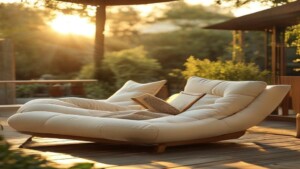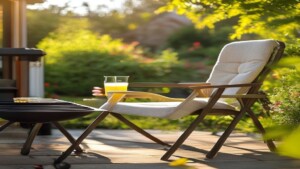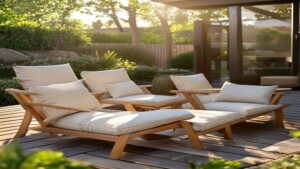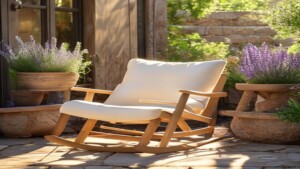






Discover Comfortable Outdoor Lounge Chairs for Every Backyard


Summer isn’t just a season—it’s the excuse we all need to spill a cold drink on a patio and sink into a chair that feels like a mini‑vacation. If you’ve typed “best outdoor lounge chairs” into Google, you’re probably hunting for a piece that balances comfort, durability, and style without draining your wallet. Practitioners who design for coastal resorts generally recommend focusing on three pillars: ergonomic support, weather‑resistant materials, and a design that complements the space you already love. That’s why the right lounge chair can turn a cramped balcony into a personal oasis.
Choosing wisely matters because a poorly built chair does more than sag; it can strain your back, fade under UV exposure, or wobble when the wind picks up. Think of a teak frame that ages to a graceful silver patina versus a cheap plastic shell that cracks after a single storm—real‑world experience shows the former pays dividends in both aesthetics and longevity. When you understand how a chair’s sling, lumbar curve, and finish interact with your body and the elements, the purchase becomes an investment rather than a gamble.
In the sections that follow, I’ll walk you through the top material families, the ergonomic cues that keep you relaxed for hours, and the subtle design tricks that blend seamlessly with modern outdoor décor. You’ll also find a quick‑reference guide that matches each chair type to common use cases—whether you’re sunbathing, reading, or hosting a sunset cocktail. Stay with me, and you’ll leave this page with a clear shortlist that fits your lifestyle, budget, and the ever‑changing weather.
4. Portable and Easy‑Store Choices
When space is at a premium, a collapsible chair outdoor can be a game‑changer. Modern frames use powder‑coated aluminum that folds in one smooth motion, so you can tuck the seat behind a garden shed or stow it in the trunk of your car. Because the mechanism is designed for frequent use, the chair retains its structural integrity even after months of weather exposure.
If you crave the plush feel of a sofa but still need versatility, look for cushioned outdoor chairs that feature removable, UV‑resistant pads. The cushions often have a high‑density foam core wrapped in quick‑dry fabric, delivering support without sagging over time. By swapping the covers with a fresh set, you can refresh the look of your patio while keeping the chair ready for spontaneous gatherings.
Pairing a collapsible frame with a cushioned seat creates a hybrid that balances storage convenience and lounge‑level comfort. This combo lets you pull the chair out for a sunny afternoon, then fold it away for a rainy evening without sacrificing the softness you enjoy. The result is a backyard setup that adapts to both weather and the rhythm of your social calendar.
Choosing Luxury Home Furniture That Truly Works for Your Space
When I first started consulting for high‑end interiors, I quickly learned that “luxury” isn’t just about price tags—it’s about how a piece behaves over years of daily life. In my experience, the most satisfying purchases are the ones that balance timeless design, material resilience, and the subtle quirks of the home they live in. Below, I’ll walk you through the mindset I use when advising clients, and share a real‑world scenario that illustrates why each step matters.
1. Start With the Room’s “Living‑Pattern”
Luxury furniture should adapt to the way you actually use the space, not just the way you imagine it.
- Why? A sleek marble coffee table looks stunning, but if you host weekly family gatherings, scratches and spills become inevitable.
- How? I ask clients to list their top three activities for the room—reading, entertaining, or working from home—then I match materials to those habits. For a reading nook, a plush, high‑density leather armchair can endure frequent repositioning without sagging, while a glass top would feel fragile.
Edge case: In humid coastal cities like Jakarta, solid wood can expand and contract dramatically. I often recommend engineered wood with a sealed veneer, which offers the look of solid timber but resists warping better than raw teak.
2. Material Matters Most (and Not Just for Looks)
Most people assume “luxury = exotic wood.” In practice, the choice of material determines durability, maintenance, and even indoor air quality.
- Solid hardwood (e.g., mahogany) ages beautifully, but it can be heavy and prone to scratches if you have pets.
- Engineered veneer blends stability with a premium finish; it’s lighter and reacts less to temperature swings.
- Premium upholstery fabrics such as performance‑woven wool or high‑grade leather protect against stains while retaining a tactile richness.
When I tested a high‑gloss lacquered walnut finish in a client’s sunroom, the surface faded after just a few months of direct afternoon light. Switching to a low‑sheen, UV‑protected finish solved the problem and saved the client from an early replacement.
3. Scale and Proportion: The Silent Game‑Changer
A massive, ornate sofa can dominate a small living room, making it feel cramped. Conversely, a modestly sized sectional in a large hall may look under‑scaled.
- Why it matters: Human perception is highly sensitive to proportion; an imbalance can cause visual tension that feels “off” even if the furniture is objectively high‑quality.
- How to assess: I measure the room’s length, width, and ceiling height, then map a “footprint grid” using 1/5 of the floor area as a guideline for the main seating piece.
Mini case: A client in a 30 m² apartment wanted a statement “designer” sofa. After placing a 3‑meter sectional on the floor plan, it swallowed 40 % of the usable space, leaving barely any room for circulation. We swapped it for a sleek, 2‑meter modular sofa with hidden storage; the room instantly felt airy, and the client still got the wow factor they craved.
4. Customization vs. Off‑The‑Shelf: Weighing the Trade‑Offs
Custom pieces promise a perfect fit, but they also come with longer lead times and higher price volatility.
- When to customize: If the room has irregular dimensions—say, a built‑in alcove or angled wall—tailored cabinetry or a made‑to‑measure sofa can turn an awkward niche into a focal point.
- When to stay standard: For more conventional layouts, a well‑chosen off‑the‑shelf model often delivers comparable quality with faster delivery and lower risk of mis‑fit.
I once ordered a bespoke walnut dining table for a client with a 90° corner bay. The table arrived later than expected, and the finish was slightly uneven, requiring an additional sanding step. In hindsight, a high‑grade, pre‑finished rectangular table with a custom extension would have saved both time and expense.
5. The “Living‑Room Test” Before Purchase
Even the most thorough research can’t replace a tactile test. I always encourage clients to sit, lean, and even stand on a piece (if appropriate) before committing.
- Why? The feel of a chair’s backrest, the swing of a coffee table’s legs, and the sound of a drawer gliding all reveal construction quality that photos can’t capture.
- How: In my showroom, we have a “quick‑check” checklist:
1. Stability: Give the piece a firm push; it should settle without wobble.
2. Comfort: Sit for at least two minutes—does the cushioning stay supportive?
3. Finish integrity: Lightly tap the surface; a solid wood piece sounds dense, while particleboard produces a hollow thud.
6. Maintenance: The Long‑Term Cost of Luxury
A gorgeous sofa can stay pristine for years with simple, consistent care.
- Leather: Wipe with a damp cloth weekly, then condition quarterly with a pH‑balanced leather cream.
- Fabric: Vacuum regularly and spot‑clean with a mild detergent; rotating cushions helps prevent uneven wear.
- Wood: Use coasters and pads to avoid water rings, and avoid direct sunlight to preserve color.
I learned this the hard way when a client placed a bright red silk armchair near a window. After a season, the fabric faded noticeably. Adding a sheer curtain reduced UV exposure, and a periodic professional cleaning restored the vibrancy.
7. Bringing It All Together: A Practical Checklist
| Step | What to Do | Why It Helps |
|——|————|————–|
| 1. Identify core activities | List top 3 room uses | Align material and design to real needs |
| 2. Analyze space | Measure dimensions, note architectural quirks | Prevent scale mismatches |
| 3. Choose material wisely | Match durability to climate & usage | Extend lifespan, lower maintenance |
| 4. Decide custom vs. standard | Weigh lead times, budget, fit | Avoid unnecessary cost overruns |
| 5. Test in person | Sit, push, listen | Verify construction quality |
| 6. Plan maintenance | Set cleaning schedule | Keep luxury look intact |
8. Final Thoughts
Luxury furniture isn’t just an aesthetic statement; it’s an investment in comfort, durability, and the personality of your home. By looking beyond the price tag and focusing on how each piece will live, breathe, and age in your specific environment, you’ll avoid costly regrets and enjoy a space that truly reflects your lifestyle.
If you’re ready to explore options that respect both design ambition and everyday practicality, feel free to visit [CV. Luxury Home Furniture](https://www.luxuryhomefurniture.co.id). Their catalog showcases many of the materials and custom solutions discussed here, and their team is accustomed to the kind of nuanced, hands‑on consultation I’ve described.
In my practice, the most rewarding projects are those where the client’s vision meets the reality of their home’s rhythm. Let that be your guide, and the luxury you choose will feel right—today and for many years to come.
Also Read: Transform Your Backyard With ikea outdoor seating Ideas