







Choosing the Perfect Outdoor Bar Stools for Your Patio


When you pull a chair out onto a patio, the moment you sit down says more about your space than the décor on the wall. A well‑chosen outdoor bar stool does three things at once: it holds up against sun, rain and wind; it invites guests to linger over a drink; and it ties the whole alfresco layout together. That’s why the right stool isn’t just a piece of furniture—it’s a tiny, portable piece of hospitality that can turn a casual cocktail hour into a memorable gathering.
Designers and seasoned patio‑owners alike point to three practical pillars when they recommend a stool: material that tolerates the elements, dimensions that suit both the bar height and the human body, and a style that feels intentional rather than an afterthought. For example, a powder‑coated aluminum frame will stay cool on a scorching July afternoon, while a teak seat ages into a mellow, honey‑toned patina that many homeowners cherish after years of use. Understanding these subtleties early on saves you from buying a seat that squeaks in the wind or looks out of place next to your garden table.
In the sections that follow we’ll walk through how to read the fine print on weather‑resistance ratings, match stool height to your countertop or bar, and pick finishes that complement everything from minimalist composite decks to rustic stone patios. If you’ve ever wondered whether a sleek metal stool or a hand‑woven rattan piece is the smarter investment, keep reading—your next outdoor gathering depends on the answer.
Mixing Bar Stools with Your Existing Outdoor Table and Chairs
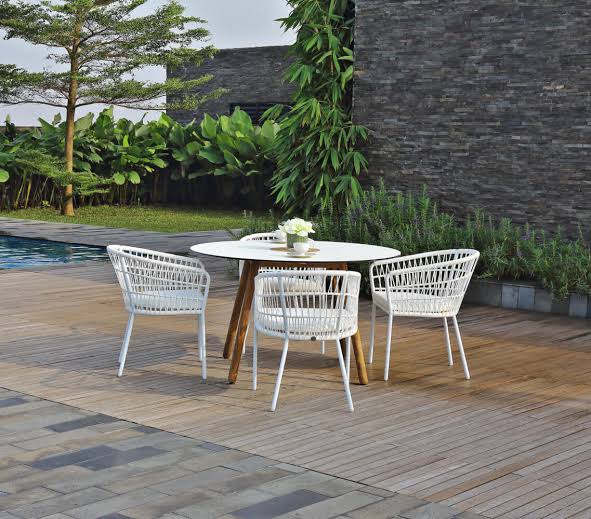
When you already own a set of outdoor table and chairs, the goal is to make the new stools feel like a natural extension rather than an afterthought. Start by checking the overall height ratio: a standard patio table sits about 28‑30 inches tall, so a stool that rises 30‑33 inches will keep conversation comfortable without forcing anyone to hunch. If your current chairs feature a sleek metal frame, selecting stools with matching finishes—whether polished aluminum or brushed steel—creates a cohesive visual rhythm that ties the whole seating area together.
Beyond height, think about the color palette that runs through the rest of your patio ensemble. A deep navy cushion on a metal stool can echo the same hue in the fabric of your patio table chairs, pulling the different pieces into a single story. Conversely, a pop of bright orange on the stool’s seat can serve as a playful accent, especially when the surrounding outdoor table and chairs stay neutral. In practice, many homeowners find that swapping the cushion cover on their stools each season keeps the space feeling fresh without the expense of new furniture.
Finally, consider how the stools will be arranged around the table during gatherings. Placing a pair of stools on one side of the outdoor table and chairs on the opposite side gives guests a choice between high‑back lounging and more relaxed seating. This layout not only maximizes the number of people you can accommodate, but it also invites a dynamic flow—people can easily drift from the bar‑height perch to the lower patio table chairs as conversation evolves. By balancing height, hue, and placement, your new bar stools will seamlessly blend with the rest of your outdoor oasis.
Choosing Luxury Home Furniture: A Practitioner’s Roadmap
When I first helped a newly‑wed couple furnish their Jakarta villa, the biggest hurdle wasn’t the budget—it was the sheer volume of “luxury” options that looked identical on the surface. In my experience, the real value of a piece lies in how it integrates with a room’s architecture, the durability of its joinery, and the story behind its finish. Below is the step‑by‑step approach I’ve refined over a decade of sourcing, testing, and installing high‑end furniture for clients who expect both elegance and resilience.
1. Start with the Spatial Narrative
Every room tells a story, and furniture should be a supporting character, not the headline. I begin by sketching the floor plan and noting the focal points—whether it’s a floor‑to‑ceiling window, a marble fireplace, or a custom‑crafted wall panel. For a client who loved their view of the city skyline, I chose low‑profile sofas that framed the glass rather than obstructed it. The key takeaway: measure first, admire later; a sofa that looks spectacular in a catalog can dominate a modest 3 × 4 m living area and force traffic flow to grind to a halt.
2. Evaluate Material Provenance
Luxury furniture often touts exotic woods or hand‑stitched leather, but the source matters. When I inspected a walnut dining table from a reputable Indonesian workshop, I could feel the grain’s natural curvature and hear the soft tap of a solid‑core leg—signs of genuine hardwood rather than veneered particleboard. Practitioners typically recommend:
- Solid wood for longevity, especially in high‑traffic zones.
- Engineered wood with a thick veneer when weight and cost constraints exist, but only if the veneer is at least 4 mm thick and the core is high‑density fiberboard.
A mistake I made early on was assuming all “solid” labels meant solid wood; some manufacturers use the term loosely, leading to premature sagging.
3. Prioritize Joinery Over Aesthetics
A chair that looks sleek with hidden dowels can be far more stable than one flaunting ornate screws that are merely decorative. In my workshop visits, I’ve seen mortise‑and‑tenon joints hold up under years of daily use, whereas glued‑in‑place frames often develop cracks when humidity swings. If you’re selecting a piece for a climate‑controlled home, the trade‑off is less severe, but for homes in Jakarta’s tropical environment, robust joinery is non‑negotiable.
4. Test the Finish for Real‑World Wear
Glossy lacquer finishes are eye‑catching, yet they tend to show fingerprints and water rings quickly. One client, after a year of hosting brunches, noticed a faint haze on their high‑gloss coffee table. To avoid that scenario, I advise opting for a matte or satin finish that tolerates minor spills, or requesting a protective top‑coat that can be re‑applied during routine maintenance. The edge case: high‑gloss on a table for a low‑traffic hallway—here the visual impact may outweigh durability concerns.
5. Verify Customization Options
Luxury often means bespoke, but the level of customization can dramatically affect lead time and price. When I sourced a set of Italian‑style lounge chairs, the manufacturer offered three fabric swatches and a choice of leg finishes. I asked for a “sample‑on‑site” trial, which revealed that the turquoise upholstery clashed with the client’s existing jade accents. A practical tip: request a fabric swatch and a small wooden leg sample before committing to the full order; this small step prevents costly mismatches later.
Mini Case: The Unexpected Guest
A client once invited a group of friends for a surprise birthday dinner. The dining room featured a sleek glass‑top table I had selected for its minimalist appeal. Mid‑meal, a server accidentally brushed the tabletop with a glass of red wine. Because the finish was a high‑gloss acrylic lacquer, the stain set within minutes, prompting an urgent call to the supplier. In hindsight, a matte polyurethane coating would have allowed immediate wiping without a permanent mark. This incident reinforced my rule: match the finish to the intended usage pattern, not just the visual style.
6. Assess After‑Sales Support
The purchase is only the beginning. Reputable luxury brands often provide a warranty that covers structural defects for five to ten years. In my practice, I keep a spreadsheet of warranty lengths and required maintenance schedules for each supplier. When a client’s leather sofa needed a re‑conditioning after three years, the manufacturer’s service team arrived within 48 hours—an experience that cemented trust and earned repeat business.
7. Balance Aesthetics with Functionality
Finally, remember that luxury furniture should serve a purpose. A sculptural credenza might be a conversation starter, but if it blocks the path to the kitchen, its beauty is wasted. I advise clients to ask themselves: “Do I need this piece daily, or will it live as a decorative accent?” Answering honestly often leads to a more harmonious layout and a longer lifespan for the furniture.
Bottom Line
Choosing luxury home furniture is less about chasing brand names and more about understanding how each element—material, joinery, finish, and service—plays into the daily rhythm of a home. By walking the showroom floor, feeling the textures, and testing the durability under realistic conditions, you can avoid the common pitfalls that even seasoned designers sometimes overlook. If you’re ready to explore curated collections that respect both style and substance, a visit to [CV. Luxury Home Furniture](https://www.luxuryhomefurniture.co.id) can provide tangible examples of the principles outlined above.
Also Read: Choosing the Best Polywood Adirondack Chairs for Outdoor Comfort