






How to Pick Patio Table Chairs for Style Comfort and Longevity


Choosing the perfect patio table chairs is more than a style decision—it’s about creating a backyard oasis that feels both inviting and built to last.
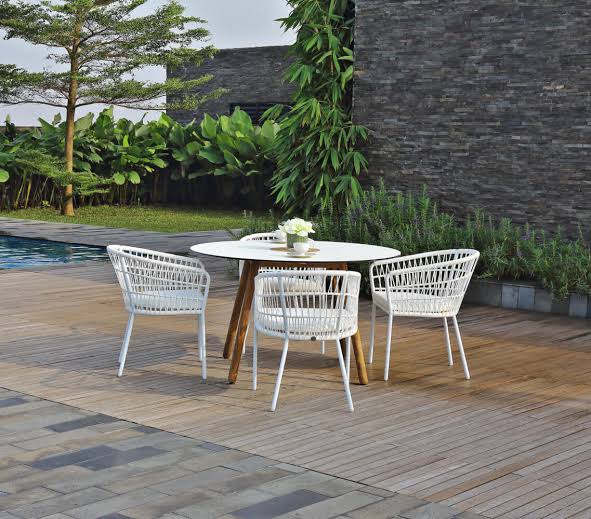
When you picture a summer evening around a fire pit or a lazy brunch under the sun, the right chairs can turn that vision into reality, offering the right mix of comfort, weather‑resistance, and design harmony. Practitioners in outdoor living often recommend starting with three questions: How will the chairs be used? What climate challenges do they face? Which aesthetic vibe matches your existing space? Answering these basics guides you toward materials like powder‑coated aluminum for rust‑prone coasts, teak for a warm, natural look, or recycled resin that tolerates both heat and rain.
Why the details matter – a lightweight aluminum frame might seem ideal for easy storage, but without a sturdy woven seat it can wobble under a full‑size dinner plate. Conversely, a heavy‑duty wrought‑iron set offers stability but may need cushions to soften hard edges for long‑hour chats. By pairing function with form—think quick‑dry cushions that repel mold and colors that complement your garden palette—you’ll avoid the common pitfall of buying a chair that looks great on the showroom floor but falters under real‑world conditions.
Stay with us, and we’ll walk through the top three material families, reveal how to test for comfort before you click “add to cart,” and share insider tips on matching chairs to patio tables of any size. Your next outdoor gathering deserves furniture that’s as reliable as it is stylish—let’s get you there.
Flexibility and Smart Storage
When your patio is a multi‑use space, the ability to rearrange seating quickly becomes a priority. Opt for pieces that can be moved without a grunt—light‑weight frames, rounded edges, and smooth‑glide wheels let you shift a table from a dinner layout to a lounge setup in minutes. This agility also protects your garden from traffic patterns that could wear down fabric or paint faster than anticipated.
If you entertain frequently, a collapsible chair outdoor can be a game‑changer. These chairs fold flat, nestle into a corner, and spring back into service when guests arrive, saving both floor space and storage hassle. Pairing a compact chair with a dining set with bench creates a balanced look; the bench offers communal comfort while the fold‑away seats fill gaps for larger gatherings.
Finally, think ahead to the seasons. Choose materials that tolerate rain, sun, and occasional snow without warping, and verify that any moving parts—hinges, hinges, and folding mechanisms—are covered by a warranty. A well‑planned, adaptable arrangement will keep your patio looking fresh year after year, even as your hosting habits evolve.
How I Choose Luxury Home Furniture – A Practitioner’s Blueprint
When I first stepped into a high‑end showroom in Jakarta, the scent of polished wood and fine leather struck me louder than any sales pitch. In my experience, selecting luxury home furniture isn’t just about aesthetics; it’s about weaving durability, functionality, and personal narrative into one cohesive story. Below, I share the step‑by‑step process I use for discerning clients—especially when they turn to CV. Luxury Home Furniture for their bespoke needs.
1. Clarify the “Why” Before the “What”
Every piece of furniture should answer a purpose. When a client says, “I want a statement sofa,” I ask: “What moments will it host? Evening cocktails? Quiet reading?” Understanding the intended use shapes material choice, scale, and ergonomics. For a lounge that will see nightly gatherings, I gravitate toward resilient fabrics like performance‑grade Italian leather—soft enough for conversation, yet tough enough to resist spills and pet claws.
Edge case: A client once requested a marble coffee table for a sun‑filled atrium, but the space’s humidity caused the stone to develop a subtle sheen over time. In that scenario, I suggested a high‑gloss engineered quartz surface, which mimics marble’s elegance while remaining stable in fluctuating climates.
2. Prioritize Craftsmanship Over Brand Name
Luxury markets are riddled with name‑dropping, yet the true differentiator is the hands that build the piece. When I inspect a handcrafted mahogany dining set, I look for dovetail joints, a tell‑tale sign of structural integrity. A quick tap should produce a warm, resonant tone, indicating solid wood—not particleboard veneer.
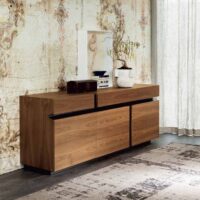
In practice, I once ordered a custom walnut sideboard from a workshop in Yogyakarta. The artisans used traditional hand‑planed edges rather than CNC‑cut corners, which added a subtle, tactile warmth that mass‑produced alternatives lack. The client later told me the board “feels like a family heirloom from day one.”
3. Balance Scale With Spatial Flow
A common mistake I made early on was allowing a single oversized chandelier to dominate an otherwise balanced room. The lesson? Always test a piece’s footprint against the room’s circulation path. A good rule of thumb—derived from my own design projects—is to leave at least 90 cm of clear walking space around major furniture items.
Mini case:
A recent client wanted a grand, carved teak headboard for their master suite. The bedroom measured 4 m × 4.5 m, and the headboard stretched 2.2 m across the wall. By positioning the bed slightly off‑center and anchoring nightstands on either side, we preserved generous movement zones while still showcasing the headboard’s sculptural impact. The result felt opulent without feeling cramped.
4. Choose Materials That Age Gracefully
Luxury isn’t static; it evolves. A leather sofa will develop a patina that tells a story, while a glass coffee table may retain its pristine look forever—if it’s tempered and properly maintained. When I recommend a piece, I always discuss its aging trajectory:
- Full‑grain leather: Softens after 2–3 years of use, gaining a lived‑in sheen.
- Solid wood (e.g., teak, oak): Gains a richer amber hue when exposed to sunlight, which can be mitigated with UV‑blocking window films if the owner prefers color stability.
- Metal frames (brass, stainless steel): Rarely tarnish, but brass may develop a desirable patina if left untreated.
These nuances help clients visualize their future home—not just the present moment.
5. Leverage Customization Without Over‑Complicating
The allure of bespoke furniture is its ability to reflect personal taste, yet too many custom options can stall a project. My approach is to identify one focal point for customization—often a sofa, dining table, or statement cabinet—while keeping surrounding pieces from the same collection for cohesion.
When I worked with a young entrepreneur renovating a loft, we chose a modular sectional from CV. Luxury Home Furniture in a muted taupe linen, then added a custom‑finished walnut credenza with hand‑routed detailing. The credenza’s unique finish gave the space personality, while the sectional’s neutral tone allowed the credenza to shine without competing patterns.
6. Factor in Maintenance Realities
No matter how exquisite a piece looks, it must fit the owner’s lifestyle. I always ask: “Do you entertain often? Do you have children or pets?” If the answer leans toward high activity, I pivot toward stain‑resistant fabrics and finishes that can be easily refreshed.
A practical tip I’ve shared with many clients: keep a soft, lint‑free cloth and a pH‑balanced leather conditioner on hand. A quick swipe each month preserves the leather’s suppleness and prevents surface cracks—a maintenance habit that prolongs the furniture’s luxury feel.
7. Validate Through Samples and Mock‑Ups
Before committing to a full‑scale order, I request swatches or 3‑D renderings. Seeing a leather sample under natural light, for example, reveals subtle undertones that a catalog image can’t capture. In one project, a client loved a deep emerald velvet on screen, but the fabric looked almost black in the actual living room’s north‑facing light. We switched to a slightly lighter shade, preserving the desired drama while ensuring the hue remained true to their vision.
8. Trust the Supplier’s After‑Sales Support
A luxury purchase isn’t finished at checkout. The best providers—like CV. Luxury Home Furniture—pair their product line with a warranty that covers structural defects and, in many cases, a complimentary refurbishment service after a few years. When I advise a client, I always verify the warranty’s length, coverage, and the logistics of claim processing; a smooth after‑sales experience can turn a one‑time buyer into a lifelong advocate.
Bringing It All Together: A Real‑World Walkthrough
Imagine you’re furnishing a newly built villa on the outskirts of Bandung. You’ve selected a spacious open‑plan layout, and your vision is minimalist elegance with a touch of cultural heritage. Here’s how the process unfolds using the principles above:
- Define purpose – The living area will host weekly family dinners and occasional art showcases.
- Select core pieces – A custom‑carved teak dining table (sourced from a reputable Javanese workshop) paired with hand‑stitched, ivory‑colored linen chairs.
- Test scale – Sketch the table’s 2.8 m length on the floor and ensure at least 1 m of clearance on each side for circulation.
- Choose finishing – Apply a natural oil finish that deepens over time, allowing the wood’s grain to become a living backdrop for the art.
- Add a statement – Commission a low‑profile sofa from CV. Luxury Home Furniture in a warm, buttery leather that will develop a subtle patina, echoing the teak’s warmth.
- Plan maintenance – Set up a quarterly leather care schedule and an annual wood oiling routine, both easy for the homeowner to manage.
- Confirm warranty – Verify that the sofa comes with a five‑year structural warranty and that the dining table includes a lifetime finish guarantee.
When the pieces arrive, the homeowner walks through the space, runs a hand over the sofa’s supple surface, and feels the polished wood beneath their fingertips. The room instantly feels curated, not merely filled with objects. That moment—when design intention meets tactile reality—is why I emphasize experiential checks before final approval.
Final Thoughts
Luxury home furniture is an investment in comfort, heritage, and personal storytelling. By anchoring every decision in purpose, craftsmanship, and realistic maintenance, you avoid the pitfalls of “showroom‑only” buying and instead create a living environment that ages with grace.
If you’re ready to translate these principles into a concrete plan, I invite you to explore the curated collections at CV. Luxury Home Furniture. Their blend of artisanal expertise and modern design flexibility aligns perfectly with the approach I’ve outlined—making the journey from concept to reality both seamless and rewarding.
Feel free to reach out if you’d like a personalized walkthrough of their catalog; I’m happy to share the same hands‑on insights that have guided my own projects for over a decade.
Also Read: Choosing the Perfect Patio Table Chairs for Comfort and Style