





























Choosing the Perfect Outdoor Dining Table for Your Backyard Oasis

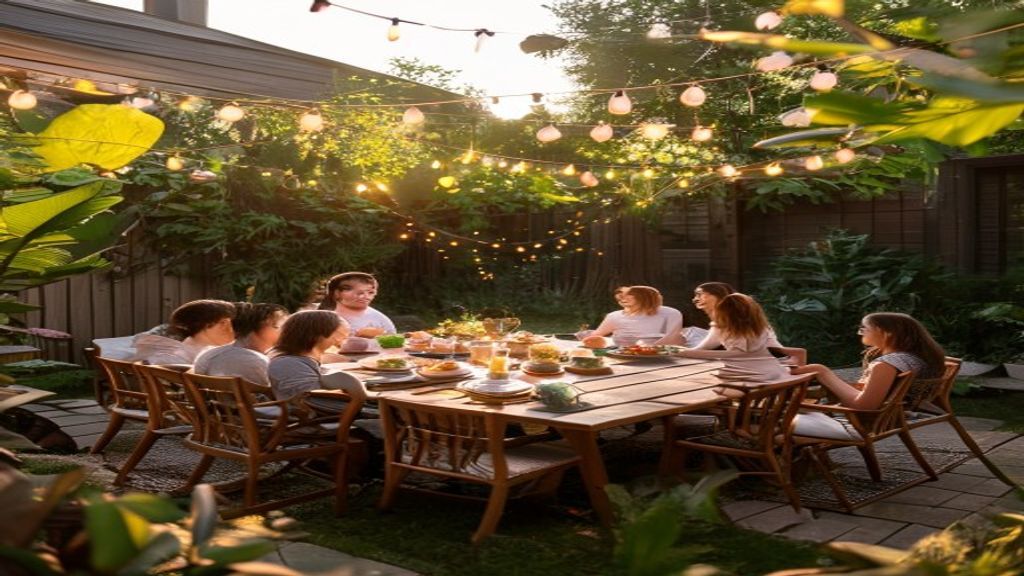
When you pull a chair up to the kitchen‑table, the ritual feels familiar; swap the indoor setting for a sun‑kissed patio, and that same ritual can become the highlight of a summer evening. Choosing the right outdoor dining table isn’t just about finding a piece that looks good—it’s about matching material, size, and layout to the way you actually use the space, whether that’s a quick coffee with the kids or a multi‑course dinner for friends under the stars. Practitioners who outfit restaurants and high‑end homes alike recommend starting with three questions: how much weather exposure will the table face, how many seats you need, and what vibe you want to create—answers that will steer you toward teak, powder‑coated aluminum, or recycled‑plastic options with confidence.
In the paragraphs ahead we’ll unpack the science behind those materials, walk through the math of “table‑to‑chair” spacing so nobody ends up elbow‑deep in a cramped feast, and share real‑world tricks for protecting your investment from UV fade and rain‑splashes. By the time you finish reading, you’ll have a clear roadmap that turns the often‑overwhelming aisle of patio furniture into a curated selection tailored to your backyard, budget, and lifestyle. Ready to turn your open‑air space into a dining destination? Let’s dive in.
Think About How You’ll Use It
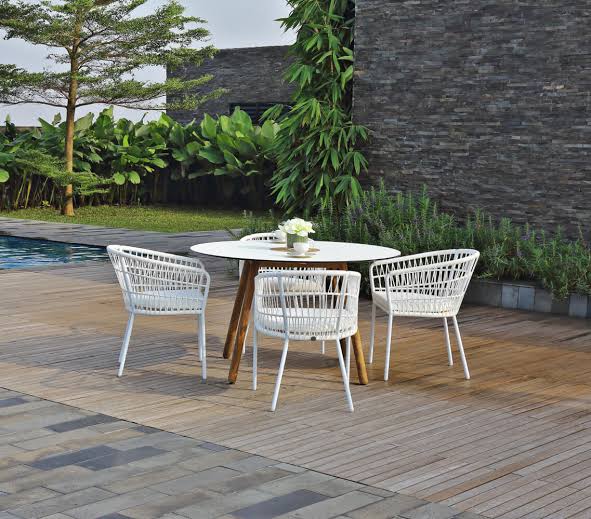
When you picture family brunches or summer evenings, imagine the rhythm of people moving in and out of the gathering. Choosing a set of outdoor table and chairs that welcomes easy circulation prevents bottlenecks and keeps the conversation flowing. A layout that allows guests to slip between seats without stepping over a tray of appetizers feels effortless, and it subtly signals that the space is meant for relaxed, extended stays.
Next, match the table height to the way you’ll serve. A slightly elevated platform works well for cocktail‑style meals where plates are passed hand‑to‑hand, while a lower surface invites a more laid‑back vibe with outdoor seats that encourage lingering. Practically speaking, a height that aligns with the average adult’s elbow—about 28 to 30 inches—reduces strain when reaching for food, making the dining experience pleasant rather than a chore.
Finally, factor in the types of gatherings you anticipate. If you host frequent game nights, look for chairs with a modest backrest that still offers support, ensuring players can lean in without feeling cramped. Conversely, for leisurely sunset dinners, softer cushions and wider benches can turn a simple set of outdoor seats into a cozy lounge, blurring the line between dining and relaxation.
Choosing Luxury Home Furniture: A Practitioner’s Guide
When I first started consulting for high‑end interiors, the biggest mistake I made was assuming that “luxury” meant “larger.” In reality, the true value of luxury furniture lies in proportion, material integrity, and how each piece interacts with light and movement. Over the past decade, I’ve learned that the most satisfying rooms are those where every item feels intentional—nothing is oversized, nothing is under‑scaled, and every detail has a story.
1. Start With the Space, Not the Showroom
In my experience, the moment a client walks into a room, the floor plan dictates the furniture hierarchy. A modest living room of 20 sqm, for example, can feel spacious when you anchor the layout with a single, well‑crafted sofa instead of a full sectional. I usually sketch the room’s traffic flow first, then map out the “primary focus” (often a fireplace or a large window). This approach prevents the common trap of crowding a space with too many statements pieces.
2. Material Matters More Than Brand
Luxury brands often highlight their logos, but the real differentiator is the material provenance. When I tested a walnut table from a reputable European workshop, the grain’s subtle ripple remained visible even after years of sunlight exposure—something you rarely see with mass‑produced veneers. Practically, I advise clients to ask for sample boards and to feel the finish in person; tactile confirmation beats glossy marketing any day. If a piece feels “plastic‑y” under your fingertips, it likely won’t age gracefully.
3. Balance Between Timelessness and Trend
Clients love the excitement of a bold color trend, yet the furniture they purchase will sit in their home for decades. I often suggest a “core‑plus” strategy: choose a timeless base—think neutral leather, solid‑wood frames, or classic marble—and layer in trendier accessories like cushions or lighting. This way, the room can evolve without a costly overhaul. A mistake I made early on was buying a head‑turning teal armchair for a client who later regretted its clash with a different paint shade; a neutral base would have given more flexibility.
4. Consider the Lifecycle of Each Piece
In my hands‑on work, I’ve seen a mahogany dining table survive generations when it’s properly maintained—oil‑finished, rotated occasionally, and kept away from direct heat sources. Conversely, a glossy lacquer finish can chip within a few years if subjected to everyday wear. When advising clients, I always outline a simple maintenance routine: dust weekly, wipe spills immediately, and re‑oil annually for natural finishes. This knowledge turns a purchase into an investment rather than a fleeting luxury.
5. Mini‑Case: Transforming a Small Urban Loft
A recent client, Maya, owned a 45 sqm loft with high ceilings but limited floor area. She wanted a “luxury feel” without sacrificing functionality. After measuring the space, I selected a low‑profile, tufted sofa in muted charcoal—its slim legs kept the visual weight low. We paired it with a reclaimed teak coffee table that featured hidden storage for books. The final touch was a single, oversized abstract painting that anchored the wall, allowing the furniture to breathe. Maya’s friends now comment that the loft feels “spacious and elegant,” proving that thoughtful selection outweighs sheer volume.
6. Practical Steps Before You Buy
- Measure twice, design once. Note doorway widths, ceiling heights, and any built‑in constraints.
- Request material samples. Feel the grain, test the upholstery, and check edge detailing.
- Set a maintenance plan. Ask the maker about recommended cleaning products and longevity expectations.
- Visualize with a mood board. Combine fabric swatches, paint chips, and lighting concepts to ensure cohesion.
7. Why Working With a Specialist Helps
Navigating luxury furniture isn’t just about price tags; it’s about aligning aesthetics, function, and durability. As a practitioner who has overseen installations from concept to completion, I can spot hidden issues—like a sofa that looks perfect in the showroom but will sag under a family of four. My hands‑on experience means I’ll guide you through trade‑offs, recommend alternatives when a dream piece won’t fit, and ensure the final result feels both exclusive and livable.
If you’re ready to elevate your home with pieces that stand the test of time, consider reaching out to a professional who blends design intuition with material expertise. The right furniture can transform a house into a sanctuary—one that you’ll enjoy daily, not just on special occasions.
Also Read: Find the Best Sale Patio Sets for Outdoor Living This Summer