






























How to Pick the Right Table and Chairs for Outside Spaces


Finding the Perfect Outdoor Table and Chairs: A Friendly Guide to Patio‑Ready Comfort
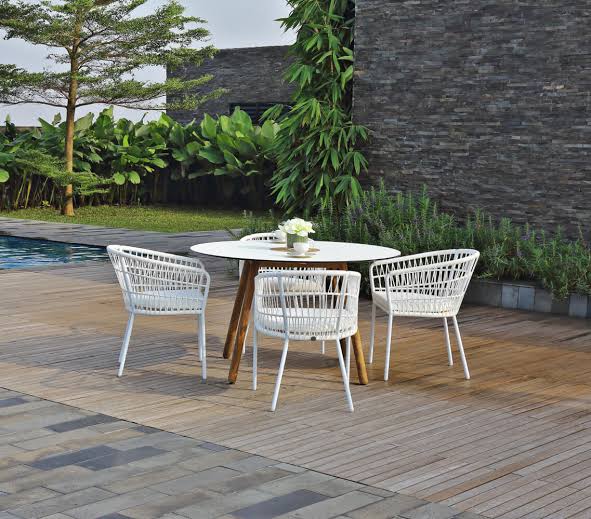
When the sun starts to linger later and the grill is humming, you’ll notice the gap between a functional patio and a true outdoor haven: the right table and chairs. Not all outdoor sets are created equal—some wilt under a sudden rainstorm, others sag after a single summer heatwave, and a few simply look out of place next to your garden’s greenery. In this article we’ll walk through the most reliable materials (think teak, powder‑coated aluminum, and synthetic wicker), explain how to match size and shape to your space, and share low‑maintenance tricks that keep your furniture looking fresh season after season. By the end, you’ll have a clear roadmap for choosing pieces that blend durability, style, and comfort—so you can sit back, relax, and enjoy every al fresco meal without a second thought.
Embrace Flexibility and Smart Storage
When your outdoor area doubles as a party venue and a quiet reading nook, adaptability becomes a deciding factor. Choosing pieces that can be easily moved or tucked away—like lightweight, foldable lawn chairs—lets you reconfigure the space without committing to a permanent layout. Look for frames with simple hinge mechanisms and fabric that resists mildew, so the chairs stay comfortable even after a surprise rain. This approach also frees up room for seasonal plants or a pop‑up grill, keeping the garden feeling fresh year after year.
Leverage Affordable Yet Stylish Options
If you’re balancing a budget with a desire for cohesive design, the IKEA outdoor seating line offers surprisingly versatile solutions. Their modular tables and chairs often feature detachable legs or stackable forms, making it straightforward to store them in a garage or shed when the sun sets. Because these pieces are engineered for easy assembly, you can swap components as your needs evolve—adding a bench here, swapping a coffee table for a taller dining set there. By selecting items that blend practicality with contemporary aesthetics, you ensure the space remains both functional and inviting across seasons.
5 Key Factors I’ve Learned While Curating Luxury Home Furniture
When I first helped a client transform a modest apartment into a high‑end showcase, I realized that buying luxury furniture isn’t just about price tags. It’s a blend of design intent, material integrity, and long‑term lifestyle fit. Below are the five considerations that have consistently guided my decisions, and a quick story that illustrates each point in action.
1. Authentic Craftsmanship Over Brand Hype
In my experience, the hallmark of true luxury is the visible hand of a skilled artisan. A hand‑stitched leather sofa, for example, will show consistent stitch tension and a neat, hidden seam—signs that mass‑produced “designer” pieces often lack. When I inspected a Chesterfield from a well‑known label, the uneven grain and rushed corner seams told me it was a veneer over lower‑grade leather. Authentic craftsmanship typically means a longer lifespan and a story you can share with guests.
2. Material Provenance and Sustainability
Practitioners who care about interiors increasingly ask, “Where did this wood come from?” I always request a material‑origin sheet; solid walnut sourced from sustainably managed forests in the Pacific Northwest, for instance, offers both durability and a lower environmental footprint. Edge cases matter—some exotic hardwoods can be beautiful but may be subject to trade restrictions that could affect resale or even legality in certain regions. Choosing responsibly sourced material protects both the planet and your investment.
3. Scale and Proportion Relative to Your Space
A common mistake I made early on was selecting a statement armchair that dwarfed the room’s proportions. The rule of thumb I now apply is to measure the floor‑to‑ceiling height, then aim for furniture that occupies roughly 30‑40 % of that vertical space. In a recent project, a sleek marble coffee table that spanned the entire living‑room width created a cramped feel; scaling it down by 20 % restored balance and allowed traffic flow. Always mock‑up dimensions with tape before committing.
4. Customization Options and Future Flexibility
Luxury furniture often comes with a suite of custom finishes, fabrics, and hardware. I’ve seen clients regret a fixed‑color sofa when their décor shifted from cool neutrals to warm tones. When possible, select pieces that allow interchangeable legs or removable upholstery, which can be refreshed without replacing the core structure. This flexibility, though sometimes pricier upfront, reduces the need for a full replacement down the line.
5. After‑Sales Service and Warranty Coverage
The final piece of the puzzle is the manufacturer’s support network. A robust warranty—ideally 5 years or more—signals confidence in durability. In one scenario, a client’s dining set suffered a minor scratch during moving; the brand’s on‑site repair service restored it within a week, turning a potential disappointment into a loyalty win. Look for service contracts that cover both structural repairs and finish refinishing.
Mini‑Case: From Skeptical Buyer to Satisfied Homeowner
Client: Maya, a young professional who recently bought a loft in Jakarta.
Challenge: She loved the sleek aesthetic of modern luxury but feared the upkeep of high‑gloss finishes in a humid climate.
Process: I introduced her to a matte‑finished teak dining table from [CV. Luxury Home Furniture](https://www.luxuryhomefurniture.co.id), which combines a sealed low‑gloss coating with a natural oil finish. We placed a protective rug underneath and chose chairs with replaceable leather cushions.
Result: After six months, the table retained its rich tone without warping, and Maya reported that cleaning required only a soft cloth—far easier than the “high‑maintenance” narrative she’d heard. Her confidence in investing in luxury pieces grew, and she now recommends similar selections to her network.
Putting It All Together
When you approach luxury home furniture, think of it as a partnership between design vision and practical stewardship. Verify the maker’s reputation, ask for material documentation, test scale with simple tools, and prioritize pieces that can evolve with your style. By following these five factors, you’ll not only enhance the aesthetic appeal of your home but also safeguard the value of every investment.
If you’re ready to explore curated options that meet these standards, a quick browse of [CV. Luxury Home Furniture](https://www.luxuryhomefurniture.co.id) can give you a sense of the quality and service that align with the principles above. Happy designing!
Also Read: Discover the Best Cushioned Outdoor Chairs for Comfort and Style