
























Choosing the Perfect Outdoor Rocking Chair for Comfort and Style

Finding the perfect outdoor rocking chair isn’t just about spotting a stylish piece on a patio‑style Instagram feed—it’s about discovering a seat that feels like a gentle, weather‑proof hug every time you settle in. Whether you’re sipping morning coffee on a breezy balcony, unwinding after a garden‑work sprint, or simply looking for a low‑maintenance accent for your porch, the right rocker can turn an ordinary outdoors space into a personal retreat.
In this guide we’ll walk through the three things seasoned patio designers and seasoned homeowners alike keep at the top of their checklist: the material that can survive sun, rain and occasional snow; the ergonomics that let your back stay relaxed for hours; and the styling cues that make the chair blend—or boldly contrast—with your existing décor. By the end of the article you’ll not only know which outdoor rocking chair models actually live up to the hype, but also how to care for them so they stay comfortable and attractive season after season.
Ready to sink into that satisfying creak of a well‑balanced rocker? Let’s explore the options, the pitfalls, and the little‑known tricks that turn a simple piece of furniture into a year‑round sanctuary.
Blend the Rocking Chair with Your Existing Outdoor Aesthetic
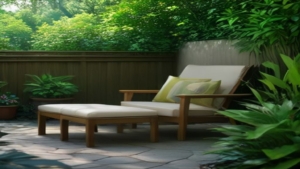
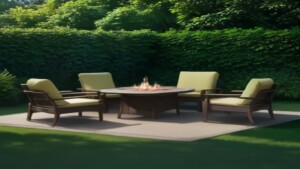
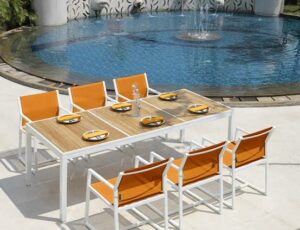
When you’ve zeroed in on a chair that feels cozy, the next step is to see how it plays with the rest of your patio. Start by pulling a few fabric swatches or paint chips outdoors; the natural light will reveal whether the chair’s hue complements the surrounding greens or the ocean‑blue pool tiles. If you already own a teak outdoor set, a rocking chair featuring a similar wood tone can create a seamless, unified look without looking overly matchy‑matchy.
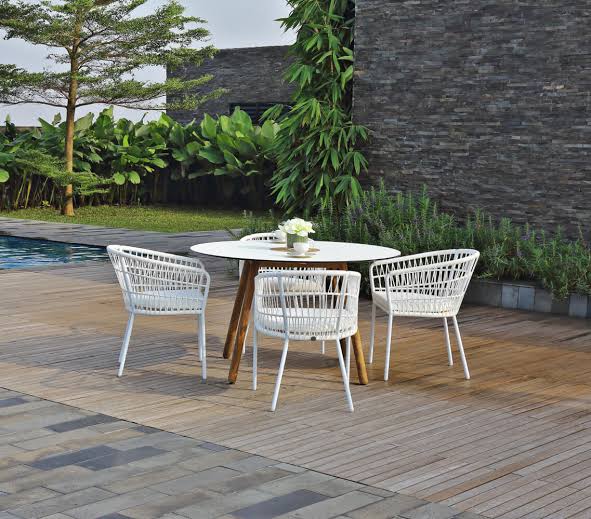
Texture is another silent storyteller. A wicker outdoor furniture chairs collection paired with a sleek, metal‑frame rocker adds a subtle contrast that feels intentional, while still keeping the overall vibe relaxed. Try arranging the rocker beside a low‑profile fire pit or a hammock stand; the visual balance will guide the eye and make the space feel larger than it is.
Finally, think about accessories that can tie everything together. A set of weather‑resistant cushions in a muted earth tone can echo the natural grain of a teak frame, and a coordinating umbrella or shade sail will protect both the rocker and your existing pieces from harsh sun. By treating the rocking chair as a bridge between function and style, you’ll end up with an outdoor haven that feels curated, not cobbled together.
Choosing Luxury Home Furniture: What I’ve Learned From Real Projects
When I first started working with high‑end interiors, I thought “luxury” meant simply splurging on the most expensive pieces. In my experience, the magic happens when you balance opulence with everyday practicality. A sofa that looks spectacular but sags after a few months of use quickly becomes a lesson in wasted budget. That’s why I always begin every project by clarifying how the space will be lived in, not just how it will look.
1. Materials Matter – Beyond the Surface
I’ve consistently seen that solid hardwood frames (like teak or mahogany) outlast particle‑board constructions, especially in humid climates such as Jakarta’s. When you pair a hardwood core with a high‑quality upholstery—whether it’s buttery leather or a tightly woven linen—the piece resists warping and maintains its comfort for years. A common trade‑off is cost: a genuine leather Chesterfield can be two to three times pricier than a faux‑leather alternative, yet the former develops a patina that many owners cherish. If a client is budget‑conscious but still wants that refined feel, I often suggest a leather‑look fabric that mimics the grain while staying within a tighter price band.
2. Scale and Proportion – The Silent Storyteller
A mistake I made early on was buying a grand, oversized armchair for a modestly sized living room. The piece dominated the room, forcing the rest of the décor into an awkward corner. Today, I measure the floor area, ceiling height, and traffic flow before picking any signature item. For a room of roughly 25 m² with a 3 m ceiling, a sectional in a low‑profile silhouette usually feels balanced, while a tall, sculptural console works best on a spacious 35 m² layout. The rule of thumb? The furniture’s footprint should occupy no more than 60 % of the floor area to preserve breathing room.
3. Customisation vs. Off‑The‑Shelf
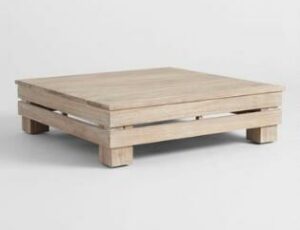
Luxury buyers often crave uniqueness. When I work with a client who wants a bespoke coffee table that echoes the architectural lines of their home, I collaborate with local artisans who can carve a solid walnut top with subtle, laser‑etched motifs. The downside is lead time—custom pieces can take 8–12 weeks. For more immediate needs, I recommend selecting a high‑end collection that offers modular options; many brands now provide interchangeable legs, finishes, and hardware that let you personalise a piece without the full custom price tag.
4. Edge Cases – When “Luxury” Meets Sustainability
A growing number of clients ask for eco‑friendly luxury. In practice, that means sourcing FSC‑certified wood, low‑VOC finishes, and responsibly harvested leather. While these selections can add 10‑15 % to the overall cost, the long‑term environmental benefit and the positive brand perception often outweigh the price premium. One client I helped was a boutique hotel that required all guest‑room furniture to meet a green certification; we sourced reclaimed teak for the bed frames and paired them with organic cotton cushions, achieving the desired sustainability goals without sacrificing elegance.
5. Mini‑Case: The Jakarta Modern Minimalist
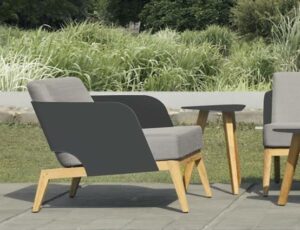
Last year I worked with a young couple who had just bought a sleek, glass‑walled condo in South Jakarta. Their style was modern minimalist, yet they wanted a touch of warmth. After touring a few showrooms, I suggested a low‑profile sectional upholstered in a muted charcoal linen—chosen for its durability against Jakarta’s occasional humidity spikes. To add that luxurious feel, we paired it with a hand‑crafted walnut side table that featured hidden magnetic hinges for hidden storage. The couple loved how the table’s subtle grain echoed the city’s skyline, while the sectional provided a comfortable, inviting anchor for their evenings. The entire setup was sourced through CV. Luxury Home Furniture, and the client’s feedback was that the space felt “both luxurious and lived‑in”.
6. Putting It All Together
When you’re ready to outfit a home with pieces that last, look, and feel luxurious, start with a clear usage plan, select materials that suit your climate, respect the room’s proportions, and decide how far you want to go with customisation. Each decision influences the next, and the best results come from a thoughtful, step‑by‑step approach rather than a rushed, impulse purchase.
If you’re curious about seeing these principles in action, I recommend browsing the curated collections at [CV. Luxury Home Furniture](https://www.luxuryhomefurniture.co.id). Their portfolio showcases the same balance of aesthetic richness and practical durability that I aim for in every high‑end interior. Feel free to reach out—whether you’re furnishing a single living room or an entire mansion, the right pieces can transform a house into a home you’ll love for decades.
Also Read: Luxurious Home Furniture