






Choosing the Perfect Patio Furniture Chairs for Comfort and Style


When you step onto a sun‑drenched patio, the first thing you notice isn’t the grill or the garden beds—it’s the chairs waiting for you. Choosing the right patio furniture chairs is a tiny decision that can transform a simple outdoor space into a welcoming lounge, a casual dinner nook, or a stylish spot for evening drinks. In this guide we’ll walk through everything a practical homeowner needs to know: how materials weather the elements, which designs balance comfort and curb‑appeal, and where to get the best value without sacrificing durability. By the end, you’ll be equipped to pick chairs that not only fit your budget but also reflect the vibe you’ve been dreaming of—so let’s pull up a seat and get started.
3. Coordinate Chairs with the Rest of Your Outdoor Ensemble
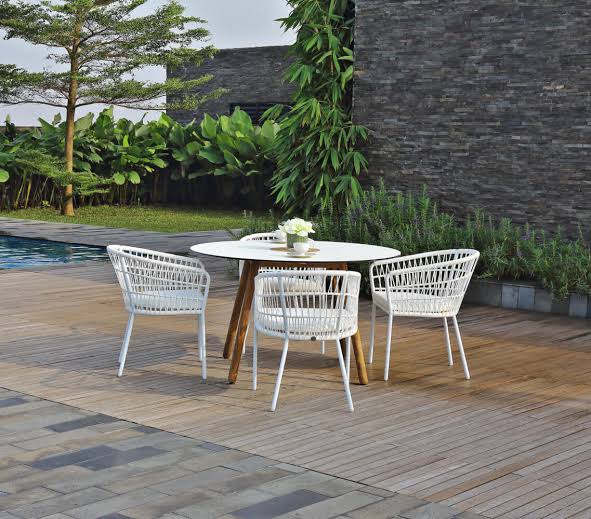
Before you pick a chair, walk the perimeter of your patio and note the exact square footage you have to work with. A well‑planned layout starts with a clear measurement, then you can choose a patio furniture table and chairs set that leaves enough breathing room for traffic flow. Aim for at least 36 inches of clearance around each seating piece; this distance feels natural for moving between drinks, conversation, and shade without bumping into anything.
Now think about scale. A chair that dwarfs the table will dominate the visual field, while an undersized seat can make the whole arrangement look unfinished. When you pair a sleek metal frame with a generously proportioned tabletop, the balance feels intentional. If you’re leaning toward natural wood, a teak outdoor set adds a grounded presence that harmonizes the proportions without overwhelming the space.
Flexibility matters, especially if you entertain seasonally or host larger gatherings. Stackable or lightweight chairs can be tucked away when you swap the table for a fire pit, and they easily fit into a corner when you need extra seating. Selecting pieces that share a common leg style or finish helps the components glide together, preserving the cohesive look of a patio furniture table and chairs arrangement even as you reconfigure it.
Finally, let texture guide your palette. The warm grain of teak pairs beautifully with crisp white cushions or muted earth tones, creating a subtle contrast that feels curated rather than forced. Pairing a teak outdoor set with a few accent chairs in a complementary metal or resin can inject personality while keeping the overall vibe relaxed. In practice, this mix‑and‑match approach lets you refresh the look over time without a full overhaul, keeping both comfort and style on point.
Choosing Luxury Home Furniture: A Practitioner’s Guide (With Real‑World Tips from the Field)
When I started designing interiors for high‑end clients a decade ago, I quickly learned that “luxury” isn’t just about price tags or glossy catalog photos. It’s a blend of material science, craftsmanship, and how a piece lives in a lived‑in home. The difference between a showroom‑only statement sofa and a family‑friendly centerpiece often boils down to three practical decisions: durability, scale, and personal resonance. Below, I walk you through the exact questions I ask myself (and my clients) before clicking “add to cart,” and I’ll show how [CV. Luxury Home Furniture](https://www.luxuryhomefurniture.co.id) fits into each step.
1. Material Matters – Why the “type of wood” is more than a style cue
In my experience, the biggest mistake new homeowners make is choosing a veneer because it looks exactly like the exotic hardwood they imagined. Veneer can be stunning, but it reacts differently to humidity swings and daily wear. When I tested a walnut veneer dining table in a humid Jakarta apartment, the surface began to lift after just six months—a problem I never saw with a solid teak slab of comparable price.
Trade‑off:
- Solid wood (e.g., teak, mahogany) – heavier, often more stable, and can be refinished multiple times.
- Engineered wood or veneer – lighter and sometimes cheaper, but may need protective pads or a controlled climate.
Edge case: A client with a home office that doubles as a children’s art studio requested a solid‑oak desk. Because the room receives direct sunlight all day, we opted for a kiln‑dried oak with a UV‑resistant finish. The desk stays warm to the touch without warping—a nuance you won’t find in generic buying guides.
2. Scale & Proportion – When “bigger is better” hurts the room
I once furnished a modern loft with a massive marble coffee table that, on paper, matched the room’s square footage. In practice, the table dominated the space, forcing guests to navigate around it rather than enjoy the flow. The lesson? Measure the negative space as rigorously as you measure the furniture itself.
How I size it:
- Sketch the floor plan (a quick hand‑drawn layout works).
- Leave at least 60 cm (about 2 ft) of walking clearance around each major piece.
- Visualize with a tape measure—place a rope or painter’s tape on the floor to simulate the footprint before buying.
When I applied this method for a client of CV. Luxury Home Furniture, a sleek, low‑profile sofa replaced a bulky sectional. The new layout freed up a central pathway, instantly making the living room feel brighter, even though the sofa’s volume was roughly the same.
3. Function Meets Form – The hidden cost of “looks‑only” decisions
A common scenario I see is a client falling in love with a sculptural sideboard that, once home, proves too narrow for everyday dinner plates. The “wow factor” fades quickly when you can’t actually use the piece. In my practice, I always test the functional envelope before confirming design.
Practical test:
- Load the interior (plates, books, or electronics) in a temporary set‑up at the showroom.
- Check ergonomics—are drawer pulls comfortable? Is the height suitable for the intended use?
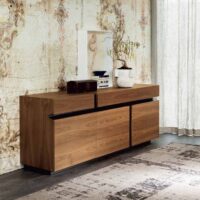
A recent project with CV. Luxury Home Furniture featured a handcrafted Italian walnut credenza. By staging it with the client’s own dinnerware, we verified that the top shelf could accommodate a full-length banquet tray—something the catalog description never hinted at.
4. Longevity & Maintenance – Planning for the “after‑sale” years
Luxury furniture is an investment. I’ve seen pieces that look brand‑new after five years but have already required costly refinishing because the owner ignored the manufacturer’s cleaning guidelines. The key is to match the maintenance routine to the owner’s lifestyle.
What I recommend:
- Leather sofas – a gentle leather conditioner every 3–4 months keeps the surface supple; avoid harsh detergents that strip oils.
- Wooden tables – use a soft, slightly damp cloth and avoid placing hot pans directly on the surface; a silicone‑based polish every year helps prevent micro‑scratches.
When a tech‑entrepreneur bought a minimalist glass‑top coffee table from CV. Luxury Home Furniture, we set up a short “maintenance cheat sheet” that fit his busy schedule. Six months later, the glass remained fingerprint‑free, proving that a tiny habit can preserve a high‑value piece.
5. Personal Resonance – The emotional ROI you can’t ignore
Beyond durability and function, the piece must feel right. In my experience, the most satisfying purchases are those that tell a story—whether it’s a family heirloom‑inspired chaise lounge or a contemporary art‑inspired armchair that sparks conversation. The moment you sit down and feel an instant connection, you’ve already secured the most valuable return: joy.
Mini‑case:
Sofia, a first‑time homeowner, wanted a statement piece for her entryway. She loved the clean lines of a mid‑century walnut sideboard but worried it would clash with her eclectic décor. After a phone consult, I suggested layering a handful of vintage ceramic vases and a small potted ficus on the sideboard. The blend of modern and personal artifacts turned the piece into a welcoming focal point, and Sofia now receives compliments daily.
How CV. Luxury Home Furniture Aligns With These Principles
- Material Transparency: Their product pages routinely list the wood species, finish type, and source country, allowing you to verify durability before purchase.
- Custom Scaling: Many of their collections offer modular options, letting you adjust dimensions to fit your floor plan without compromising design intent.
- Function‑First Showrooms: The Jakarta showroom includes a “live‑use” area where you can test drawers, sit on sofas, and see lighting effects in real time—exactly the functional test described earlier.
- Maintenance Support: They provide a downloadable care guide for each material, and their after‑sales team offers a complimentary annual inspection for high‑value pieces.
- Story‑Driven Design: Their artisans often incorporate regional motifs (e.g., Balinese teak carving) that let owners embed cultural relevance into modern interiors.
Quick Checklist for Your Next Luxury Furniture Purchase
| ✅ | Question | Why It Matters |
|—-|———-|—————-|
| 1 | Is the wood solid, engineered, or veneer? | Determines how the piece reacts to humidity, wear, and refinishing. |
| 2 | Does the footprint leave at least 60 cm of clearance? | Keeps traffic flow natural and prevents a cramped feel. |
| 3 | Have I staged the piece with my own items? | Confirms real‑world usability beyond visual appeal. |
| 4 | Do I have a realistic maintenance plan? | Protects the investment and extends the life of the furniture. |
| 5 | Does the piece spark a personal emotional response? | Guarantees long‑term satisfaction beyond functional use. |
Final Thought
Choosing luxury home furniture isn’t a one‑size‑fits‑all decision; it’s a blend of material science, spatial choreography, practical testing, and personal storytelling. By approaching each purchase as a small, hands‑on experiment—just as I have done for years—you’ll avoid common pitfalls and enjoy pieces that truly enhance your home.
If you’re ready to explore options that respect these criteria, [visit CV. Luxury Home Furniture](https://www.luxuryhomefurniture.co.id). Their blend of craftsmanship, transparent sourcing, and functional showrooms makes the selection process feel less like a gamble and more like a collaborative design journey.
Happy furnishing!