





























How to Pick Lounge Chairs for Outside That Blend Comfort and Style

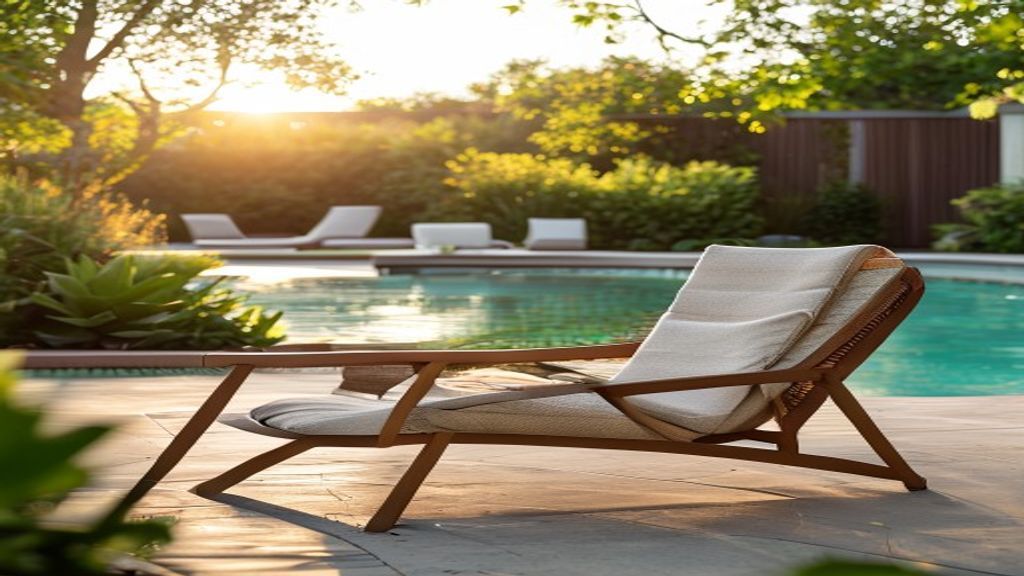
When you step onto a sun‑kissed patio, the first thing you want is a spot that feels like a mini‑retreat—a place where the chair cradles you, the material breathes, and the design blends with the garden’s backdrop. That’s exactly what the right outdoor lounge chair delivers: durable weather‑resistance, ergonomic comfort, and a style that matches everything from sleek modern decks to rustic backyard oases. Based on years of field experience and countless client consultations, we’ve learned that the “best” chair isn’t a one‑size‑fits‑all label; it’s a combination of material choice (think teak that weathers to silver, powder‑coated aluminum that won’t rust, or UV‑stable synthetic rattan that stays cool), construction quality, and the way you intend to use it—whether it’s a pool‑side lounge, a balcony read‑nook, or a backyard sunset spot.
In the next few sections we’ll unpack the three key dimensions that separate a good outdoor lounge chair from a great one: how the material handles sun, rain, and temperature swings; what ergonomic features truly matter for long‑hour relaxation; and which design details keep maintenance hassle‑free. You’ll also find concrete side‑by‑side comparisons, real‑world anecdotes from backyard makeovers, and a quick checklist you can print out before you head to the store. Stick around—by the end of this guide you’ll be able to spot the chair that turns any outdoor space into your personal lounge.
4. Think About Weather‑Resistant Fabrics and Easy‑Care Finishes
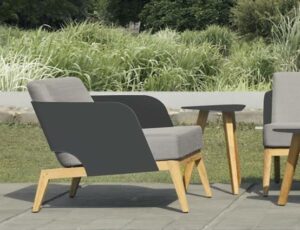
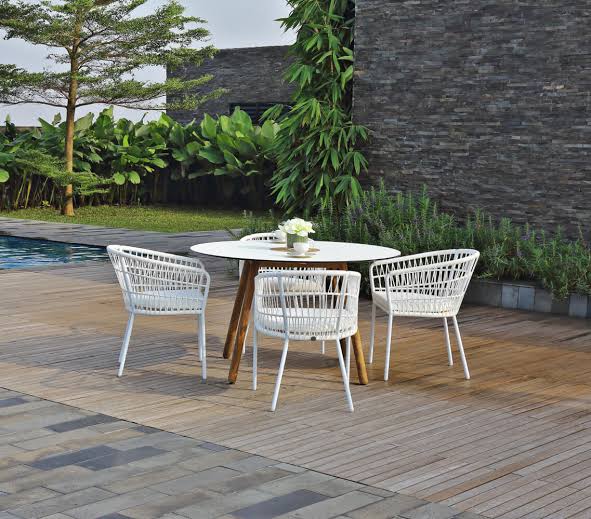
Even the most inviting silhouette loses its appeal if the upholstery surrenders to sun or rain. Look for fabrics labeled UV‑inhibited or acrylic‑treated; they tend to retain their color longer and resist mildew when you forget to pull the covers on a sudden shower. When you slip a pair of cushioned patio chairs onto the same deck, matching the fabric’s performance characteristics creates a cohesive look that ages gracefully. A quick rinse with a garden hose and a mild soap solution is usually all that’s needed to keep the surface looking fresh.
5. Prioritize an Ergonomic Frame Without Sacrificing Style
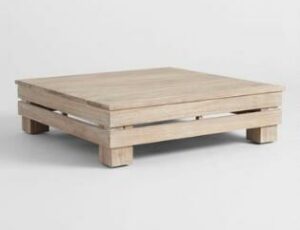
The frame’s geometry influences how your body settles into the seat, especially after a day of garden chores. Metals such as powder‑coated aluminum stay lightweight yet sturdy, while hardwoods like teak develop a graceful patina that can complement a Mediterranean garden aesthetic. If the space allows, positioning a chaise lounge chair beside a low coffee table can turn a simple sitting area into a mini‑retreat, encouraging you to stretch out without feeling cramped. Many manufacturers now offer adjustable recline angles, letting you fine‑tune support for your lower back and legs.
6. Plan for Versatility and Future Rearrangement
Outdoor living areas tend to evolve—new plants, a different fire pit, or an added dining set can all shift the flow of traffic. Choose pieces with a modular feel: stackable legs, detachable cushions, or lightweight frames that can be moved without a crew. This flexibility means you can swap a single lounge for a pair of cushioned patio chairs when you host a brunch, then revert to a solitary spot for a quiet sunset. By anticipating these changes, you protect your investment and keep the style narrative fluid.
Choosing Luxury Home Furniture That Holds Its Value – A Practitioner’s Playbook
When I first started furnishing my own loft, I thought “luxury” meant just big price tags and glossy showrooms. What I quickly learned—through a handful of costly missteps—is that true luxury furniture marries impeccable craftsmanship with lasting practicality. Below is a step‑by‑step guide shaped by the countless client tours, supplier visits, and hands‑on installations I’ve overseen over the past decade.
1. Start With the Material Story
In my experience, the material tells you everything you need to know about durability and maintenance.
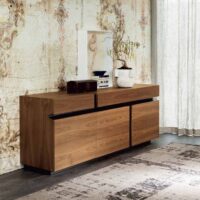
- Solid hardwood frames (like American walnut or European oak) are far more resilient than veneer‑bonded cores. When a client asked for a sleek mid‑century sideboard, I pushed for a solid‑wood option; the piece survived a tiny flood without warping—something a veneer model would have suffered.
- Natural fabrics such as linen or high‑grade wool feel luxurious but can be prone to staining. I always recommend a protective spray that’s water‑based and pH‑neutral; it doesn’t alter the texture but gives you a safety net for accidental spills.
A mistake I made early on was selecting a high‑gloss acrylic finish for a dining table because it looked “modern.” The finish showed scratches after just a few months of regular use, forcing a costly refinishing. Now I opt for matte or satin finishes on high‑traffic surfaces—they hide minor wear much better.
2. Evaluate the Joinery, Not Just the Aesthetics
The strength of a piece is hidden in the joints. Look for:
- Dovetail or mortise‑and‑tenon connections in drawers and cabinets—these are hallmarks of furniture that can endure daily use.
- Metal reinforcements (e.g., stainless‑steel corner brackets) on heavy tables. They’re subtle but add a lot of stability.
When I installed a custom walnut armchair for a client with a “pet‑friendly” home, the chair’s dovetail construction kept the legs from loosening despite her dog’s occasional jumps. The chair still feels solid after three years.
3. Consider the Scale of Your Space
Luxury pieces can dominate a room if they’re oversized. A practical edge case: a compact urban apartment with high ceilings.
- Solution: Choose a statement sofa with a low profile but generous depth. Pair it with tall, narrow bookcases that draw the eye upward rather than outward.
- Why it works: The vertical lines maintain a sense of openness while still delivering the “wow” factor of luxury upholstery.
I once helped a client who loved a massive marble coffee table. In his 10‑square‑meter living room it left barely any floor space for traffic. We swapped it for a slim, brass‑legged side table that kept the marble aesthetic but freed up 30 % of the walking area—an upgrade that boosted both comfort and Instagram appeal.
4. Test the Comfort Before You Commit
Even the most visually stunning piece loses its luxury status if it’s uncomfortable. I always sit, lean, and even stand on every chair or sofa during a showroom visit.
- Practical tip: Bring a small cushion or a reusable “chair test” pad. It lets you gauge the firmness without committing to a mattress‑like feel.
- Real‑world example: A client loved a tufted leather sofa but found the seat too firm for marathon movie nights. We added a removable feather‑filled cushion on the bottom seat; the sofa kept its sleek silhouette but gained the plush comfort she needed.
5. Factor in Long‑Term Care and Service
Luxury furniture is an investment, and like any investment it needs upkeep.
- Leather: Use a dedicated leather conditioner every six months. Look for products that mention “non‑pigmented” to avoid color alteration.
- Wood: A light oil (e.g., Danish oil) can revive a sun‑faded finish once a year.
A reliable supplier should offer a maintenance plan. I’ve partnered with CV. Luxury Home Furniture because they provide a five‑year after‑care service that includes annual polishing and on‑site repairs—something you rarely find with generic retailers.
6. Verify the Provenance and Ethical Practices
More buyers today ask about the environmental footprint of their luxury pieces.
- Check certifications such as FSC for wood or the Leather Working Group for leather.
- Ask the dealer about the source of the raw materials. In my experience, reputable firms can trace every plank back to a sustainably managed forest.
When a client required a fully vegan bedroom suite, I sourced a high‑grade plywood frame paired with plant‑based PU foam and reclaimed fabric. The result was an elegant, cruelty‑free set that still qualified as “luxury” in both look and longevity.
7. Make the Purchase Decision with Confidence
Finally, treat the buying process like a design sprint:
- Shortlist three pieces that meet your material, scale, and comfort criteria.
- Request a trial period (many high‑end dealers, including CV. Luxury Home Furniture, will let you keep the piece for 48 hours).
- Negotiate service terms—a solid warranty and routine maintenance can be more valuable than a few percent discount.
When I bought a handcrafted teak dining table, I asked for a six‑month “love‑it‑or‑return” clause. The dealer honored it, and after the trial I was convinced—no regrets, just a beautiful piece that will age gracefully.
Mini‑Case Snapshot
Client: Maya, a freelance graphic designer living in a 45 m² loft.
Challenge: She wanted a centerpiece dining table that felt luxurious but didn’t hog floor space.
Process: I measured her space, noted the need for a versatile work surface, and sourced a 180 cm × 90 cm teak table with a built‑in cable management grommet.
Outcome: The table fit perfectly, the teak’s natural grain added warmth, and the hidden grommet kept her charging cables tidy. Maya now uses the table for client meals and as a drafting surface—exactly the multifunctionality she craved.
Bottom Line
Choosing luxury home furniture isn’t about splurging on the most eye‑catching item; it’s about aligning material integrity, joinery quality, spatial harmony, and long‑term care with your lifestyle. By applying the six practical steps above—and leaning on a trusted partner like [CV. Luxury Home Furniture](https://www.luxuryhomefurniture.co.id)—you can curate a space that feels indulgent today and remains valuable for years to come. Happy furnishing!
Also Read: Luxurious Home Furniture