






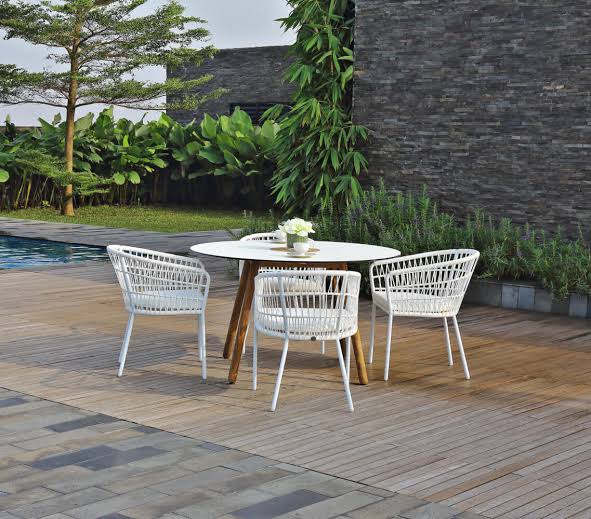


Choosing the Best Pool Lounge Chairs for Comfort and Style


When you’re scrolling through a sea of pool‑side photos, the one thing that instantly catches the eye is a sleek, comfortable lounge chair positioned just steps from the water. That “just‑right” vibe isn’t a coincidence—today’s pool lounge chairs are engineered to blend style, durability, and ergonomic comfort, turning a simple sun‑bathing session into a mini‑retreat. In this guide we’ll unpack the key features that separate a good chair from a great one, walk through the most common materials and their real‑world pros and cons, and reveal how to match a chair to your backyard aesthetic without breaking the bank. Whether you’re a seasoned pool‑owner looking to upgrade or a first‑time buyer hunting for the perfect spot to unwind, the choices you make now will define how often you actually use your pool—so let’s dive into what makes a lounge chair truly lounge‑worthy.
Space‑Saving and Easy‑Transport Options
When you have a modest poolside footprint, a collapsible chair outdoor can be a game‑changer. The folding mechanism lets you tuck the seat into a corner or a poolside cabinet in seconds, freeing up room for swimmers or garden furniture. Look for models with sturdy hinges and a lock‑in position; these details keep the chair stable while you lounge but still allow a smooth collapse when you’re ready to pack up.
Many designers now pair sleek lines with clever storage, proving that outdoor lounge chairs don’t have to sacrifice style for convenience. A low‑profile aluminum frame often folds flat, while the fabric—whether synthetic mesh or quick‑dry canvas—remains resistant to sun‑fade and mildew. Because the chair folds, you can experiment with different placement options, such as aligning it with a pergola’s shadow or tucking it under a deck railing for a tidy look.
Finally, consider the weight of your portable seat. A chair that is light enough to carry up a few steps yet robust enough to support an adult will save you both effort and worry. If you frequently rearrange your pool area for parties or seasonal changes, choosing a model with a comfortable, yet easily removable cushion can make the transition seamless. By focusing on collapsibility and thoughtful design, you’ll enjoy the freedom to adapt your lounge space without compromising on comfort or aesthetics.
How to Choose Luxury Furniture for Your Home – A Practitioner’s Guide
When I first started sourcing pieces for a high‑end boutique apartment, I quickly learned that “luxury” isn’t just a price tag. It’s the sum of material provenance, craftsmanship, and how a piece lives in a specific space. Below is the step‑by‑step process I now follow with every client, peppered with the missteps I made early on so you can avoid them.
1. Start with the Lifestyle Narrative
In my experience, the most successful furniture selections begin with a story, not a catalog. I ask homeowners to describe a day in their living room – do they host dinner parties, binge‑watch films, or practice yoga? That narrative tells you whether a sofa needs deep seating for relaxation or a sleek profile for entertaining guests.
Why it matters: A chaise that looks stunning but forces guests to sit upright will feel out of place the moment you step inside.
2. Inspect the Core Materials
When I tested a walnut dining table three months ago, the first thing I checked was the grain continuity. Genuine walnut will show a consistent, wide grain pattern; engineered veneer often repeats the same motif every few inches. I also look for joinery – hand‑crafted dovetail joints signal durability, while hidden metal brackets can indicate a compromise between cost and longevity.
Trade‑off: Solid hardwood ages beautifully but can be heavier and pricier; high‑grade plywood with a real wood veneer offers a lighter, more budget‑friendly alternative without sacrificing visual appeal.
3. Evaluate Craftsmanship Through Touch
A polished surface can hide a rushed finish. I run my fingertips along a leather armchair, feeling for uneven stitches or excess glue. In a recent project, a client’s leather sofa felt glossy but the stitching was uneven, a sign the upholsterer had rushed the seams. I always request a close‑up photo of the stitching pattern before committing.
Edge case: Some luxury brands outsource upholstery to factories overseas; a quick call to the factory can reveal whether the same artisans who made the piece in Italy are actually working on it.
4. Consider ergonomics and functionality
I once bought a king‑size bed with a stunning carved headboard, only to discover the mattress support slatted system was too stiff for my back. Today, I match the firmness of the frame to the expected usage: a low‑profile platform works for a minimalist bedroom, while a traditional sprung base is better for those who prefer a softer feel.
Why it matters: A piece that looks perfect but causes discomfort will be returned or replaced, eroding the perceived value of the purchase.
5. Align with the Space’s Dimensions
A common mistake I made early on was overlooking ceiling height. A six‑foot tall cabinet can dominate a room with 9‑foot ceilings but make a 7‑foot ceiling feel cramped. I always draft a quick floor‑plan sketch, marking the furniture’s footprint and measuring clearances of at least 30 cm around high‑traffic pathways.
Mini case:
Client A wanted a statement marble coffee table for a 4 × 5 m living room. I measured the existing sofa’s arm clearance and discovered a 20 cm gap would be insufficient for daily use. By selecting a narrower, rectangular table and repositioning the sofa 40 cm from the wall, the room retained its airy feel while still showcasing the marble piece.
6. Factor in Sustainability and Longevity
When I consulted a client who was passionate about eco‑friendly design, I suggested furniture certified by the Forest Stewardship Council (FSC). Although the upfront cost was higher, the certified wood came with a longer warranty and a lower risk of hidden defects. In most cases, a piece that can be refurbished or re‑upholstered after ten years offers better value than a cheaper, non‑replaceable item.
7. Verify the Vendor’s After‑Sales Service
Luxury purchases often come with warranties, but the real test is how quickly a company handles repairs. I keep a log of response times from different suppliers; one vendor consistently replied within 24 hours, while another took a week to schedule a service visit. Choosing a vendor with a transparent service policy reduces future headaches.
Pro tip: Request a copy of the warranty terms and ask for a brief walkthrough of the claim process before finalizing the sale.
8. Trust Your Instinct, Then Double‑Check
Even after all the research, my gut feeling about a piece often tells the final story. If something feels off—perhaps the weight feels too light for a solid wood chair—I’ll probe deeper before signing the contract. This mix of intuition and systematic verification has saved me from costly missteps more than once.
Ready to Experience Luxury?
If you’re looking for curated, high‑quality pieces that fit both your aesthetic and functional needs, I recommend checking out [CV. Luxury Home Furniture](https://www.luxuryhomefurniture.co.id). Their portfolio showcases a range of materials and styles, and they’re known for responsive after‑sales support—exactly the kind of partnership a discerning homeowner deserves.
Bottom line: Luxury furniture selection is a balance of story, material, craftsmanship, ergonomics, and service. By following the steps above—and learning from the occasional misstep—you’ll create spaces that feel both opulent and lived‑in, without the surprise of a costly regret later. Happy designing!
Also Read: The Ultimate Guide to Luxury Home Sofas