






Choosing the Best Foldable Lawn Chairs for Comfort and Portability

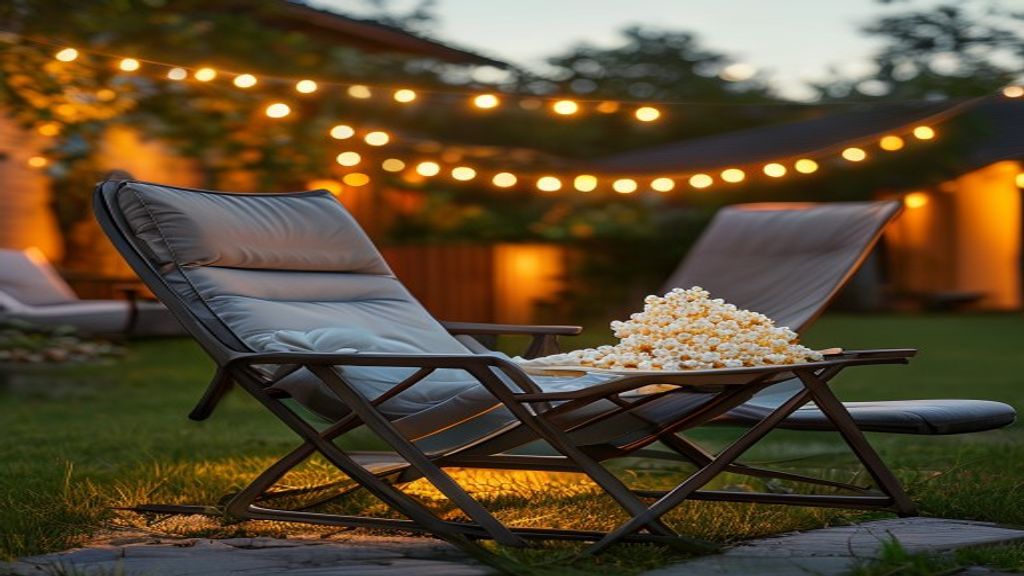
Finding the perfect foldable lawn chair can feel like hunting for a hidden gem in a sea of plastic frames and vague product names. Whether you’re setting up a backyard movie night, hosting a neighborhood BBQ, or just need a lightweight seat for a weekend hike, the right chair does more than just fold— it balances comfort, durability, and ease of transport. In this guide we’ll break down the three core ingredients that separate a “good enough” chair from a true outdoor companion: material science, ergonomic design, and real‑world durability.
Why those three factors matter becomes clear once you picture the chair in action. A polyester‑woven sling might look sleek, but without UV‑treated fibers it will fray after a single summer. An aluminum frame offers strength, yet a poorly engineered hinge can snap under the weight of a full‑grown adult. And even the most robust construction falls short if the seat angle forces you into a hunched posture after a few hours of sitting. By exploring how manufacturers engineer each element—and by sharing anecdotes from frequent park‑goers and campsite veterans—you’ll walk away with a clear checklist that matches your specific use‑case.
Stay with us, because the next sections dive into the nuances of fabric treatments, hinge mechanisms, and weight‑capacity testing, all wrapped in practical tips you can apply the moment you walk into your local outdoor‑gear aisle. By the end, you’ll not only know which chair will survive a season of sun and rain, but also which model will keep you relaxed when the evening breeze turns into a cool night under the stars.
Pairing Your Foldable Lawn Chair with a Matching Table
When you add a compact surface to your seating setup, the experience shifts from “just a seat” to a mini‑outdoor workstation. Look for a lawn chair with table that folds flat against the chair’s back; this design keeps the overall footprint small while still offering a sturdy spot for a drink, snack, or a sketchpad. In practice, a picnic‑goer might unfold the table, place a lightweight cooler on it, and still be able to slip the entire unit into a car trunk without compromising comfort.
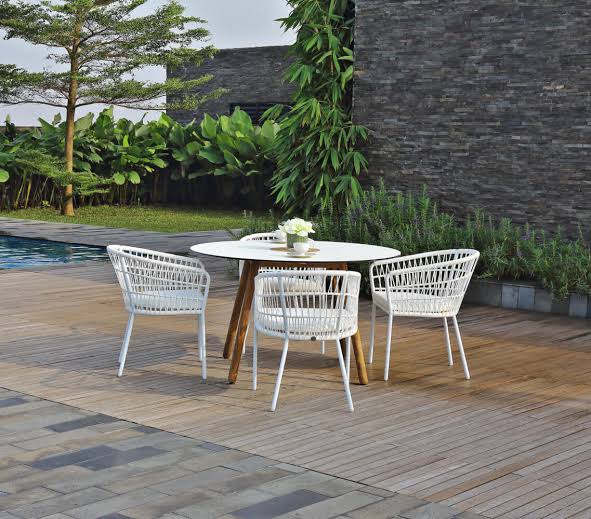
Beyond convenience, the height relationship between seat and surface matters for ergonomics. A good rule of thumb is to choose a table that sits roughly two to three inches above the seat, allowing elbows to rest naturally without straining the shoulders. Many outdoor manufacturers now market coordinated outdoor table and chairs sets that adhere to this proportion, which makes the transition from casual lounging to working on a laptop feel almost seamless.
Finally, consider the materials and locking mechanisms that keep both parts stable on uneven ground. Aluminum frames with rubberized feet tend to absorb the bumps of a grassy field, while quick‑release hinges let you secure the table in seconds. Testing a set on a sloped patio before buying can reveal whether the combined unit stays level—or if you’ll need an extra stabilizer—so you can enjoy your backyard oasis without surprise wobble.
Choosing Luxury Home Furniture: A Practitioner’s Play‑by‑Play
When I first started consulting on high‑end interiors, I thought “luxury” meant simply grabbing the most expensive sofa. A mistake I made early on was ignoring the room’s scale and the client’s daily rhythm. What I’ve consistently seen work is a balance of material quality, functional proportion, and lasting style. Below is the step‑by‑step mindset I rely on when guiding homeowners through the selection process.
1. Start With the Space, Not the Piece
In my experience, the room’s architectural bones dictate what will truly feel luxurious. A 20‑square‑meter living room with 3‑meter ceilings, for instance, can handle a grand, low‑profile sectional, whereas a compact apartment would be overwhelmed by the same sofa. I always measure the visual height—top of the window frame to the floor—and then imagine the furniture’s silhouette within that envelope. This prevents the common pitfall of buying a statement armchair that ends up blocking traffic flow.
2. Prioritize Material Over Brand
Luxury furniture is essentially an investment in material durability. When I tested a solid‑teak dining table from a well‑known Indonesian workshop, the grain held its richness even after three years of daily use. In contrast, a glossy MDF set that looked “premium” in the showroom started to swell after a single humidity spike. Practitioners recommend focusing on solid wood, natural stone, and high‑grade metal—materials that age gracefully and require minimal upkeep.
3. Match Finish to Lifestyle
A sleek, high‑gloss lacquer may look stunning in a show home, but in a family setting it collects fingerprints and scratches faster than any other finish. I once advised a client who loved the modern vibe of a lacquered walnut coffee table to instead choose a matte, oil‑finished version. The matte surface kept the tabletop looking fresh despite coffee spills and kids’ art projects. The trade‑off is a slightly richer, more tactile feel, but the payoff is long‑term resilience.
4. Consider the “Edge Case”: Mixed‑Use Rooms
Many Indonesian homes now blend living, work, and dining zones. In a recent project, the client wanted a luxury sofa that could also serve as a casual meeting spot. I selected a modular, low‑back sofa upholstered in a breathable linen‑blend that tolerates occasional laptop use. The edge case here is the need for flexibility without sacrificing elegance—a scenario where a traditional, rigid Chesterfield would feel out of place.
5. Test Comfort Before Commitment
Even the most exquisite design loses its charm if it isn’t comfortable. When I tested a handcrafted leather armchair, I sat for thirty minutes, adjusting my posture to mimic a typical evening of reading. If you feel a subtle shift in support after a few minutes, that’s a red flag. Practitioners advise a “30‑minute sit‑test” for any upholstered piece; it reveals whether the cushion density and lumbar support truly suit the user’s body type.
Mini‑Case: The Jakarta Penthouse
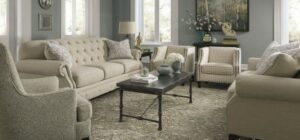
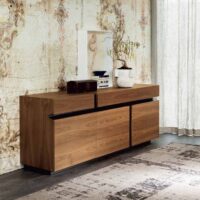
A client in Jakarta approached me with a 250‑square‑meter penthouse that had floor‑to‑ceiling glass walls. They wanted a “statement lounge” that echoed the city’s skyline. I began by mapping the sightlines: the sofa needed a low back to keep the view unobstructed, while the coffee table required a reflective surface to bounce natural light. We chose a custom, low‑profile sectional in brushed brass‑tone leather—an unexpected finish that complemented the glass while staying cool in the tropical climate. A single, hand‑carved walnut sideboard added warmth without crowding the space. The result was a lounge that felt both expansive and intimate, proving that material choice, scale, and finish can harmonize even in a high‑rise setting.
6. Leverage Local Artisans
Indonesia boasts a rich tradition of woodworking, especially in regions like Jepara and Bali. When I collaborate with a Jepara master carpenter, the result is a bespoke piece that reflects both modern design and cultural heritage. The trade‑off is a longer lead time—often three to four months—but the authenticity and craftsmanship are unmatched. If you can wait, the narrative behind each joint and hand‑carved detail adds invisible value that even the most polished brand label can’t replicate.
7. Keep an Eye on Future Trends
Sustainability is no longer a niche concern; it’s becoming a core element of luxury. In recent industry reports, designers are gravitating toward reclaimed wood and low‑VOC finishes. In practice, I recommend sourcing a reclaimed teak dining table—its patina tells a story, and the environmental footprint is considerably smaller than newly milled timber. This approach satisfies both aesthetic ambition and the growing desire for responsible ownership.
Quick Checklist Before You Purchase
| Item | What to Verify |
|——|—————-|
| Scale | Does the piece fit the room’s visual height? |
| Material | Is it solid wood, natural stone, or high‑grade metal? |
| Finish | Does the finish match daily use (matte vs. gloss)? |
| Flexibility | Can it adapt to mixed‑use scenarios? |
| Comfort | Have you done a 30‑minute sit‑test? |
| Artisan Origin | Is the piece locally crafted for authenticity? |
| Sustainability | Does it use reclaimed or low‑impact materials? |
Final Thought
Luxury furniture isn’t about flaunting an expensive label; it’s about curating pieces that honor the space, the lifestyle, and the story behind each material. When you approach a selection with the mindset of an interior practitioner—checking scale, testing comfort, and valuing craftsmanship—you’ll end up with a home that feels both opulent and authentically yours.
For more curated options and bespoke consultations, [visit CV. Luxury Home Furniture](https://www.luxuryhomefurniture.co.id). Their portfolio illustrates many of the principles discussed here, from solid‑teak dining sets to custom‑crafted lounge suites that marry modern aesthetics with Indonesian craftsmanship.
Also Read: Choosing Aluminum Patio Sets That Blend Style, Durability, and Comfort