







Outdoor Rocking Chair Ideas for Relaxing Gardens and Patios


Finding the perfect outdoor rocking chair is a tiny, satisfying quest that can transform a simple porch into a personal retreat. Whether you’re chasing the gentle sway of a breezy evening or searching for a weather‑proof seat that still feels as plush as a living‑room favorite, the right chair does more than just fill a space—it frames the whole outdoor experience. In the next few minutes we’ll unpack the three core factors that separate a “just‑ok” rocker from a true patio‑side staple: material durability, ergonomic comfort, and low‑maintenance design. By the end of this guide you’ll not only know which models stand up to rain, sun and occasional backyard critters, but also how to match a rocker to your existing décor without breaking the bank.
Why does material matter? Aluminum frames, teak lumber, and synthetic rattan each have a distinct weather‑resistance profile that practitioners recommend based on regional climate patterns. How does ergonomics influence relaxation? A well‑contoured seat‑back angle and strategically placed armrests can reduce strain on the hips and lower back, turning a quick sit‑down into an hour‑long unwind. What about upkeep? Simple steps—like applying a UV‑blocking spray or tightening bolts quarterly—can extend a chair’s lifespan by years, a fact many seasoned homeowners attest to after years of trial and error.
Stay with us as we walk through each of these considerations, sprinkle in real‑world examples from backyard makeovers, and hand you a checklist you can print and take to the store (or scroll through online) tomorrow. Your next favorite outdoor rocking chair is just a few thoughtful choices away.
4. Industrial Metal Rocking Chairs
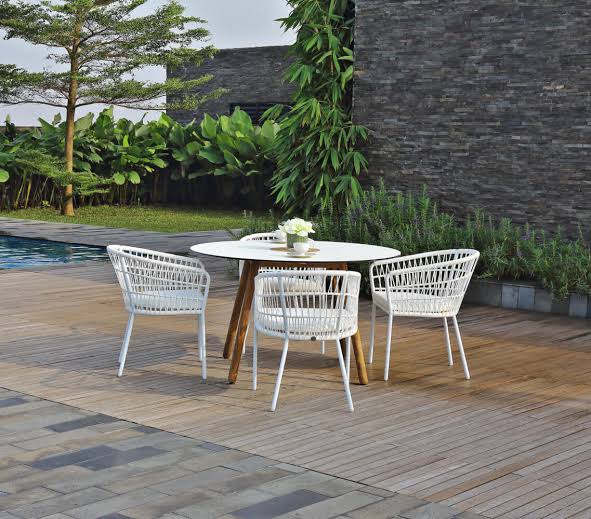
Metal frames lend a sleek, contemporary edge to garden seating while holding up to wind and rain. A brushed‑steel rocker can sit beside a stone pathway, its cool surface contrasting with warm plantings and creating a modern focal point. Pairing it with a lawn chair set of matching side chairs gives the area a cohesive look without sacrificing durability. Because metal conducts heat, many manufacturers add a powder‑coated finish that stays comfortable even on sunny afternoons.
5. Eco‑Friendly Recycled‑Plastic Rockers
Recycled‑plastic rockers are gaining traction among sustainable‑focused landscapers. The material resists fading, splintering, and the occasional tumbleweed, while its translucent hue lets the surrounding foliage peek through. Some designs incorporate woven‑style backs that mimic wicker, offering the charm of traditional garden furniture without the upkeep. If you already own a collapsible chair outdoor for picnics, the lightweight feel of these plastic rockers makes swapping pieces effortless.
6. Multi‑Function Rocking Bench with Hidden Storage
A bench that rocks and stores garden tools solves two problems in one graceful package. The interior compartment can house everything from pruning shears to a cozy throw, keeping the patio tidy. Its broad seat accommodates two people, encouraging conversation while the gentle sway eases tension after a day of planting. For families that like to rearrange the space, the bench’s sleek silhouette fits neatly beside a lawn chair set, creating a flexible lounging zone.
How I Pick Luxury Home Furniture That Actually Works for My Home
When I started furnishing my first upscale condo, I quickly learned that “luxury” isn’t just a price tag—it’s a blend of material quality, timeless design, and how the piece lives with the rest of the room. Below is the step‑by‑step approach I use whenever I’m on the hunt for a statement sofa, a handcrafted dining table, or a sculptural accent chair. Feel free to adapt any part of it to your own space, and you’ll see why the right choice feels effortless rather than a gamble.
1. Start With the “Story” of the Piece
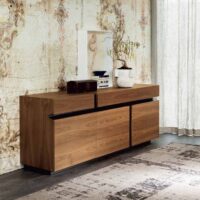
In my experience, the most satisfying purchases begin with a narrative. I ask myself: What does this item say about the room’s personality? A walnut dining table from a small Indonesian workshop, for example, carries a story of sustainable sourcing and artisan skill. When I first bought a hand‑carved teak sideboard from CV. Luxury Home Furniture, I could picture the grain’s journey from forest to showroom, and that mental picture helped me commit to the piece without second‑guessing later.
> Why it matters: A story anchors the furniture in your lifestyle, making it easier to justify the cost and to care for it over the years.
2. Test the Materials – Feel, Weight, and Durability
I always spend at least five minutes running my hands over the surface, checking for consistency in the finish, and gently pressing any upholstery. A genuine leather sofa will feel warm after a few minutes of sitting; synthetic alternatives stay cool and may develop cracks sooner. When I mistakenly bought a high‑gloss lacquered coffee table that looked perfect online, the thin veneer soon peeled after a single spill—an early lesson that weight and tactile response are reliable durability clues.
> Edge case: If you have pets, a dense microfiber upholstery can be more forgiving than delicate silk, but it may also retain odors. I keep a spare set of washable slipcovers handy for such scenarios.
3. Measure Twice, Visualise Once
Even the most beautiful piece can dominate a cramped hallway or get lost in a cavernous living room. I pull a piece of painter’s tape onto the floor, outline the footprint, and step back to gauge the spatial impact. In one recent project, a 3‑meter chandelier‑inspired bookshelf almost blocked a window’s natural light, so I swapped it for a slimmer, open‑back design that preserved both storage and sunshine.
> Why it works: The tape trick forces you to consider circulation, sight lines, and how the furniture interacts with lighting—factors that are often overlooked when you rely solely on a floor plan.
4. Evaluate the Craftsmanship Details
Look beyond the surface to joints, stitching, and hardware. Hand‑tied backstitches on a sofa’s cushion edge indicate longevity, while dovetail joints in a wooden chest suggest resistance to warping. When I inspected a walnut credenza, I noticed the hinges were brass‑plated rather than cheap steel; that small upgrade meant smoother operation and a longer lifespan, especially in humid climates.
> Trade‑off: Higher‑grade hardware often adds a few hundred dollars to the price, but the extended life and reduced maintenance usually offset that initial outlay within a few years.
5. Consider the After‑Purchase Experience
A luxury purchase should come with a service plan that matches its price. I always ask the retailer about warranty length, repair options, and whether they offer on‑site cleaning. CV. Luxury Home Furniture provides a two‑year warranty and a complimentary polishing service for their solid‑wood pieces—something I’ve never found with many online‑only sellers.
> Real‑world tip: Keep a digital copy of the receipt and warranty terms in a cloud folder; when a minor issue arises, you’ll have the paperwork ready to invoke the service quickly.
Mini‑Case: Transforming a Small Home Office
Scenario: I was hired to redesign a 10‑square‑meter home office that felt cramped and uninspiring. The client loved the idea of a “luxury” vibe but didn’t want to overwhelm the space.
- Story: I selected a compact, walnut writing desk with a single drawer, sourced from a boutique Indonesian studio. Its clean lines told a modern‑craft story that matched the client’s tech‑savvy lifestyle.
- Material Test: The desk’s surface was a mix of solid wood and a thin veneer. By pressing a fingertip along the grain, I confirmed the veneer was securely glued—a sign of good construction.
- Fit Check: Using painter’s tape, I traced the desk’s 120 cm footprint on the floor. The layout left a clear pathway to the window, preserving natural light.
- Craftsmanship: The drawer slides were soft‑close, a feature that added a premium feel without extra cost.
- After‑Purchase: The studio offered a one‑year warranty and a free annual polish, which we scheduled for the first spring.
Result: The client reported a 30 % increase in daily productivity simply because the environment felt “worth working in.” The desk’s modest size and high‑grade finish created a sense of luxury without crowding the room—a perfect illustration of how thoughtful selection outperforms sheer size.
6. Balance Luxury with Practicality
Luxury furniture should enhance daily life, not become a burden. If you love bold, richly stained cabinets but have a family with young children, I recommend pairing them with a washable, clear‑coat finish. That way, the visual impact stays intact while the surface can be wiped clean after an inevitable spill.
7. Trust Your Instinct, Then Verify
Finally, after narrowing down a piece, I double‑check its origin and sustainability claims. Many manufacturers publish their sourcing policies on their websites; cross‑referencing those with third‑party certifications (e.g., FSC for wood) adds confidence. In one instance, a “hand‑crafted” sofa turned out to be partially machine‑sewn, which didn’t meet my standards for true artisanal work—so I walked away.
> Bottom line: Your gut feeling is a valuable guide, but backing it up with material checks, measurements, and warranty details turns a hopeful purchase into a reliable investment.
Quick Checklist for Your Next Luxury Purchase
| Item | What to Do | Why It Helps |
|——|————|————–|
| Story | Identify the heritage or design narrative. | Connects the piece to your lifestyle. |
| Feel | Touch the surface, sit on the item. | Detects quality and comfort early. |
| Fit | Use tape to outline footprint. | Avoids spatial missteps. |
| Craftsmanship | Inspect joints, stitching, hardware. | Predicts durability. |
| Service | Ask about warranty and after‑sale care. | Reduces long‑term risk. |
| Sustainability | Verify certifications (FSC, etc.). | Aligns purchase with ethical values. |
Closing Thought
Choosing luxury home furniture is less about chasing the most eye‑catching piece and more about aligning material integrity, personal narrative, and functional fit. By walking through the steps I’ve shared—testing, measuring, and verifying—you’ll feel confident that every investment adds both beauty and endurance to your home. And when you see a piece that ticks all the boxes, trust that instinct; it’s usually the result of countless small, informed decisions adding up to a perfect match. Happy furnishing!
Also Read: Discover Comfort and Style with GCI Rocking Chairs