






Top Tips for Selecting Lounge Chairs for Outside Living Spaces


Finding the Perfect Outdoor Lounge Chair: What You Need to Know Before You Buy
When you picture a lazy summer afternoon, the image that often pops up is a comfortable chair, a gentle breeze, and the soft hum of nature. That simple scene is the ultimate goal of any backyard‑or‑patio makeover, and the right lounge chair is the linchpin. Whether you’re decking out a poolside oasis, a garden nook, or a balcony with limited space, the chair you choose will dictate everything from how long you stay out in the sun to how easily you can keep the spot tidy.
So, what separates a chair that feels like an invitation from one that feels like a chore? The answer lies in three interconnected factors that savvy homeowners and landscape designers alike keep in mind:
- Material endurance – Sun‑exposed wood, rust‑prone metal, or UV‑bleached fabric each behave differently over months and years. Knowing how a material reacts to moisture, heat, and everyday wear helps you avoid premature replacements.
- Ergonomic design – A chair that cradles the spine, supports the hips, and lets you adjust the recline without a struggle turns a quick sit‑down into a genuine relaxation ritual.
- Lifestyle fit – From storage constraints to the frequency of guests, the chair must align with how you use the space. A stackable aluminum frame might be perfect for a small balcony, whereas a wide, woven rattan set could thrive on a sprawling garden patio.
In the sections that follow, we’ll walk through the most common outdoor lounge‑chair categories, unpack the pros and cons of each material, and share practical tips—like how to test a chair’s weather‑proofing before you commit. By the end, you’ll have a clear roadmap to choose a chair that not only matches your aesthetic but also endures the seasons, keeping your outdoor retreat comfortable year after year. Let’s dive in.
Prioritize Comfort and Usability
Sit, Test, and Feel
When you’re weighing options, the best gauge is how the chair feels under you. A quick sit‑test—preferably after a sunny day—reveals whether the backrest supports the spine and if the armrests stay comfortably within reach. If you gravitate toward a model that already includes cushioned patio chairs, you’ll likely enjoy an extra layer of softness without needing to add a separate pillow later. Even a brief 30‑second trial can expose hidden squeaks or uneven weight distribution that would otherwise diminish your outdoor relaxation.
Plan for Flexibility with a Lawn Chair Set
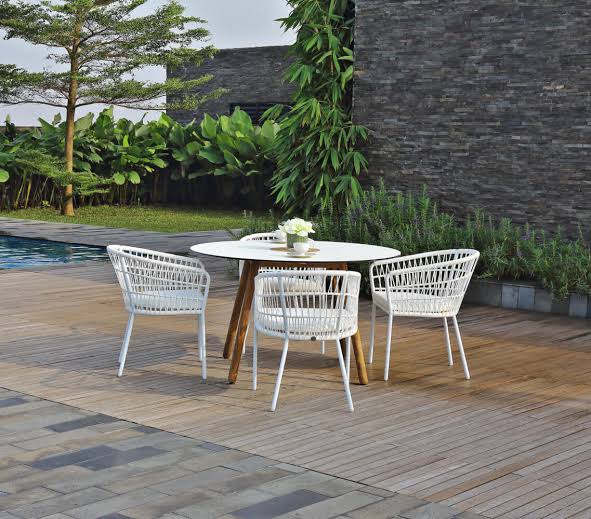
Beyond a single piece, think about how the chair will interact with the rest of your patio layout. A cohesive lawn chair set often comes with matching side tables, umbrellas, or storage benches, streamlining the design and reducing the need for ad‑hoc pairings. If you host weekend barbecues, select a set whose legs are lightweight enough to shuffle around, yet sturdy enough to stay put when guests linger. Choosing a versatile grouping ensures you can reconfigure the space for yoga at sunrise or movie night under the stars without sacrificing style.
How to Choose Luxury Home Furniture That Stands the Test of Time – A Practitioner’s Guide
When I started sourcing pieces for high‑end residential projects, the first mistake I made was chasing “trendy” designs without checking the construction details. In my experience, the true hallmark of luxury furniture lies not in its appearance alone but in the hidden layers of craftsmanship that keep it looking fresh for decades. Below, I walk you through the decision‑making process I rely on, and I’ll share a quick case study so you can see the steps in action.
1. Prioritize Proven Materials Over Flashy Finishes
Solid hardwood frames—mahogany, teak, or European oak—are the backbone of most premium collections. These woods resist warping even when humidity swings dramatically, a factor I’ve observed in coastal homes where temperature shifts twice daily. Veneers can look gorgeous, but they’re essentially a thin skin; if the underlying core is particleboard, the furniture will likely begin to sag within five years. In practice, I ask suppliers for a cut‑section or a durability report before signing a contract.
2. Examine Joinery, Not Just Upholstery
A piece that slides smoothly across a polished floor can still be a ticking time bomb if it’s glued together with cheap adhesives. Hand‑crafted mortise‑and‑tenon joints, dovetail dovetails, or frame‑first construction signal a commitment to longevity. When I tested a set of dining chairs for a client in Jakarta, the ones with concealed dowel joints held up perfectly after a week of intensive use, while the “quick‑assembly” models began to creak after just three meals.
3. Think About the End‑User’s Lifestyle
Luxury furniture should adapt to the way people actually live, not just the way designers imagine they will. For families with young children, stain‑resistant fabrics like solution‑dyed polyester or leather treated with a water‑repellent finish are practical choices. In a recent project, a client loved the sleek low‑back sofa but worried about pets. By swapping the original upholstery for a high‑grade, micro‑woven leather, we kept the sophisticated silhouette while gaining the peace of mind that spills won’t soak into the fibers.
4. Verify the Supplier’s After‑Sales Support
Even the best‑made pieces can benefit from periodic maintenance—tightening hardware, refreshing finishes, or replacing cushions. I always ask for a written service plan and check whether the manufacturer offers on‑site repairs. One vendor I worked with provides a five‑year “care package” that includes annual polishing; this has saved my clients thousands in replacement costs and reinforces the value of the initial investment.
Mini Case: Turning a Mistake Into a Learning Moment
Scenario: A boutique hotel in Bali ordered a set of handcrafted walnut side tables for its lobby. The tables looked stunning, but after two months the hotel staff noticed a faint wobble.
What I Did: I visited the site, inspected the legs, and discovered that the tables were assembled with a single central screw—a cost‑cutting measure hidden beneath the polished finish. I contacted the manufacturer, arranged for the tables to be re‑engineered with reinforced corner brackets, and negotiated a complimentary upgrade to a thicker veneer. The hotel not only regained confidence in the product but also received a “behind‑the‑scenes” story they could share with guests, highlighting their commitment to quality.
Takeaway: Always ask for the construction diagram and, if possible, a physical sample before committing to a large order. A small verification step can prevent costly rework later.
5. Balance Aesthetics With Functionality
Luxury does not have to be ornamental only. I often suggest pieces with built‑in storage—like a coffee table with hidden drawers or a bedroom bench that doubles as a wardrobe. These solutions respect the client’s desire for elegance while solving everyday problems, a trade‑off that high‑end buyers appreciate when they see the tangible benefit.
6. Trust, But Verify the Brand’s Reputation
A brand that showcases its workshop, offers transparent material sourcing, or publishes case studies demonstrates confidence in its work. In my practice, I’ve found that companies willing to share a photo of their artisans at work—especially when the artisans are certified woodworkers—tend to deliver more reliable products. If you can, visit the showroom or request a video tour; the extra effort often reveals hidden flaws or confirms the promised quality.
Final Checklist
| Item | What to Look For | Why It Matters |
|——|——————|—————-|
| Material Certification | FSC‑approved hardwood, genuine leather | Guarantees sustainability and durability |
| Joinery Detail | Mortise‑and‑tenon, dovetail, reinforced corners | Prevents structural failure |
| Finish Resistance | Water‑repellent, stain‑proof, UV‑protected | Extends lifespan in high‑traffic areas |
| After‑Sales Service | Written warranty, maintenance plan | Protects long‑term investment |
| Supplier Transparency | Workshop tours, material sourcing info | Builds trust and reduces risk |
Bottom line: Choosing luxury home furniture is a blend of art and engineering. By scrutinizing the unseen details—materials, joinery, and after‑sales support—you ensure that the pieces you bring into a home or commercial space will retain their allure for years to come. When you combine this disciplined approach with a genuine understanding of the client’s lifestyle, the result is a curated environment that feels both indulgent and practical.
If you’re ready to explore collections that meet these standards, consider visiting [CV. Luxury Home Furniture](https://www.luxuryhomefurniture.co.id). Their portfolio reflects the balance of craftsmanship and functional design that I’ve come to rely on in my own projects.
Also Read: Choosing the Perfect Outdoor Table and Chairs for Your Backyard Oasis