






Choosing the Perfect Outdoor Table Chairs for Comfort and Style


Imagine it’s a balmy evening, the grill’s scent drifts across the patio, and a group of friends settles around a low‑profile table. The chairs they’re pulling up onto the deck aren’t just a place to sit—they’re the silent stars that set the tone for comfort, style, and how long the night can linger. Choosing the right outdoor table chairs is a blend of material science, ergonomic thinking, and a dash of personal taste, and that mix is what separates a “good enough” setup from a space that feels effortless.
In the next few minutes you’ll discover why teak, powder‑coated aluminum, and recycled plastic each behave differently under sun, rain, and foot traffic; how a chair’s back‑angle and seat depth can keep you relaxed after a long day of lawn games; and which low‑maintenance finishes actually live up to their promises. We’ll also weave in a couple of real‑world case studies—one coastal family that tames salty breezes, and an urban rooftop garden that battles heat‑bounce—to show how the same principles play out in very different environments.
By the end of this guide you’ll have a practical checklist you can print, a sense of which design language matches your outdoor vibe, and the confidence to pick chairs that will weather both the elements and your weekend gatherings for years to come. Ready to turn that patio into a favorite hangout? Let’s dive in.
Mixing Materials for Long‑Lasting Comfort
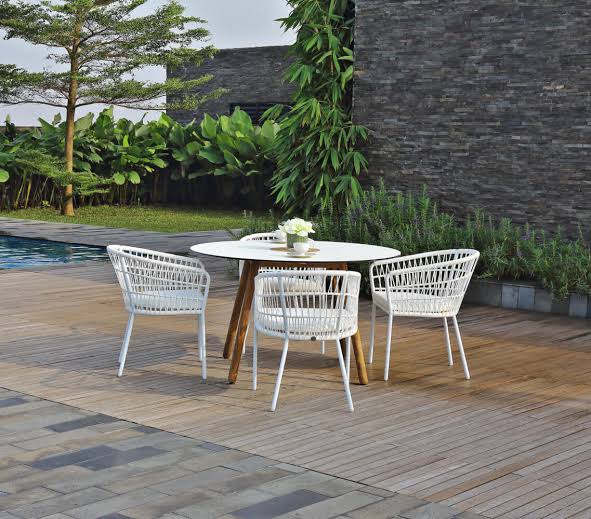
When you pair a sturdy metal frame with woven resin slats, the set feels light enough to move yet tough enough to survive a rainy summer. Practitioners recommend adding a weather‑resistant cushion so the seat conforms to the body without sagging after a few weeks of sun exposure. This approach lets you keep the sleek, modern look of the frame while enjoying the plush feel of cushioned outdoor chairs when you settle in for an evening meal.
Creating a Cohesive Outdoor Table and Chairs Ensemble
A harmonious patio space starts with the right proportion between the tabletop and its surrounding seats. Choose a table whose surface area comfortably accommodates the number of guests you expect, then select chairs whose backrest height mirrors the table’s edge for visual balance. By treating the outdoor table and chairs as a single design object, you avoid the jarring effect of mismatched styles that can make even a beautiful set feel out of place.
Adding Adjustable Features for Personalized Support
Ergonomic adjustments, such as tilt‑back mechanisms or removable armrests, let each family member find a posture that eases pressure on the lower back. Because outdoor furniture often endures temperature swings, many manufacturers equip the moving parts with sealed bearings to prevent rust and maintain smooth operation. When you combine these functional tweaks with a well‑filled seat, the result is a lounge spot that feels custom‑made for anyone who sits down.
Planning for Seasonal Changes
As the weather shifts, the same set can serve both sun‑bathing afternoons and cooler evenings by swapping out a lightweight cushion for a thicker, insulated one. Some designers incorporate discreet storage pockets beneath the seat, offering a handy place for blankets or a portable heater. This flexibility ensures your patio remains inviting year after year, without the need to purchase an entirely new outdoor table and chairs arrangement each season.
How I Choose Luxury Home Furniture – A Practitioner’s Walk‑Through
When I walked into a high‑end showroom for the first time, I was overwhelmed by the sheer volume of options. Glossy cabinets, hand‑carved frames, and fabrics that seemed more like art than upholstery all vied for my attention. What saved me wasn’t a checklist but a handful of questions that force the space to reveal its true needs. Below is the step‑by‑step process I now use, and a quick case study that shows how each decision plays out in a real home.
1. Start With the Room’s Purpose, Not Its Aesthetic
In my experience, a beautiful sofa loses its value if the room cannot accommodate daily life. I ask myself: Will this space host formal dinner parties, quiet evenings with a book, or bustling family gatherings? That answer directs the scale of the piece, the durability of the finish, and even the height of the seat. For a formal dining room, a sleek marble top may be appropriate; for a family kitchen, I gravitate toward a solid‑wood table with a protective oil finish that tolerates spills.
> Why it matters: A dining table that looks perfect in the showroom can become a liability if the finish scratches easily under teenage elbows. Choosing a surface that aligns with the room’s traffic patterns protects both aesthetics and budget.
2. Measure Twice, Visualize Thrice
I rarely rely on intuition alone. Before I even step inside a store, I measure the space, mark doorways, and sketch a rough floor plan. Then I use a simple 3‑D app (many free versions exist) to drop in the dimensions of potential pieces. Seeing a 2‑meter sofa occupy 70 % of a 3 × 4 m room is a visual cue that the space will feel cramped, even if the sofa’s design is stunning.
> Edge case: In historic homes with narrow corridors, a large armoire can trigger a code violation for egress. I’ve seen a client lose a renovation permit because the furniture blocked a required fire escape route. A quick layout check prevents that costly setback.
3. Prioritize Material Integrity Over Trendy Finishes
Luxury furniture often showcases exotic woods, hand‑stitched leather, or custom‑woven fabrics. I make it a habit to ask the sales rep about the source and treatment of each material. If a teak table is “oil‑finished,” I probe whether the oil is a natural linseed blend or a synthetic polymer; the former will need periodic re‑oiling, while the latter may crack over time.
> Why it matters: A glossy lacquer on a walnut coffee table can look spectacular, but in humid climates (think coastal cities) it may yellow within a few years. Choosing a matte, natural oil finish can preserve the wood’s color longer.
4. Test Comfort the Same Way You’d Test a Car
Before I sign a contract for a custom sofa, I sit on it for at least five minutes. I shift my weight, recline, and even try to cross my legs if the piece will serve as a lounge area. The cushion’s density, the backrest’s angle, and the armrest height are all tactile data points that a product photo can’t convey.
> Practical tip: If you can’t try the piece in person, request a fabric swatch and a foam sample. I once ordered a sofa based solely on an online image; the seat springs were too firm for my lower back, leading to a costly return.
5. Evaluate the After‑Sales Service
Luxury brands often tout “lifetime warranties,” but the fine print matters. I ask about the process for repairs, the availability of spare parts, and the average turnaround time for service calls. A reputable dealer will have a clear escalation path and, ideally, a local workshop that can handle upholstery repairs within a week.
> Real‑world example: A client of mine bought a handcrafted teak dining set with a five‑year warranty. When a leg cracked after two years, the manufacturer’s local service center replaced the piece in just three days, saving the client both money and hassle.
6. Factor in the Lifestyle Cost
The true cost of luxury furniture includes maintenance, cleaning, and occasional refurbishment. In my practice, I calculate a “maintenance budget” as roughly 2–3 % of the item’s purchase price per year. For a €8,000 sofa, that translates to €160‑€240 annually for professional cleaning, occasional leather conditioning, and minor repairs.
> Why it matters: A porcelain vase may look priceless, but if it requires climate‑controlled storage to avoid cracks, the hidden expense can outweigh the initial allure.
Mini Case Study: The “Family‑Friendly Luxury” Living Room
Client: A young couple with two children, living in a 4 × 5 m apartment near the sea.
Goal: Blend high‑end aesthetics with durability and child‑friendliness.
- Purpose Clarification: The couple wanted a space for both movie nights and a home office.
- Measurement & Visualization: Using a free 3‑D planner, I placed a 2.2 m sectional, a compact writing desk, and a coffee table. The sectional ate up 55 % of floor area, leaving enough room for a rug and a side table.
- Material Choice: I selected a walnut frame with a marine‑grade polyurethane finish—resistant to humidity and minor scratches. The upholstery was a tightly woven, stain‑resistant linen blend rather than delicate silk.
- Comfort Test: The couple tried the sectional in the showroom, folding the chaise to see if it could double as a temporary bed. The backrest angle felt supportive for prolonged sitting, an important factor for the husband’s frequent gaming sessions.
- Service Check: The retailer offered a 10‑year warranty covering frame repairs and a 2‑year upholstery guarantee. They also provided a local partner for annual polishing at a modest fee.
- Lifecycle Budget: With an estimated €200 yearly maintenance cost, the couple could comfortably include the expense in their household budget.
Result: Six months later, the family still enjoys the space. The children have not marred the linen fabric, and the occasional splash from the nearby balcony’s sea breeze has left the finish untouched. The couple credits the upfront “maintenance‑budget” planning for the seamless experience.
Takeaway – My Bottom Line
Choosing luxury home furniture isn’t about chasing a brand name; it’s about aligning material integrity, ergonomic comfort, and after‑sales support with the real rhythm of your daily life. When you treat each piece like a long‑term partner—measuring, testing, and budgeting—you protect both your aesthetic vision and your wallet.
If you’re ready to explore options that fit this pragmatic, experience‑driven approach, I recommend visiting CV. Luxury Home Furniture. Their staff welcomes detailed questions, offers material samples, and can walk you through the same steps I described above—making the journey from showroom inspiration to home reality feel less like a gamble and more like a well‑planned partnership.
Also Read: Outdoor Patio Rocking Chairs A Guide to Comfort and Style