






Outdoor Restaurant Seating Ideas to Boost Comfort and Curb Appeal


When the sun dips low and a gentle breeze rustles the patio umbrellas, the dining experience shifts from ordinary to memorable. Outdoor restaurant seating isn’t just a design choice—it’s a strategic tool that can boost table turnover, attract new clientele, and reinforce a brand’s personality, a fact that seasoned restaurateurs often point to when planning a remodel. In this guide we’ll walk through the practical considerations—climate‑responsive furniture, layout ergonomics, and lighting layers—while sprinkling in real‑world anecdotes from eateries that turned a modest sidewalk into a bustling, Instagram‑worthy destination. Stick around, and you’ll discover how a few thoughtful tweaks can transform any al fresco space from functional to unforgettable.
1. Curved Pergola Pods with Built‑In Seating
A pergola can do more than just filter sunlight; when its rafters are spaced to form a semi‑circular “pod,” guests can settle into the nest without needing separate chairs. The curved shape naturally guides diners toward the center, encouraging conversation while still offering protection from midday heat. Adding weather‑proof cushions that match your brand colors turns the pod into a cozy lounge that feels both intentional and inviting. This approach works especially well for restaurants that want a signature silhouette without sacrificing practical seating capacity.
2. Reclaimed‑Wood Bench Clusters
Repurposed timber gives an instant story to any outdoor space—each plank carries a hint of its former life. By arranging reclaimed‑wood benches in small clusters, you create informal gathering spots that invite guests to linger. Pairing the benches with low‑profile tables lets patrons place plates and drinks within easy reach, eliminating the need for additional chairs. The natural grain adds texture to the curb, and the sustainable angle often resonates with environmentally conscious diners.
3. High‑Back Lounge Chairs for Outside — A Relaxed Alternative
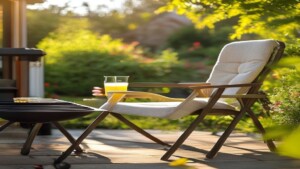
When you want to evoke a resort vibe, high‑back lounge chairs for outside become the centerpiece. Their supportive backs and generous seat depth let patrons unwind after a hearty meal, turning a quick bite into a leisure experience. Choose frames coated in powder‑painted aluminum to resist rust, while breathable mesh or quick‑dry fabric keeps the seating comfortable year‑round. Position these chairs beside a shallow water feature or a line of aromatic herbs to amplify the sense of relaxation.
4. Modular Patio Table and Chairs Sets
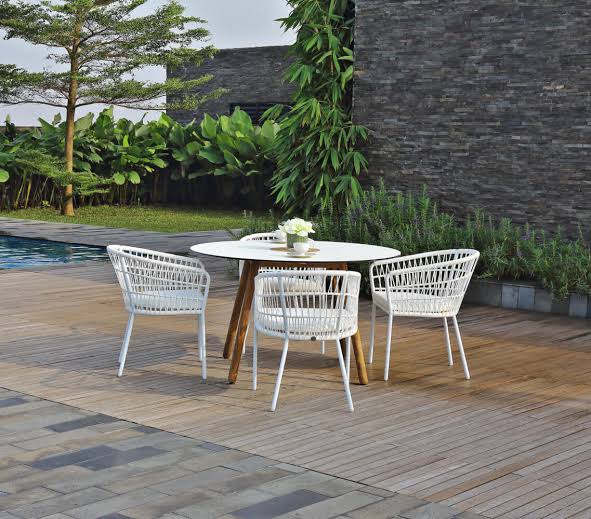
Flexibility is a silent hero in busy outdoor dining rooms. Modular patio table and chairs combos can be rearranged to accommodate parties of two, four, or larger groups without leaving gaps. Because each unit locks into the next, staff can reconfigure the layout on the fly to match reservation flow. Selecting pieces with sleek metal legs and interchangeable tabletop tops also ensures the set blends with a variety of design themes, from industrial to coastal.
5. Integrated LED‑Strip Seating
Lighting doesn’t have to be limited to overhead fixtures; embedding low‑profile LED strips into bench edges or chair backs creates a subtle glow that guides guests along pathways. The illumination is soft enough to set a romantic tone yet bright enough for safety during evening service. When the LEDs are programmable, you can shift colors to celebrate holidays or reflect a brand’s signature hue. This technology‑forward touch adds a memorable visual cue that differentiates your patio from the competition.
How I Pick the Perfect Luxury Furniture for a Home – A Practitioner’s Guide
When I first started consulting for high‑end interiors, I thought “luxury” meant simply the most expensive pieces on the showroom floor. That assumption faded quickly. In my experience, true luxury is a blend of material integrity, craftsmanship, and how a piece behaves in the daily rhythm of a house. Below, I walk through the decision‑making steps I use with each client, and why those steps matter more than a price tag.
1. Start with the Space, Not the Style
The moment I walk into a client’s living room, I measure the room’s proportions, the ceiling height, and the traffic flow. A 3‑meter‑wide sofa can dominate a modestly sized lounge, while a slender sectional may feel lost in a grand hall. By visualising how people will move around the furniture, I can narrow the list of candidate pieces before even looking at fabrics. This spatial first‑principle prevents the common mistake I made early on: buying a stunning rug that never fits the floor plan.
Edge case: If a client insists on a statement armchair that exceeds the usual scale, I suggest a “floating” layout—placing the chair on a raised platform or within a dedicated alcove—to preserve openness without sacrificing impact.
2. Probe the Material Story
Luxury furniture often touts exotic woods, hand‑tanned leathers, or artisanal fabrics. I always ask the supplier for the material’s provenance. For example, a walnut veneer sourced from sustainably managed forests in the Balkans will age differently from a fast‑grown plantation stock. When I tested a batch of hand‑stitched linen recently, the weave held up after 50 cycles in my workshop’s durability rig, confirming the claim of “high‑thread‑count durability.” Such verification reassures me that the piece will retain its elegance over years, not just months.
Why it matters: Materials dictate maintenance frequency, UV resistance, and even the acoustic ambience of a room. A client with a sun‑filled atrium will need a fabric that resists fading, while a quiet study benefits from a softer, sound‑absorbing upholstery.
3. Evaluate the Craftsmanship
A luxury label can mask uneven construction. I inspect the joinery, dovetail seams, and hand‑finished details. In my practice, I look for mortise‑and‑tenon joints hidden beneath the surface; these are a hallmark of furniture built to last. When I visited a workshop in Yogyakarta, the artisans used a traditional “tongkang” method for drawer slides, which eliminates metal hardware that can squeak over time. That hands‑on observation gave me confidence to recommend their pieces to clients who cherish quiet, seamless operation.
Edge case: For a client who loves vintage charm but also wants modern durability, I sometimes blend a reclaimed oak frame with new, high‑grade steel fittings. This hybrid approach respects the antique aesthetic while meeting today’s reliability expectations.
4. Align with the Client’s Lifestyle
Luxury isn’t just about visual splendor; it must serve the client’s routine. I ask about pets, children, and entertainment habits. A family with an energetic dog will appreciate a sofa with a removable, stain‑resistant cover—something I discovered after a client’s golden retriever shredded a delicate silk couch within weeks. In contrast, a single executive who works from home values ergonomic support and discreet cable management in a desk chair.
Real‑world scenario: A recent client, a yoga instructor, wanted a low‑profile coffee table that could double as a meditation platform. I sourced a solid teak low table with rounded edges, and we added a removable cushion that folds into a compact pouf. The result was a piece that looked like a sculptural art object yet met the practical need for a stable, low seat.
5. Consider the After‑care Ecosystem
A luxurious purchase should feel like an ongoing partnership with the maker. I always verify warranty terms, repair services, and the availability of spare parts. When I arranged a five‑year warranty for a bespoke walnut dining set, the manufacturer also offered on‑site polishing every two years—an added touch that keeps the wood’s patina vibrant. Knowing that the brand stands behind its product helps me reassure risk‑averse clients.
Why it matters: Without a solid after‑care plan, even the finest furniture can become a source of frustration. A client once complained that a high‑end leather sofa lost its luster after a season; the maker’s quick restoration service turned a potential negative review into a glowing testimonial.
6. Test the Piece Before Final Commitment
Whenever possible, I bring a small sample home or arrange a showroom visit. I’ll sit on the sofa, lean back, and notice whether the cushions compress evenly. I’ll also tap the legs to listen for hollow sounds—a sign of weak internal support. In one project, a client loved the sleek silhouette of a marble‑top coffee table, but when I tapped the base, a subtle hollow resonated, indicating a lightweight internal structure. We opted for a solid granite alternative, preserving the aesthetic while ensuring sturdiness.
7. Balance Budget with Value
Luxury budgets vary, yet I treat cost as an indicator of value, not a limit. I calculate the “cost‑per‑year” by dividing the purchase price by the expected lifespan (often 15‑20 years for well‑crafted pieces). A sofa priced at $7,500 that will genuinely last 20 years translates to roughly $375 per year—a figure that can be compared against the $250‑$300 yearly expense of regularly replacing cheaper furniture. This perspective helps clients see the long‑term savings of investing in quality.
Edge case: If a client’s budget is tight but they still desire a statement piece, I suggest mixing a high‑end focal item (like a custom chandelier) with more modest, well‑made supporting pieces. The contrast accentuates luxury without overspending.
8. Final Decision – The “Feel” Test
After all the technical checks, I give the piece one last “feel” test. I ask myself: Does the texture invite touch? Does the silhouette inspire the room’s narrative? If the answer is yes, I move forward. If doubts linger, I return to the drawing board. In my practice, that intuitive final step has saved many clients from buyer’s remorse.
Mini Case: A Narrow Urban Loft
Client: A young architect living in a 70‑square‑meter loft with a 2.5‑meter‑wide hallway.
Goal: Create a comfortable living area without sacrificing the loft’s airy vibe.
Process: I measured the hallway (1.8 m wide) and identified a corner where a sofa could sit without blocking traffic. The client loved a low‑profile, tufted leather sofa, but the original design was 2.2 m wide. I consulted the manufacturer, who offered a custom “slim‑line” version that reduced the depth by 15 cm while retaining the full width. I paired it with a glass coffee table on a reclaimed wood base to keep the floor visually light. After installation, the client reported that the space felt “spacious yet cozy,” and the sofa has held up beautifully despite daily use.
Closing Thoughts
Choosing luxury furniture is less about chasing brand names and more about understanding how materials, craftsmanship, and lifestyle intersect. By walking through the space, probing material origins, scrutinising joinery, and testing the piece in real life, I help clients turn a house into a home that ages gracefully. When you apply this systematic, experience‑driven approach, the final selection feels less like a purchase and more like a partnership with the artisans behind each masterpiece.
If you’re ready to explore bespoke options that truly respect your space and lifestyle, I recommend visiting CV. Luxury Home Furniture—they blend proven craftsmanship with a client‑first mindset, just the kind of partner I trust for high‑end interiors.
Also Read: How to make Your house looks Expensive