





Guide to Foldable Chairs Outdoor for Camping, Picnics, and Events


Why the right fold‑in chair can make or break an outdoor day
When you’re setting up a picnic, camping trip, or backyard barbecue, a sturdy yet lightweight seat is the silent hero that keeps the vibe relaxed and the feet happy. Practitioners who spend weekends under the sun know that a good outdoor foldable chair does more than just “fold up”—it balances durability, comfort, and pack‑size so you can focus on the view instead of a wobbling seat. That’s why modern designs often combine aluminum frames (for rust resistance), high‑tenacity polyester fabrics (to shrug off rain), and ergonomic backrests that follow the natural curve of your spine. If you’ve ever left a cheap chair wobbling on uneven ground, you’ll recognize the difference a well‑engineered model makes the moment you sit down.
What to look for before you click “add to cart”
First, think about the typical setting where you’ll use the chair. A coastal campsite calls for UV‑protected mesh and corrosion‑proof hinges, while a mountain trail favors a low‑profile design that folds under a backpack. Second, evaluate the weight‑to‑payload ratio: a 2‑kilogram frame that safely supports 115 lb still feels feather‑light when you carry it up the hill. Finally, consider the “set‑up” factor—chairs with a single‑push‑button mechanism let you unfold in seconds, a feature that seasoned hikers swear by after a long day on the trail. These three lenses—environment, capacity, and ease—give you a practical shortcut to the chair that actually fits your adventures.
Ready to see which models check all the boxes? In the sections that follow we’ll compare the top‑rated options, break down the cost‑benefit of premium fabrics versus budget‑friendly alternatives, and share a field‑tested checklist you can print and take on your next outing. Keep scrolling—you’ll soon be able to choose a chair that feels like it was made for your specific outdoor lifestyle.
Ergonomic Features to Look For
When you’re planning a day on the trail or a relaxed picnic, the way a chair supports your body can make the difference between comfort and fatigue. Look for seats that offer a slight forward tilt; this angle aligns your hips with natural walking posture, reducing strain on the lower back. Many manufacturers now add contoured backrests that cradle the spine, a detail that seasoned hikers often praise after long treks. If you can, test the chair in person – a quick sit‑test will reveal whether the lumbar support feels snug or flimsy.
Adjustable Armrests and Recline Options
Adjustable armrests aren’t just a luxury; they provide a stable place to rest your elbows while you’re setting up a camp stove or unpacking a basket. Some models let you lock the arms in an up‑position for a tighter fold, while others swivel to accommodate different sitting angles. A recline mechanism that lets you shift from upright to a gentle lounge position can turn a basic seat into a mini‑sofa, perfect for sunset watching. Chairs with this flexibility often double as outdoor lounge chairs, giving you the versatility to go from dining to stargazing without swapping furniture.
Ground Clearance and Footpads
Uneven terrain is a given in most outdoor settings, and a chair that sits too close to the ground can collect moisture, dirt, or small rocks. Designs that incorporate raised footpads or a slightly vaulted frame keep the seat elevated, allowing airflow and preventing the fabric from snagging on thorns or grass. This feature is especially valuable for foldable lawn chairs used on damp fields, as the extra clearance helps the material dry faster after a rain shower. A modest lift of an inch or two can dramatically improve both comfort and the chair’s longevity.
Integrated Storage Solutions
Modern portable seating often includes clever pockets or built‑in hooks for essentials like a water bottle, smartphone, or lightweight blanket. These compartments reduce the number of items you need to carry separately, freeing up space in your backpack for food or gear. Some chairs even feature a detachable storage bag that doubles as a small cooler, keeping snacks cool while you relax. When the storage is thoughtfully integrated, the chair becomes a compact station rather than just a place to sit.
Choosing Luxury Home Furniture: A Practitioner’s Guide
When I first helped a client transform a modest city‑apart‑meets‑studio into a polished, upscale lounge, I learned that the “luxury” label isn’t just about price tags. It’s a combination of material pedigree, craftsmanship depth, and how each piece interacts with the space’s lighting, acoustics, and daily flow. Below is the step‑by‑step mindset I use—drawn from years of hands‑on projects and the team at [CV. Luxury Home Furniture](https://www.luxuryhomefurniture.co.id)—so you can make confident choices without getting lost in glossy catalog pages.
1. Start with Material Intent, Not Aesthetic Dream
In my experience, the first mistake many make is picking a design they love and then trying to justify any material that fits. I always ask: What feeling should the room convey when sunlight hits the surface at 10 am?
- Solid hardwood (mahogany, walnut) ages gracefully; it deepens in hue and develops a soft patina that adds warmth over years.
- High‑grade leather (full‑grain, vegetable‑tanned) breathes; it conforms to the sitter’s shape and improves with use, but it is sensitive to humidity spikes.
- Polished metal (brushed brass, polished chrome) reflects ambient light, making a room feel larger, yet it can feel cold if not paired with softer textiles.
Choosing the material first lets you narrow down shapes that truly complement the intended atmosphere, rather than forcing a mismatched finish onto a design you already love.
2. Evaluate Craftsmanship Over Brand Hype
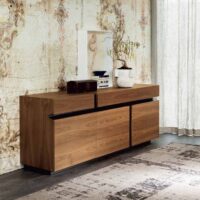
Luxury brands often tout heritage, but the real proof lies in joinery and finishing details. When I examined a bespoke oak sideboard from a well‑known label, I found hidden dowel joints and hand‑planed edges—signs of durability that will survive generational use. In contrast, a cheaper “luxury‑styled” piece used metal brackets hidden under veneer, which can creak after a few years.
Key checks:
- Look for mortise‑and‑tenon or dovetail joints; they indicate load‑bearing strength.
- Examine the finish for even, hand‑rubbed stains rather than sprayed layers, which often chip.
- Ask the dealer about the origin of the wood or leather; reputable workshops trace their supply chain to sustainable forests or tanneries.
3. Balance Form With Functional Trade‑offs
A sleek, low‑profile sofa may look runway‑ready, but in a family home it can become a stumbling hazard for children or pets. I once recommended a slightly higher backrest with subtle tapering for a client who loved minimalist lines yet needed extra lumbar support for long evenings of reading. The compromise added a touch of comfort without sacrificing the clean silhouette.
Edge case: If your ceiling is under 2.4 m (about 8 ft), avoid oversized armchairs that demand deep seating; instead, choose pieces with a lower seat height and compact footprint to preserve circulation flow.
4. Test the Piece in‑situ, Not Just in the Showroom
When I first installed a marble coffee table in a client’s open‑plan loft, I placed a small rug underneath to gauge how the heavier top would sit on different floorings. The table felt stable on polished concrete but produced a faint echo on a light‑wood parquet—an acoustic cue that the room might feel “empty” if the table is the only heavy element.
Mini case:
Anna, a young professional, hired CV. Luxury Home Furniture to redesign her living room. She loved a dark walnut media console but worried about it clashing with her white marble flooring. After a quick mock‑up with a portable sample, we discovered the dark wood actually anchored the space, preventing the marble from feeling too stark. We paired it with a soft, ivory linen sofa and a brass floor lamp, achieving the balance she wanted without a costly redesign.
5. Consider After‑care and Longevity
Luxury furniture often comes with a warranty, but the real value lies in how it’s maintained. Full‑grain leather, for example, benefits from a bi‑annual conditioning with a natural oil—this prevents cracks and keeps the surface supple. Solid wood benefits from periodic dusting with a slightly damp cloth and occasional re‑oil treatment to replenish the finish.
When I asked a fellow artisan about the lifespan of a hand‑crafted teak dining set, he explained that with proper care, the wood can remain vibrant for 30 + years, gradually developing the coveted silver‑grey patina that many consider a hallmark of “well‑lived‑in” luxury.
6. Make the Final Decision With Confidence
By aligning material intent, craftsmanship checks, functional trade‑offs, in‑situ testing, and maintenance plans, you transform the purchase from a decorative impulse into a strategic investment. The result is furniture that not only looks magnificent but also serves your daily life for years to come.
If you’re ready to explore options that match this disciplined approach, I recommend visiting [CV. Luxury Home Furniture](https://www.luxuryhomefurniture.co.id). Their portfolio showcases pieces built on the same principles I’ve outlined, and their consultants are accustomed to walking clients through the exact steps described here.
Remember: luxury isn’t just what you see; it’s what you feel every time you sit, touch, and live with the pieces you choose. Let that feeling guide your decisions.
Also Read: Choosing the Perfect Outdoor Rocking Chair for Comfort and Style