





How to Pick the Ideal Chaise Lounge Chair for Any Space

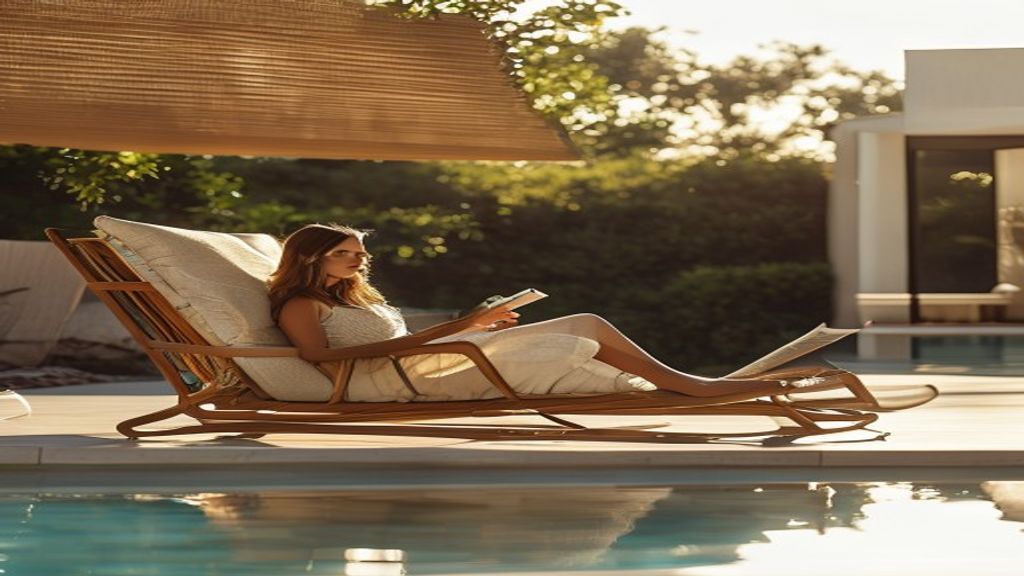
Finding the perfect chaise lounge isn’t just about picking a pretty piece of furniture—it’s about creating a little sanctuary in your home or garden where comfort, style, and durability meet. Whether you’re scrolling for the sleek, mid‑century modern curves that Instagram loves, the sturdy outdoor frame that survives summer storms, or the ergonomic support that eases lower‑back tension after a long day, a well‑chosen chaise can instantly upgrade a space and your wellbeing.
In the next few minutes we’ll walk through the three key factors that separate a “just‑another chair” from a true lounging haven: design intent, material performance, and how the chaise fits into your existing décor. By the end, you’ll be able to spot the subtle details that matter—like the angle of the seat, the type of cushion fill, and the finish that resists UV fade—so you can shop with confidence and avoid costly regrets.
Ready to turn that empty corner or patio nook into a personal retreat? Let’s dive in.
2. Align the Chair With Your Lifestyle and Usage Patterns
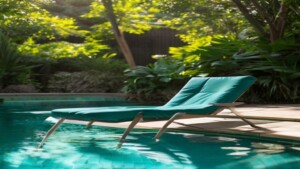
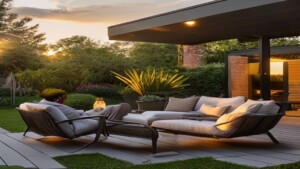
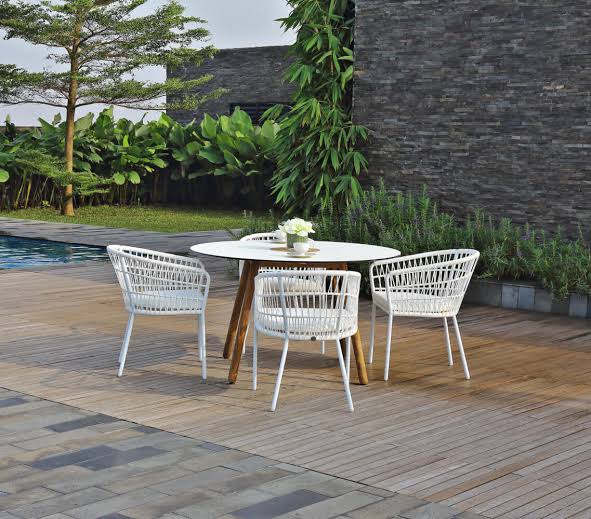
When you know how often the chaise will see daylight, rain, or a splash of pool water, you can narrow the field dramatically. If you spend most weekends by the water’s edge, selecting a model built explicitly as pool lounge chairs ensures the fabric resists chlorine and UV fading—something casual indoor‑only pieces rarely guarantee. Conversely, a family that entertains on a patio year‑round should gravitate toward robust outdoor furniture chairs that combine weather‑proof frames with easy‑clean cushions, keeping the space ready for spontaneous barbecues or sunset gatherings.
3. Factor in Maintenance Without Compromising Style
Even the most stylish chaise can lose its appeal if upkeep becomes a chore. Look for finishes that can be wiped down with a mild soap solution; many modern outdoor‑grade frames are powder‑coated, which helps hide minor scratches while resisting rust. If you prefer fabrics that breathe, consider woven synthetics that shed water naturally—these tend to stay fresh longer than traditional leather, especially when exposed to poolside humidity. By choosing a chair whose care routine aligns with your schedule, you preserve its aesthetic without sacrificing leisure time.
4. Balance Budget With Longevity
Investing in a chaise isn’t just a one‑off purchase; it’s a long‑term partnership with your living space. While high‑end models often feature premium teak or stainless‑steel frames that can outlast budget alternatives, savvy shoppers can find mid‑range outdoor furniture chairs that use reinforced aluminum and UV‑stable fabrics, delivering comparable durability at a friendlier price point. Think of the chair as a functional artwork—spending a bit more now can prevent the need for premature replacement, ultimately delivering better value.
By letting your daily rhythms and maintenance preferences guide the decision, the chaise lounge you select will feel tailor‑made, whether it’s perched beside a pool or tucked into a garden nook.
Choosing Luxury Home Furniture: A Practitioner’s Guide
When I started furnishing my own beachfront villa three years ago, the biggest mistake I made was chasing the “cheapest‑looking” high‑end brand. The piece looked good in the catalog, but the finish wore after a single summer of salty breezes. From that experience I learned that true luxury furniture isn’t just about price tags; it’s about material integrity, joinery craftsmanship, and how the item lives in its intended environment.
1. Materials Matter More Than the Label
Why it matters: Natural wood, solid brass, and high‑grade leather age gracefully, whereas veneer or low‑density foam can crack or sag under normal use.
How to evaluate: Feel the grain. In my workshop, a solid walnut table will have a consistent, oily feel and a subtle scent that you can’t fake with a veneer. Look for a “solid core” or “full‑grain” description in product specs—these terms usually signal that the core isn’t just particleboard.
Edge case: If you love the sleek aesthetic of lacquered surfaces but live in a humid climate, a solid‑wood piece can swell. In such scenarios I opt for a high‑pressure laminate (HPL) finish on a solid core, which gives the visual appeal of lacquer while resisting moisture.
2. Joinery Over Glue
Why it matters: A well‑crafted joint can last decades, even if you relocate the furniture. Glue alone will eventually fail under weight and temperature changes.
How to test: Ask the seller to demonstrate a joint. A classic mortise‑and‑tenon or dovetail will feel tight and show no visible adhesive. In my own home office, the desk I bought from a local artisan still feels solid after moving it twice because the drawer fronts are glued and pegged.
Edge case: Some contemporary designers use hidden metal brackets to achieve a “seamless” look. If the brackets are stainless steel and the wood is properly secured, the result can be both elegant and sturdy—just be sure the brackets are accessible for future repairs.
3. Finish Longevity
Why it matters: A finish protects the underlying material and defines the visual character. Poor finishes can chip, fade, or stain.
How to check: In my experience, a quality finish will have a slight “hand‑rubbed” sheen. Try running a fingertip across a hidden edge; a high‑grade oil or wax finish will feel slightly tacky, not sticky.
Edge case: If you want a matte look but also need resistance to spills, ask for a satin‑oil finish blended with a polyurethane topcoat. The oil preserves the wood’s natural depth, while the polyurethane adds a protective barrier.
4. Sourcing and Sustainability
Why it matters: Luxury furniture that is responsibly sourced not only supports ethical practices but often comes with better durability guarantees.
How to verify: Look for certifications such as FSC (Forest Stewardship Council) or PEFC (Programme for the Endorsement of Forest Certification). In a recent project for a client’s eco‑focused resort, the pieces we sourced from a certified Indonesian manufacturer (the same network that supplies CV. Luxury Home Furniture) delivered both elegance and a clear chain‑of‑custody report.
Edge case: Sometimes a “reclaimed” wood piece sounds sustainable, yet the original wood may have hidden nail heads or inconsistent grain that can affect long‑term stability. I always request a detailed condition report before committing.
5. Service and After‑Care
Why it matters: Luxury items often require periodic maintenance—polishing, tightening, or occasional refinishing. A brand that offers a clear service plan can save you headaches later.
How to assess: When I bought a custom chaise from a boutique workshop, they included a six‑month “settling inspection.” The technician adjusted the leg brackets after the wood expanded, a step that most retailers skip.
Edge case: If you’re buying a limited‑edition designer sofa, the manufacturer may not have a local service center. In such cases, check if they partner with third‑party upholsterers who specialize in the brand.
Mini Case: The Coastal Dining Set
A client of mine wanted a dining table that could survive the salty air of a seaside resort while maintaining a polished mahogany look. After reviewing several catalogs, I selected a solid‑mahogany table with a marine‑grade epoxy finish from a local atelier. The joinery was a hidden dowel system reinforced with brass brackets.
During the first summer, the table endured occasional splashes and the occasional sand‑driven wind without any discoloration or warping. When a minor crack appeared on one leg after two years, the maker shipped a replacement dowel and guided the client through a quick glue‑and‑clamp repair—no furniture was ever replaced, just repaired. This experience reinforced my belief that choosing the right material, joint, and finish is the real foundation of lasting luxury.
Quick Checklist for Your Next Purchase
| Feature | What to Look For | Why It Counts |
|—|—|—|
| Material | Solid wood, full‑grain leather, solid brass | Longevity & natural aging |
| Joinery | Mortise‑and‑tenon, dovetail, hidden brackets | Structural integrity |
| Finish | Oil‑wax blend, satin‑oil + polyurethane | Protection & aesthetic |
| Certifications | FSC, PEFC, or clear provenance | Ethical sourcing |
| After‑Care | Service plan, repair options | Future maintenance |
Bottom line: Luxury furniture is an investment in both aesthetics and durability. By focusing on material honesty, robust joinery, appropriate finishes, and responsible sourcing, you’ll enjoy pieces that not only look stunning today but also tell a story for years to come. If you’re exploring options in Indonesia, a reputable source such as CV. Luxury Home Furniture can provide a range of vetted selections—just remember to apply the checklist above to ensure the pieces truly meet the luxury standard you deserve.
Also Read: Choosing the Perfect Lawn Chair Set for Comfortable Outdoor Living