





Transform Your Space With a Versatile Chaise Lounge Chair

Finding the Perfect Chaise Lounge Chair: What You Really Need to Know
If you’ve been scrolling through endless product pages, wondering whether a sleek, modern chaise will elevate your patio or if a plush, upholstered version belongs in your living‑room reading nook, you’re not alone. Most shoppers aren’t just after a pretty seat; they want a piece that holds up to daily weather, supports the body comfortably, and matches a personal style that feels genuine. In the next few minutes we’ll untangle the three pillars that separate a forgettable chair from a timeless chaise: material durability, ergonomic design, and context‑driven aesthetics. By the end, you’ll be equipped to spot the details that matter, avoid common pitfalls, and confidently choose a lounge that both your body and your interior vibe will thank you for.
Ready to dive deeper? Let’s explore why the right chaise can turn a simple sitting spot into a sanctuary for relaxation and style.
Pair the Chaise with Complementary Pieces
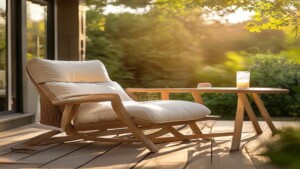
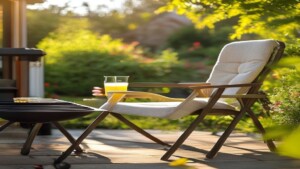
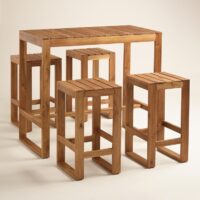
A well‑chosen chaise lounge can become the focal point of any patio, but its true power emerges when it converses with surrounding furniture. By selecting a teak outdoor set that shares a similar hue or grain, you create a subtle continuity that feels intentional rather than assembled. The natural warmth of teak softens the sleek lines of the chaise, while the set’s solid base anchors the relaxed vibe of the lounge.
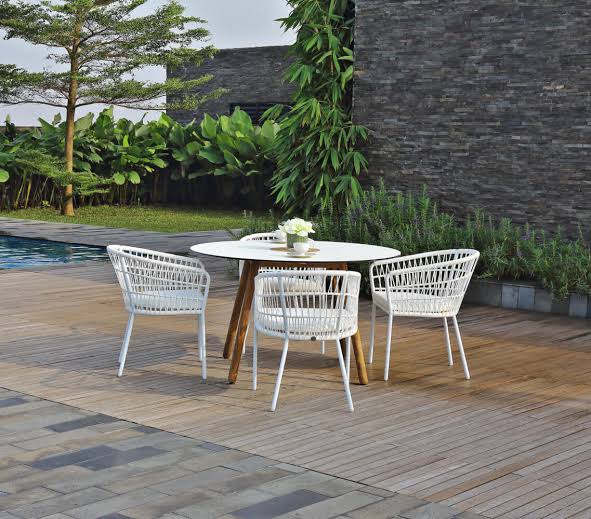
Mixing textures further enriches the scene, especially when you add cushioned outdoor chairs nearby. The plush cushions invite guests to linger, turning a simple sitting area into a conversational nook. Pairing the chaise with chairs that feature softer fabrics also balances the hard‑edge silhouette of the lounge, ensuring the space feels inviting without sacrificing style.
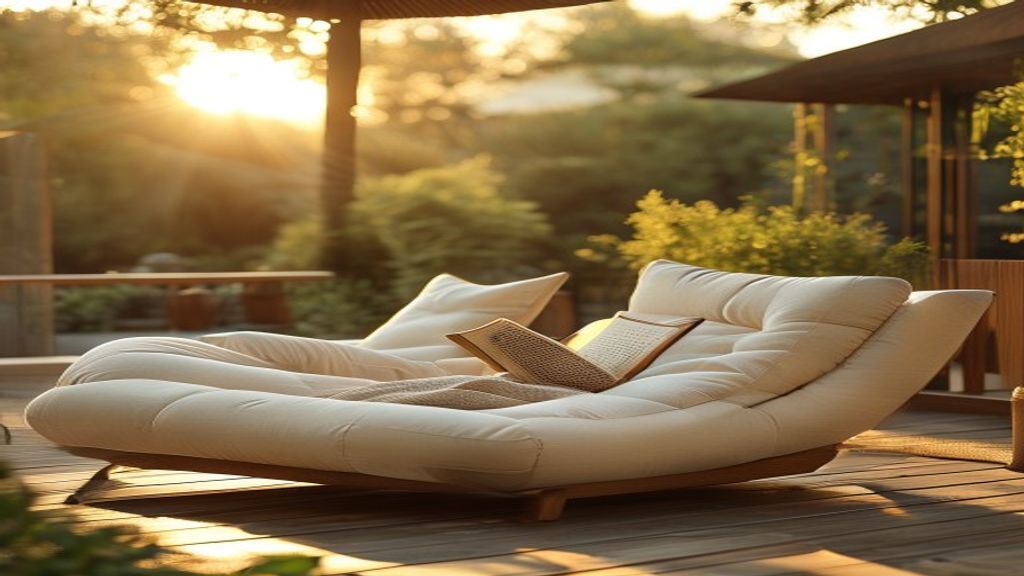
Beyond aesthetics, the arrangement influences how the space functions day to day. Position the chaise so it faces a sunrise or sunset, then flank it with the chairs at a comfortable angle for dialogue. This layout encourages both solitary relaxation and group gatherings, giving your outdoor retreat the flexibility to adapt to any mood or occasion.
How to Choose Luxury Furniture That Really Works for Your Home – A Practitioner’s Guide
When I first started sourcing high‑end pieces for a client’s Manhattan loft, I quickly learned that “luxury” isn’t just a price tag. It’s a combination of material integrity, timeless design, and how the piece lives in everyday use. Below is the step‑by‑step framework I rely on, broken down with the why behind each decision and a real‑world snapshot you can picture in your own space.
1. Start with the Core Material, Not the Finish
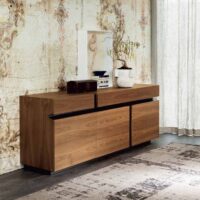
Luxury furniture typically rests on three material pillars: solid wood frames, premium upholstery, and metal or stone accents. Solid‑wood frames—think Australian oak, European walnut, or sustainably harvested teak—provide structural stability that plywood or MDF simply can’t match. In my experience, a solid‑wood sofa will retain its shape for decades, whereas a veneer‑over‑MDF couch often sags after just a few years of regular sitting.
Why it matters: The core material determines load‑bearing capacity, resistance to warping, and how well the piece ages. If you love the look of a glossy lacquer but the underlying structure is cheap, the finish will soon chip, exposing the weaker core.
Mini‑case: I once installed a walnut dining table for a client who hosted weekly dinner parties. After two years, the table’s joints were still tight, while a neighboring friend’s particle‑board table started creaking at the first sign of weight. The difference boiled down to the hidden wood joinery.
2. Evaluate Upholstery Fabrics Through the Lens of Use
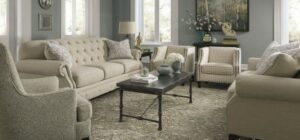
Luxury upholstery isn’t just about silk‑smooth feel; it’s about durability under the conditions you’ll actually subject it to. Natural fibers like leather, linen, and high‑quality wool are forgiving but require maintenance. Performance fabrics (e.g., Sunbrella or Crypton) blend the tactile comfort of natural fibers with stain‑resistance—ideal for homes with kids or pets.
Trade‑off: Leather ages beautifully, developing a patina that many consider a hallmark of character, but it can scratch easily in high‑traffic zones. Performance fabrics resist spills but may lack the subtle sheen of traditional silk or cashmere.
When I tested a walnut–leather armchair in a client’s home office, the leather’s warm patina complemented the wood, yet the client’s frequent coffee breaks demanded a protective coating. A light, breathable leather protector gave the best of both worlds—preserving the tactile quality while guarding against accidental spills.
3. Look Beyond Aesthetics: Ergonomics and Scale
Even the most sculptural piece will feel “off” if it doesn’t fit your body or the room’s proportions. I always measure the seat depth and back height first, then compare them to the average human dimensions—generally a seat depth of 18‑22 inches suits most adults, while a backrest height of 32‑36 inches offers good lumbar support.
Why it’s essential: A stunning low‑profile sofa might look perfect in a photo, but if the seat is too shallow for your family’s longer legs, it becomes a source of discomfort rather than a focal point.
Edge case: In a coastal villa I consulted on, the client wanted a low, chaise‑like sofa to maintain a breezy aesthetic. Because the space was primarily for lounging, I suggested a modular system with interchangeable sections—allowing the piece to transform from a short chaise to a deeper lounge when needed, without sacrificing style.
4. Assess the Joinery and Construction Techniques
Luxury manufacturers often advertise “hand‑crafted” pieces, yet the real indicator of quality lies in the joinery. Mortise‑and‑tenon, dovetail, and finger‑joint connections signal that the piece will hold up under repeated stress. In contrast, cam‑lock or particle‑board staples, though cheaper, tend to loosen over time.
Real‑world example: When I examined a Poltrona Faust sofa, I found that each cushion frame was reinforced with a mortise‑and‑tenon joint, a detail that explains why the sofa still feels solid after a decade of daily use.
If the budget is tighter, look for a hybrid approach: a solid‑wood frame paired with high‑quality veneer on non‑structural surfaces can deliver a similar aesthetic while keeping costs reasonable.
5. Factor in Maintenance and Longevity
Every luxury piece demands some level of care. Leather needs conditioning every few months; wood benefits from periodic oiling or polishing; fabric upholstery may require gentle vacuuming and professional cleaning. I recommend creating a simple maintenance schedule at the point of purchase—something as straightforward as “wipe leather weekly, oil wood quarterly.”
Why this matters: Proper upkeep not only preserves the visual appeal but also protects your investment. A client who neglected the leather on a handcrafted armchair saw cracks develop within a year; a quick quarterly conditioning would have prevented that.
6. Consider the Environmental and Ethical Angle
Increasingly, discerning buyers ask whether their furniture aligns with sustainability goals. Look for certifications such as FSC (Forest Stewardship Council) for wood, Leather Working Group for leather, or OEKO‑Tex for fabrics. While these labels may add a modest premium, they assure you that the material source respects ecological standards.
Edge case: A boutique designer in Bali uses reclaimed teak from old shipping pallets—creating a unique patina while minimizing new timber demand. If you love the story, such pieces can become conversation starters, adding emotional value beyond the visual.
7. Bring It All Together: A Mini‑Project Walkthrough
> Scenario: A couple moving into a renovated loft wants a dining set that feels upscale but can host weekend brunches with four friends.
>
> 1. Material choice: I suggested a solid‑wood table in Tasmanian oak, featuring a hidden steel support to keep the surface level without visible brackets.
> 2. Upholstery: For the chairs, I chose high‑grade leather that ages to a rich patina, paired with a protective, breathable conditioner.
> 3. Ergonomics: The table height was set at 30 inches, with a seat depth of 20 inches—comfortably accommodating both tall and short guests.
> 4. Joinery: The table uses a mortise‑and‑tenon construction, ensuring the legs remain sturdy even when the family leans on them during lively meals.
> 5. Maintenance plan: A simple quarterly leather conditioning routine and an annual light sanding of the oak surface keep the set looking fresh.
The result? A dining ensemble that feels both luxurious and lived‑in, with the couple reporting that the table remains the centerpiece of their gatherings three years later—no wobble, no unsightly scratches.
8. Final Checklist Before You Commit
| Item | Why It Matters | Quick Test |
|——|—————-|————|
| Solid‑wood frame | Structural integrity | Tap the leg—solid wood gives a deep, resonant sound. |
| Joinery type | Longevity | Look for visible mortise‑and‑tenon or dovetail joints. |
| Upholstery | Comfort vs durability | Press the fabric—premium fibers should feel supple, not stiff. |
| Scale | Fit for space and body | Measure seat depth and back height against your body. |
| Maintenance plan | Preserves value | Ask the seller for recommended care schedule. |
| Sustainability label | Ethical sourcing | Verify FSC or similar certifications on the tag. |
Closing Thoughts
Choosing luxury furniture is a blend of art and engineering. By scrutinizing the hidden structure, thinking through how you’ll actually use the piece, and respecting the long‑term care it needs, you can avoid the trap of paying for a beautiful façade that quickly loses its charm. In my practice, the most rewarding projects are those where the client sees the same piece evolve—adding stories, subtle wear, and personal touches—while still feeling as exquisite as day one.
If you’re ready to start curating pieces that stand the test of time, remember: the luxury lies not just in the price, but in the thoughtful decisions you make today. Happy furnishing!
Also Read: Choosing the Perfect Lawn Chair Set for Comfortable Outdoor Living