







How to Choose Folding Chairs for Outside Comfort Durability and Style


Choosing the right folding chair for outdoor use isn’t just about finding a seat that folds flat—it’s about matching durability, comfort, and style to the climate and the events you host. If you’ve ever taken a cheap plastic chair to a garden party only to see it warp under the sun or wobble on uneven ground, you know how quickly the wrong choice can ruin the vibe. Practitioners who outfit patios and event spaces generally recommend looking at three core factors: material resilience (like powder‑coated aluminum or UV‑protected steel), weight capacity and stability, and weather‑proof cushioning.
In the next few minutes we’ll walk through why each of those factors matters, share real‑world examples—think a coastal wedding versus a backyard barbecue—and reveal the handful of features that separate a “good enough” chair from a “stay‑outside‑all‑season” favorite. By the end of this guide you’ll be able to spot the quiet details that keep a chair from rusting, creaking, or folding up after a single use, so you can enjoy your next outdoor gathering without a second‑guessing seat.
Maintenance and Longevity
Even the sturdiest folding lawn chairs will lose their charm if you neglect simple upkeep. Start by dusting the frame after each event; a soft brush removes grit that can scratch powder‑coated steel. For fabric surfaces, a mild soap solution wiped with a damp cloth restores colour without weakening water‑repellent finishes. When you store them in a dry garage or shaded shed, the protective coating stays intact longer, and rust‑free hinges keep the chair ready for the next gathering.
Cleaning Strategies for Different Materials
If your foldable lawn chairs feature a woven polyester seat, spot‑treat spills with a spray bottle of diluted vinegar before rinsing. Wooden slats, though less common, benefit from a quick rub with a linseed‑oil blend to prevent cracking caused by seasonal humidity swings. Metal frames that show a faint sheen can be revived using a non‑abrasive polish specifically formulated for outdoor alloys. Always test any cleaning agent on a hidden seam first to ensure the finish holds up.
Smart Storage Solutions
Compact designs shine when you tuck them away in a corner cabinet or under a deck railing. Adding a breathable canvas bag protects the upholstery from dust while allowing air circulation, which deters mold growth in damp climates. For larger families or event planners, a dedicated rack with labeled hooks saves time and keeps the chairs from leaning against walls where they might warp. Remember, a well‑organized stash reduces the risk of accidental dents during the next set‑up.
Balancing Price with Performance
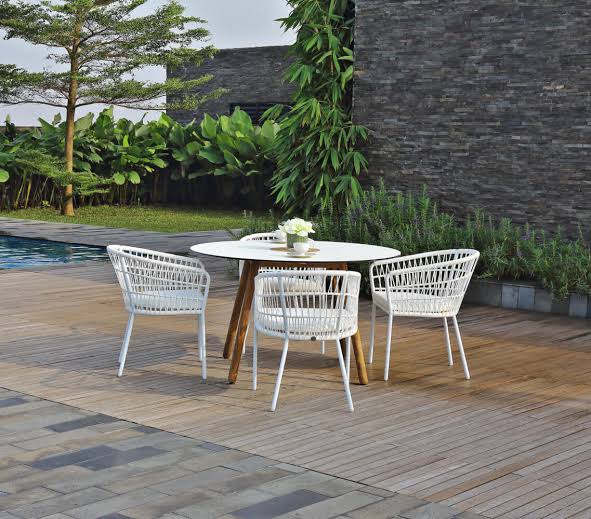
Budget‑friendly options often use aluminum frames and basic canvas, delivering decent durability for occasional picnics. Mid‑range models typically combine rust‑proof steel with reinforced mesh, offering a longer lifespan without a premium price tag. High‑end selections may include teak accents or patented hinge systems that lock in place, justifying a higher investment for frequent outdoor use. Weighing how often you’ll deploy the chairs helps you match cost to real‑world demand, ensuring you don’t overpay for features you’ll rarely need.
Choosing Luxury Home Furniture: A Practitioner’s Walk‑Through
When I first started consulting for high‑end interior projects, I quickly learned that “luxury” isn’t just a price tag—it’s a blend of material pedigree, craft tradition, and how a piece lives in a real home. In my experience, the biggest mistake new buyers make is focusing on style alone and overlooking the subtle cues that reveal long‑term durability. Below is a step‑by‑step guide that reflects what I’ve consistently seen work on the job floor, punctuated by a real‑world scenario that will help you picture the process.
1. Start With the Material Story
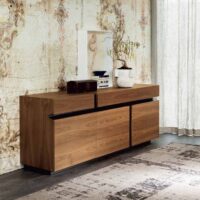
Why it matters: The core of any luxury item is the raw material. Solid teak, for example, ages gracefully because its natural oils resist warping, while a veneer‑over‑MDF may look stunning at first but can delaminate when humidity shifts.
How to verify: I always ask the supplier for a material data sheet or, if possible, inspect a cross‑section. A quick finger‑press on the grain can reveal whether the wood is genuine or a thin veneer. When the grain feels dense and the weight feels solid, you’re likely dealing with a genuine hardwood.
Edge case: Some boutique manufacturers use reclaimed wood to add character. In those cases, the patina tells a story, but you must also confirm that the reclaimed piece has been properly treated against pests and moisture.
2. Evaluate Craftsmanship, Not Just Finish
Why it matters: A flawless lacquer can mask sloppy joinery. Hand‑crafted dovetail joints, mortise‑and‑tenon connections, and hidden dowels are hallmarks of furniture that can survive generations.
How to test: In my practice, I run a light finger‑tap along the seams; a clean “ping” usually indicates a tight joint. I also flip the piece upside down (when possible) to check for uneven glue lines—those are red flags.
Edge case: Some high‑end pieces intentionally expose seams as a design statement. In those instances, the seam should be deliberately shaped, not jagged or uneven.
3. Consider the Design’s Compatibility With Your Lifestyle
Why it matters: Luxury furniture often features bold silhouettes that can dominate a room. If you have a busy family or pets, the practicality of the design becomes crucial.
How to decide: I map out daily traffic patterns in the space and imagine how the piece will be accessed. A low‑profile sofa works well in a minimalist loft, while a high‑back Chesterfield might dominate a formal living room but impede movement in a narrow hallway.
Edge case: Modular luxury sofas let you reconfigure sections as needs change. This flexibility is great for growing families, but each module must still meet the quality standards outlined above.
4. Verify Service Guarantees and After‑Care
Why it matters: A reputable maker will stand behind their work with a clear warranty and a responsive service network. In my experience, a three‑year structural warranty plus a five‑year finish guarantee is a solid baseline for premium pieces.
How to confirm: I ask for a written warranty document and check whether the company offers on‑site repairs or a local service hub. A quick call to their support line can reveal how quickly they respond—an often‑overlooked indicator of long‑term reliability.
Edge case: Some artisans provide a lifetime guarantee but require the buyer to bring the piece back to the workshop for any repair. Weigh the logistics against the guarantee’s value before committing.
5. Mini Case: A Real‑World Decision
Scenario: A client of mine was redesigning a beachfront villa in Bali. They loved the sleek, lacquered walnut coffee table showcased on the website of CV. Luxury Home Furniture. In my experience, coastal humidity can stress lacquer finishes, so I suggested a matte oil‑treated teak alternative that the same maker offered.
What happened: We ordered a sample slab, tested it with a salt‑spray solution (simulating sea breeze), and observed no discoloration after 48 hours. The client approved the teak version, which blended beautifully with the ocean view while standing up to the salty air. The final piece arrived on schedule, and the client later reported that, after two years, the table still looks fresh—proof that a small material tweak can preserve that luxury feel for longer.
6. Where to Find Trusted Luxury Pieces
If you’re ready to explore a curated collection that balances aesthetic ambition with practical durability, visit [CV. Luxury Home Furniture](https://www.luxuryhomefurniture.co.id). Their catalog showcases items that have passed the material‑and‑craft tests I described, and their service team is accustomed to handling the nuanced questions that arise when investing in high‑end interiors.
Closing Thoughts
Choosing luxury furniture isn’t about chasing trends; it’s about aligning material integrity, craftsmanship, and lifestyle needs. By probing the material story, inspecting joinery, visualizing daily use, and confirming after‑care policies, you’ll avoid the pitfalls that many first‑time buyers encounter. And when you partner with a provider that respects these steps—like the team behind the link above—you’ll end up with pieces that feel as good to live with as they look on display.
Take the time to test, ask, and imagine—your home deserves nothing less.
Also Read: How to Pick the Right Table and Chairs for Outside Spaces