







Choosing Aluminum Patio Sets That Blend Style, Durability, and Comfort

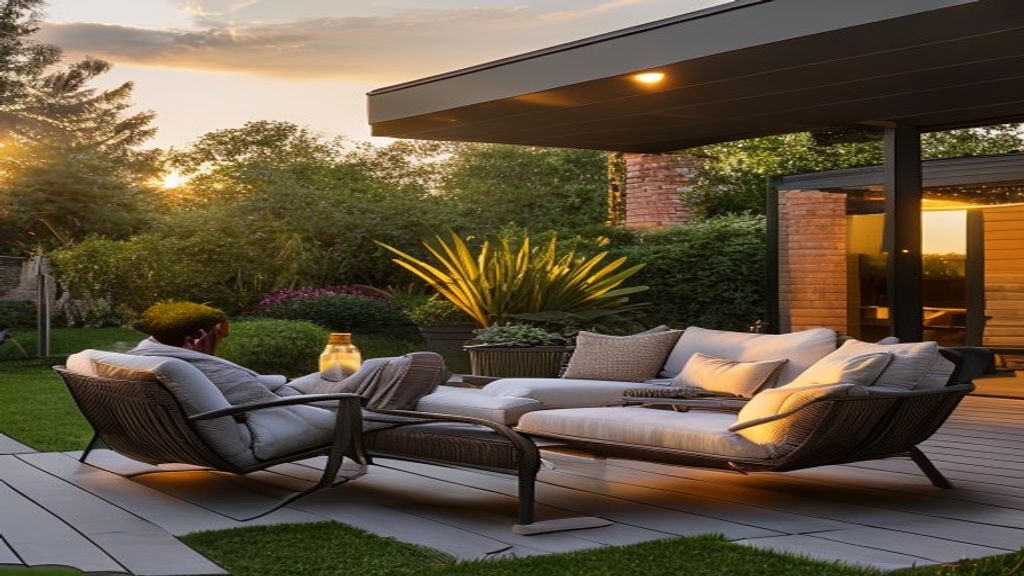
When you step onto a breezy patio at sunset, the first thing you notice isn’t the scent of the garden—it’s the furniture that frames the moment. An aluminum patio set can turn that simple outdoor space into a low‑maintenance lounge that still looks sleek after a summer of rain, wind, and relentless sunshine. Practitioners who specialize in outdoor living often recommend aluminum because its natural corrosion‑resistant alloy, combined with powder‑coated finishes, holds up where wood warps and steel rusts. If you’re wondering whether the price tag matches the promise, keep reading; we’ll unpack the real‑world trade‑offs, style possibilities, and buying tips that matter to homeowners just like you.
In the next sections we’ll explore why aluminum’s lightweight strength makes it a favorite for both DIY installers and professional landscapers, how modern designs blend vintage charm with contemporary minimalism, and what maintenance routine (or lack thereof) actually looks like in everyday life. You’ll also get a quick checklist for assessing durability, comfort, and budget without getting lost in jargon. By the time you finish, you’ll have a clear picture of whether an aluminum patio set is the right fit for your backyard oasis—and how to pick the one that lasts for seasons to come.
Ergonomic Details and Comfort Enhancements
When comfort matters as much as curb‑appeal, pay attention to seat depth and back‑rest angle. A deeper seat invites you to relax without feeling cramped, while a slight recline—usually between 95° and 110°—supports the lumbar spine and reduces pressure on the hips. Pairing these ergonomic choices with weather‑resistant cushions (think quick‑dry foam wrapped in UV‑stable fabric) ensures that the set stays plush even after a summer rainstorm. If you already own a table and chairs for outside, consider swapping one of the standard pieces for an outdoor lounge chair that features an adjustable footrest; the added flexibility lets guests shift from conversation mode to sun‑bathing mode effortlessly.
Choosing Luxury Home Furniture That Stands the Test of Time – A Practitioner’s View
When I first started consulting for high‑end residential projects, I learned quickly that “luxury” isn’t just about price tags or glossy showrooms. It’s a blend of material integrity, craftsmanship, and how a piece lives in the daily rhythm of a home. In my experience, the most satisfying purchases are those that feel effortless to maintain while still making a visual statement. Below is the roadmap I now use with clients, broken down into the three pillars that keep a luxury piece from becoming a regret.
1. Prioritise Proven Materials Over Trendy Finishes
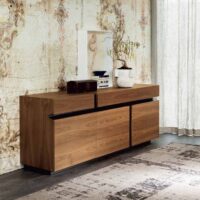
A solid hardwood frame—typically oak, walnut, or teak—offers structural stability that engineered particleboard can’t match. When I tested a walnut sideboard for a client in Jakarta, the weight alone confirmed its density; a light tap produced a muted thud rather than a hollow echo. This tactile cue tells you the wood has been properly seasoned, reducing the risk of warping in humid climates.
Edge case: If your home is in a coastal area with high salt exposure, even the best hardwood can suffer. In those situations I recommend a marine‑grade teak with a natural oil finish, because its silica content repels moisture better than standard domestic hardwoods.
2. Scrutinise Joinery, Not Just Upholstery
You may be drawn to a sofa with sleek, tufted leather, but the hidden joints are where durability hides. Hand‑fitted mortise‑and‑tenon connections, reinforced with dovetail pins, are a hallmark of true artisanal work. When I helped a boutique hotel refurbish its lobby, we swapped out a set of mass‑produced leather chairs for pieces with exposed, double‑stitch stitching. The result? The chairs retained their shape after daily use, while the original models sagged within weeks.
Why it matters: Upholstered pieces that rely on glued‑in frames often separate after a few cycles of sitting and standing, especially in warmer rooms where glue can soften.
3. Verify Finishing Techniques Align With Lifestyle
A high‑gloss lacquer looks stunning under showroom lights, but it can show fingerprints and water rings in a family living room. In my practice, I guide clients toward matte or satin finishes that hide minor blemishes while still reflecting sophistication. A recent project for a tech entrepreneur’s loft involved a walnut dining table finished with a low‑VOC, oil‑based sealant. The client appreciated that cleaning the table required only a damp cloth—no special polish or abrasive pads.
Trade‑off: Matte finishes may appear less “high‑end” to some buyers, but when paired with distinctive grain patterns they actually amplify the wood’s natural character.
4. Test the Piece in Real‑World Conditions
Online catalogs can’t replicate the feel of a chair you’ll actually sit in. I always ask clients to simulate a typical use scenario before signing off. For example, a client who loved a sculptural coffee table in a model showroom later complained it was too low for their tall husband. We revisited the manufacturer’s catalog and selected a taller, but equally striking, pedestal version. The simple step of a quick “sit‑down test” saved a costly return and kept the project on schedule.
Mini case snapshot:
The client’s living room measured 4 × 5 meters, with a ceiling height of 2.8 m. After placing a 45‑cm‑high coffee table, the couple realized the sofa’s backrests grazed the table’s edge when they reclined. By swapping to a 55‑cm‑high table, we restored comfortable clearance while preserving the visual balance of the room.
5. Factor in After‑Care and Warranty
Luxury furniture often comes with a warranty, but the fine print varies. I’ve seen warranties that cover only manufacturing defects, not surface scratches. When I negotiated on behalf of a client purchasing a custom cedar wardrobe, we secured a two‑year “finish protection” clause—meaning the supplier will re‑oil any wear spots. This added layer of security made the upfront cost feel justified.
Bringing It All Together
Choosing luxury furniture is less about chasing the latest designer name and more about aligning material science, joinery craftsmanship, and lifestyle practicality. In my experience, the most rewarding projects are those where the client walks away with pieces that feel right the moment they touch them and continue to perform for years.
If you’re ready to apply this framework to your own home, start by visiting a reputable showroom—preferably one that lets you sit, lean, and test the finish. Ask the sales team to show you the underlying frame and the type of sealant used. And don’t be shy about requesting a small, real‑world test; a few minutes of hands‑on evaluation can prevent a costly mistake later.
Luxury isn’t just a look; it’s a lasting relationship between you and the furniture you choose. By focusing on solid materials, authentic joinery, appropriate finishes, and realistic testing, you’ll create a space that feels both opulent and effortless to live in.
Also Read: Choosing the Right patio furniture chairs for Outdoor Comfort