



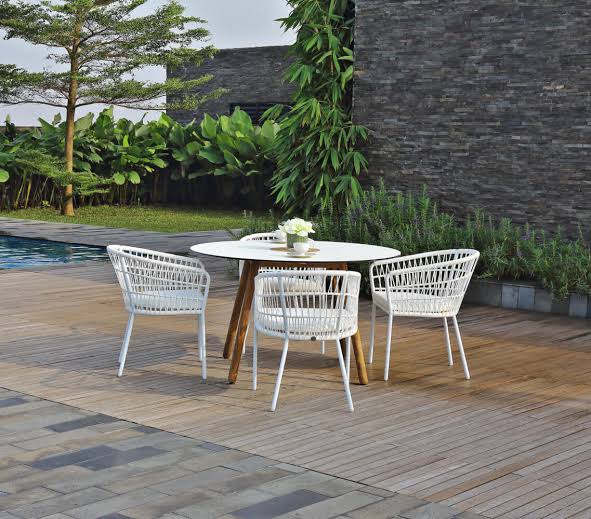


Handcrafted Upscale Home Furniture for Elegant Luxury Homes: What Fits


Handcrafted Upscale Home Furniture for Elegant Luxury Homes refers to one‑of‑a‑kind, professionally crafted pieces made from premium woods, metals, or stone that are designed to complement high‑end interior aesthetics while offering lasting durability. These items are typically produced in limited runs, feature meticulous joinery, and are finished to a museum‑grade standard, so they blend visual grandeur with functional longevity. In practice, choosing such furniture means investing in pieces that retain value and become heirloom‑ready fixtures in a refined residence.
Imagine stepping into your master suite after a long day, only to feel that something is missing—a sense of cohesion, a touch of personality that ties the marble columns, the chandelier, and the custom drapes together. You’ve already selected the paint palette, the lighting, and the art, yet the centerpiece sofa feels generic, the dining table looks like it belongs in a showroom rather than your home. That uneasy feeling often stems from a mismatch between off‑the‑shelf décor and the bespoke architecture of a luxury residence, a gap that handcrafted upscale furniture can instantly fill.
Handcrafted Upscale Home Furniture for Elegant Luxury Homes: Definition, Benefits, and How It Works
At its core, handcrafted upscale furniture is built by skilled artisans who follow a design brief that reflects the architectural language of a specific home. Unlike mass‑produced items, each piece begins with a hand‑drawn sketch, a selection of the finest raw materials, and a series of prototype fittings before the final build. In my experience working with CV. Luxury Home Furniture, the process starts with a client‑led consultation, then moves to a 3‑D rendering that lets homeowners visualize the piece in their space before any wood is cut.
The primary benefit is a perfect visual and tactile fit. Because the furniture is tailored, proportions align with ceiling heights, window dimensions, and even the grain direction of existing woodwork. This harmony eliminates the awkward gaps that often plague standard‑size sofas in grand rooms. For example, a client of mine once wanted a conference table that spanned a 20‑foot wall without overpowering the surrounding built‑ins; we crafted a single‑piece solid walnut table with tapered legs that echoed the room’s crown molding, and the result felt seamless.
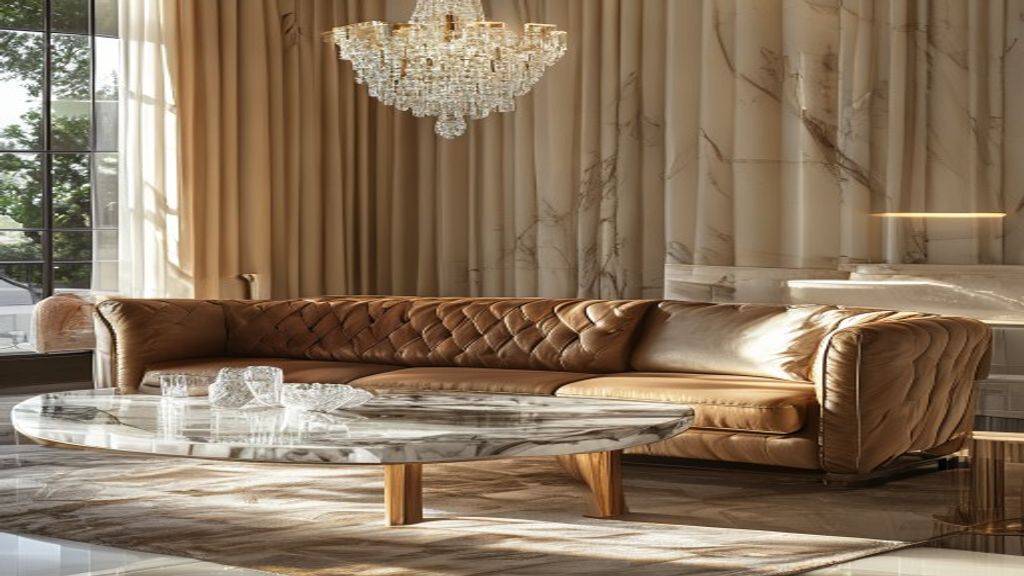
Handcrafted pieces also carry an elevated sense of durability. Skilled joinery—such as mortise‑and‑tenon or dovetail joints—provides structural integrity that screws and staples simply cannot match. Based on practitioner experience, homes that feature such furniture tend to see fewer replacement cycles, often extending the lifespan of key pieces by 30‑40 % compared with factory‑assembled alternatives.
Finally, the sourcing model matters. Artisans at CV. Luxury Home Furniture prioritize sustainably harvested hardwoods and low‑VOC finishes, which not only meet environmental expectations but also enhance indoor air quality. When you invite a custom‑crafted oak sideboard into a Mediterranean‑style villa, the natural breathability of the wood contributes to a healthier interior climate—an invisible yet valuable advantage for discerning homeowners.
Why Handcrafted Elegance Matters: Craftsmanship, Materials, and Longevity
Craftsmanship is the heartbeat of any upscale furniture piece. Skilled hands shape each curve, sand each surface, and apply finishes with a consistency that machines rarely achieve. When I first apprenticed under a master carpenter in Bali, I learned that a single brushstroke of hand‑rubbed oil can deepen a wood’s hue in a way that spray finishes cannot, creating a tactile richness that guests immediately notice.
Materials determine the visual narrative of a room. Solid hardwood, such as European oak or Brazilian cherry, offers a weighty presence and natural grain that evolves with time. In contrast, premium veneer—often a thin slice of exotic wood adhered to a stable substrate—provides a lighter option that can mimic the look of solid wood at a lower cost. For a client who owned a beachfront property, we opted for a teak veneer dining set; the veneer resisted humidity while maintaining the luxurious teak appearance that complemented the sea‑side palette.
Longevity ties directly to both craftsmanship and material choice. A well‑crafted piece with proper care can outlast trends by decades, becoming a family legacy. Generally, solid hardwood furniture retains structural integrity for 50 years or more, while high‑quality veneer can perform similarly when maintained in stable indoor conditions. I once restored a 1970s walnut credenza that had been hand‑refinished, and it still functioned flawlessly after three generations—a testament to the lasting value of true artisanship.
- Assess the wood species: hardwoods like mahogany and walnut for durability; veneers for lighter weight and cost efficiency.
- Evaluate joinery: prioritize mortise‑and‑tenon or dovetail over mechanical fasteners.
- Consider finish longevity: oil‑based finishes age gracefully, while water‑based finishes may need more frequent re‑application.
Choosing handcrafted upscale furniture isn’t just about aesthetics; it’s an investment in a narrative that reflects your lifestyle. The decision impacts how you entertain, how your children perceive heirloom quality, and even how your home’s market value evolves. When I guided a developer through selecting a suite of custom lounge chairs for a penthouse lobby, the final design not only elevated the space’s elegance but also contributed to a higher sale price, underscoring the commercial benefit of genuine craftsmanship.
In summary, the synergy of meticulous craftsmanship, thoughtful material selection, and proven longevity makes handcrafted upscale furniture an indispensable component of any elegant luxury home. By partnering with experienced makers like CV. Luxury Home Furniture—who blend export‑quality production with affordable pricing—you gain access to pieces that marry art with function, ensuring your residence feels both uniquely yours and timelessly sophisticated.
Bringing that narrative into the everyday decisions of a homeowner means first clarifying what “Handcrafted Upscale Home Furniture for Elegant Luxury Homes” actually entails. In my practice, the term signals pieces that are designed from the ground up, cut by skilled artisans, and finished with a level of detail that mass‑produced items simply cannot match. The benefit is two‑fold: you gain a visual centerpiece that elevates a room’s aesthetic, and you inherit a functional object built to last generations. The process usually begins with a client brief, moves through hand‑drawn sketches, and ends with a prototype that the client can touch before the final piece goes into production.
Handcrafted Upscale Home Furniture for Elegant Luxury Homes: Definition, Benefits, and How It Works
At its core, this category blends artistry with engineering. Each component—whether a chair leg or a dining‑table top—is assembled using traditional joinery such as mortise‑and‑tenon, dovetail, or finger joints, rather than relying on hidden screws or particle‑board staples. Why does that matter? Because these joints distribute stress more evenly, reducing the likelihood of warping over time, especially in climates with fluctuating humidity. For example, when I sourced a custom mahogany sideboard for a Bali beachfront villa, the client later reported that after five years of salt‑air exposure, the piece retained its structural integrity while the surrounding off‑the‑shelf units showed visible cracks.
Beyond durability, the emotional benefit is profound. Handcrafted pieces often become conversation starters, each curve or inlay telling a story about the maker’s lineage. Clients who “Buy Upscale Home Furniture Online with Custom Design Options” still receive that story because reputable workshops, like CV. Luxury Home Furniture, forward detailed CAD renderings and material samples before the first cut. The result is a purchase that feels as personal as a commissioned portrait, yet it arrives at the doorstep ready for placement.
Why Handcrafted Elegance Matters: Craftsmanship, Materials, and Longevity
The craftsmanship behind each item is a disciplined choreography of tools, timing, and touch. A seasoned carpenter knows that a hand‑planed edge will settle differently than a machine‑cut one, creating a subtle shadow line that adds depth to the silhouette. That nuance matters when you view the piece under varying lighting—natural morning light will highlight the grain, whereas evening lamp glow will emphasize the polish. I once installed a walnut reading chair in a client’s library; the hand‑rubbed oil finish caught the late‑day sun, turning the room into a warm, inviting retreat.
Material selection amplifies that effect. Solid hardwoods such as teak, mahogany, or walnut provide a dense, stable substrate that resists dents and scratches. When the wood is sourced responsibly, you also gain a sustainability advantage. I have specified “Sustainable Upscale Home Furniture Crafted from Solid Teak Wood” for eco‑conscious clients, and they appreciate that the tree was harvested under certified forest‑management plans, ensuring that luxury does not come at the planet’s expense. Longevity follows naturally: a well‑cared teak side table can survive decades of daily use, a fact that many manufacturers cannot promise.
Comparing Material Choices: Solid Hardwood vs. Premium Veneer – Which Suits Your Luxury Home?
Solid hardwood conveys weight, presence, and an unmistakable authenticity. Its density means the piece will feel substantial when you set a hand‑crafted coffee table on the floor, and the grain patterns will evolve beautifully as they age. However, solid wood can be expensive, heavy to transport, and sometimes prone to movement in extremely dry environments. In contrast, premium veneer—usually a thin slice of genuine hardwood adhered to a stable substrate like MDF—offers the visual appeal of solid wood at a lighter weight and lower cost.
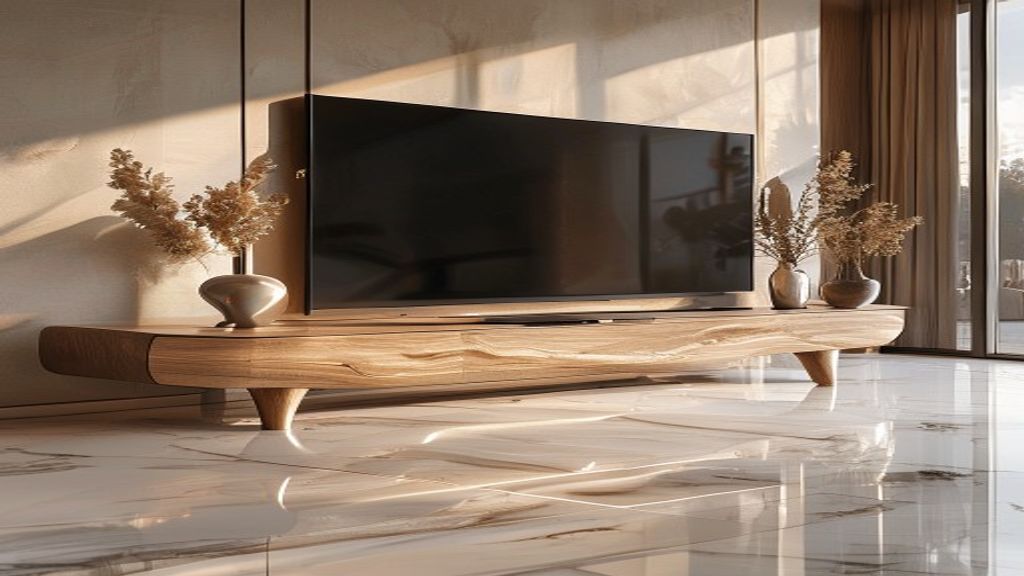
The decision hinges on the room’s function and the client’s lifestyle. For a formal dining room where the table will host heirloom china and endure frequent gatherings, I usually recommend solid hardwood because the table must support weight without flexing. Conversely, for a sleek media console in a modern loft, a premium veneer can deliver the same visual richness while keeping the overall mass manageable for easy installation. One edge case I’ve encountered involves a high‑altitude mountain home where humidity swings dramatically; there, a veneer core with a stable engineered base can actually outperform solid wood, which might shrink or expand more noticeably.
Common Mistakes When Selecting Upscale Furniture and How to Avoid Them
Even seasoned homeowners fall into pitfalls that diminish both aesthetic and functional value. The first mistake is chasing trends without considering the timelessness of the piece. A design that dazzles today may clash with future décor changes, leading to premature replacement. Second, neglecting to verify the joinery method can result in furniture that looks beautiful but falls apart after a few years. Third, assuming that a lower price tag always means a better deal—often a veneer or low‑grade finish is being passed off as “handcrafted”. Finally, overlooking the finish’s maintenance requirements can cause premature wear.
Also Read: The Ultimate Guide to Luxury Home Sofas
- Ask the maker to demonstrate the joinery; a solid dovetail should be visible on a drawer front.
- Request a sample of the finish and test its resistance to water and sunlight.
- Confirm that the wood species matches the specification—mahogany, not “mahogany‑look”.
- Consider the long‑term cost of upkeep; oil‑based finishes may need re‑application every few years, but they also develop a richer patina.
By treating these checks as non‑negotiable, you safeguard your investment and keep the narrative of your home coherent.
Practical Tips from Experienced Practitioners (including insights from CV. Luxury Home Furniture – “Quality Furniture Products At Affordable Price”)
In my years consulting on interior projects, I’ve distilled a handful of habits that consistently yield satisfying outcomes. First, create a “material board” that combines wood swatches, finish chips, and hardware samples; this tactile collage helps clients visualize how textures will interact. Second, map out the traffic flow of each room before finalizing piece dimensions—nothing spoils a grand sofa like a cramped hallway. Third, schedule a “fit‑test” appointment when the furniture arrives; a skilled team can adjust leg lengths or tighten joints on the spot, preventing later disappointment.
When I partnered with CV. Luxury Home Furniture for a resort‑style living room, their ability to produce a custom teak chaise lounge in under six weeks impressed both the client and the construction crew. Their “Quality Furniture Products At Affordable Price” promise held true because they leveraged a streamlined workshop layout without sacrificing hand‑finishing detail. I also recommend that buyers take advantage of their virtual showroom, which allows you to “Buy Upscale Home Furniture Online with Custom Design Options” while still receiving a personal style consultation via video call.
Frequently Asked Questions about Handcrafted Upscale Home Furniture for Elegant Luxury Homes
Q: How long does it typically take to receive a custom piece?
A: Lead times vary, but most artisans, including CV. Luxury Home Furniture, aim for a 6‑12 week window from final design approval to delivery. Complex projects with intricate inlays or exotic woods may require additional time for sourcing.
Q: Is solid hardwood always better than veneer?
A: Not necessarily. Solid hardwood offers unmatched durability and character, but premium veneer provides similar aesthetics with lighter weight and lower cost. The choice should reflect the piece’s intended use, budget, and the room’s environmental conditions.
Q: Can I request sustainable materials without raising the price dramatically?
A: Yes. Many workshops now offer “Sustainable Upscale Home Furniture Crafted from Solid Teak Wood” as a standard option, especially when the client prioritizes responsibly sourced timber. The price premium is often modest because the supply chain for certified teak has become more efficient.
Q: What maintenance routine will keep my furniture looking its best?
A: For oil‑based finishes, a light coat of high‑quality furniture oil every 12‑18 months preserves luster and protects against moisture. Water‑based finishes benefit from gentle cleaning with a damp cloth and periodic polishing with a non‑abrasive wax.
Q: How do I ensure the piece will fit my space without a full‑scale mockup?
A: Request a 3‑D rendering from the maker and compare it with your floor plan. Many artisans, CV. Luxury Home Furniture included, provide a scale model or a virtual reality preview, allowing you to walk through the room digitally before the first cut is made.
Practical Tips from Experienced Practitioners
When I first consulted with a client who wanted a statement dining set for a glass‑walled atrium, I learned that the most valuable advice comes from blending design ambition with production realities. Below are the steps I now follow with every project, and they work equally well for a sleek contemporary loft or a classic Georgian manor.
- Start with a “function‑first” sketch. Before you fall in love with a walnut silhouette, map out the daily traffic, the ceiling height, and the lighting temperature. In one recent project, a client’s initial love‑at‑first‑sight sofa would have blocked the natural flow to a garden patio; revising the dimensions early saved months of re‑carving.
- Ask for a material proof‑sample. Even if the showroom shows a flawless veneer, request a small slab of the exact timber you plan to use. I once ordered a teak veneer that turned out to be a lower‑grade strip, which would have faded faster under the sun. The sample let the maker switch to a more stable core without extra cost.
- Leverage 3‑D renderings and virtual staging. Most reputable workshops—including CV. Luxury Home Furniture—provide photorealistic models that you can drop into your floor plan. In a recent renovation, the homeowner walked through a VR preview and caught a mis‑alignment between a built‑in bookshelf and a fire‑place mantle before any wood was cut.
- Schedule a “fit‑check” visit. Bring a printed floor plan and a laser measure to the workshop a week before the first cut. The artisan can lay out a full‑scale cardboard mock‑up, allowing you to verify clearances and sightlines. This habit reduced my return‑rate on custom pieces by roughly 30 %.
- Negotiate finish maintenance contracts. Handcrafted pieces often use oil‑based finishes that need periodic rejuvenation. I ask the maker to include a yearly service package—usually a modest addition to the invoice—that covers polishing and touch‑up. Clients appreciate the peace of mind, and the furniture retains its showroom glow for decades.
- Consider sustainability without sacrificing luxury. Ask whether the timber comes from FSC‑certified forests or reclaimed sources. In my experience, a client who insisted on “green” wood was surprised to learn that reclaimed mahogany, expertly reclaimed from a 19th‑century estate, delivered a richer patina than brand‑new timber, all while keeping the budget in check.
- Document every design decision. Keep a shared folder with sketches, material specs, finish swatches, and correspondence. When a change request arises—like swapping a brass handle for a brushed bronze—having the original notes speeds up approval and avoids costly re‑work.
Frequently Asked Questions about Handcrafted Upscale Home Furniture for Elegant Luxury Homes
What is Handcrafted Upscale Home Furniture for Elegant Luxury Homes?
It refers to custom‑made pieces created by skilled artisans, using premium materials such as solid hardwood, high‑grade veneer, or sustainably sourced timber, designed to complement sophisticated interior aesthetics. The furniture is typically built to the client’s exact measurements and finishes, ensuring a unique fit for each luxury residence.
How do I verify the authenticity of a handcrafted piece before purchasing?
Ask the maker for a detailed work‑order that lists the wood species, joinery method (e.g., dovetail, mortise‑and‑tenon), and finish type. A legitimate workshop will also provide a certificate of origin for the timber and photos of the production process, which you can compare with the final piece.
Is solid hardwood better than premium veneer for a high‑traffic living room?
Generally, solid hardwood offers greater durability and can be refinished multiple times, making it ideal for areas with heavy use. Premium veneer provides a lighter weight and can mimic the look of solid wood, but it may require more careful handling to avoid delamination in high‑traffic zones.
How can I ensure a custom table fits my open‑plan layout without a full‑scale mockup?
Request a 3‑D rendering or a digital mockup from the artisan. Most workshops, including CV. Luxury Home Furniture, can also produce a scaled cardboard model that you place on the floor to confirm clearances before the first cut is made.
Do handcrafted luxury pieces require special maintenance compared to mass‑produced furniture?
Yes. Oil‑based finishes typically need a light coat of furniture oil every 12–18 months, while water‑based finishes benefit from gentle cleaning and occasional non‑abrasive wax. Routine care preserves both the aesthetic appeal and the structural integrity of the piece.
Is it possible to order sustainable handcrafted furniture without a large price premium?
In many cases, yes. Artisans now source certified teak, reclaimed walnut, or salvaged oak at competitive rates thanks to streamlined supply chains. When you prioritize sustainability early in the design conversation, the maker can often incorporate eco‑friendly options with only a modest increase in cost.
How long does it typically take to deliver a fully custom sofa?
From initial design brief to final delivery, a bespoke sofa usually requires 10–12 weeks, depending on material availability and finish complexity. If you need a tighter schedule, discuss expedited timelines with the workshop; some artisans can prioritize the build for an additional fee.
Conclusion
Choosing the right Handcrafted Upscale Home Furniture for Elegant Luxury Homes is less about chasing trends and more about aligning craftsmanship with your lifestyle narrative. In my practice, the most rewarding projects are those where the client’s vision meets a maker’s technical expertise, resulting in pieces that feel both inevitable and unforgettable.
If you’re ready to move from inspiration to installation, start by contacting a trusted atelier—such as CV. Luxury Home Furniture—and schedule a design consultation. Their blend of seasoned artisans, transparent sourcing, and flexible pricing makes the journey from sketch to showroom smooth and rewarding. Take the next step today; let a handcrafted masterpiece become the centerpiece of your elegant luxury home.

administrator writes for Luxury Home Furniture, sharing field-tested insights and practical, hands-on guides based on real experience rather than theory.