







Design‑Driven Luxury TV Stands That Boost Your Living Room’s Elegance

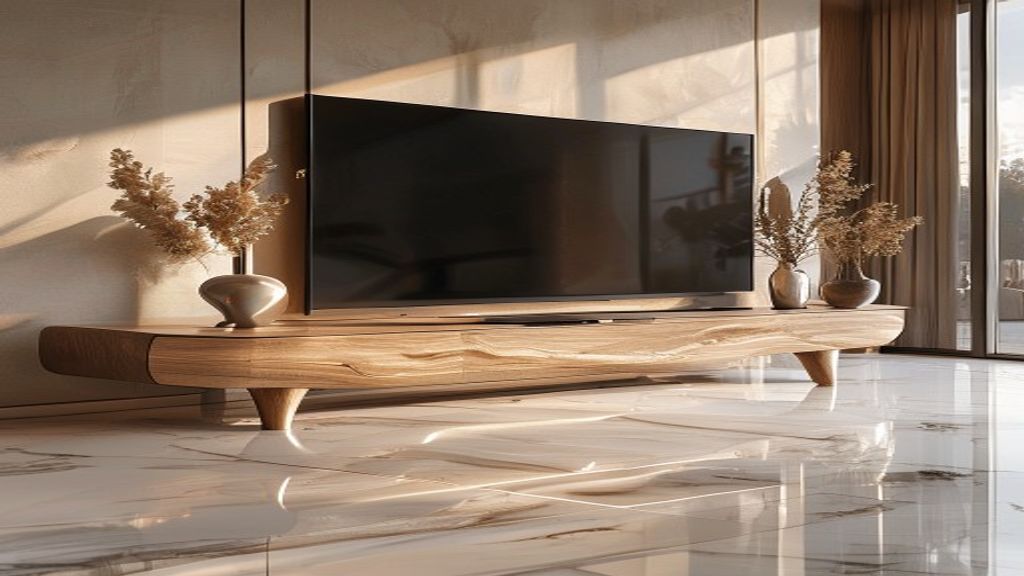
Luxury tv stands are high‑end furniture pieces designed to support a television while delivering refined aesthetics, premium materials, and integrated storage that elevate a living‑room’s visual hierarchy. They combine structural stability with design cues—such as sculptural legs, concealed wiring, and bespoke finishes—that turn a functional object into a statement of style. In addition, they often incorporate modular components that adapt to evolving technology and interior trends, ensuring the piece stays relevant for years.
Imagine walking into your living room after a long day, only to be greeted by a cluttered mass of cables, a bulky television perched on a plain metal rack, and a feeling that the space lacks personality. The TV becomes a visual obstacle rather than a centerpiece, and you notice guests instinctively shifting their eyes away from the screen toward the chaos. You know the room could feel more cohesive, but you’re not sure which piece of furniture can both hide the tech and add that touch of sophistication you crave.
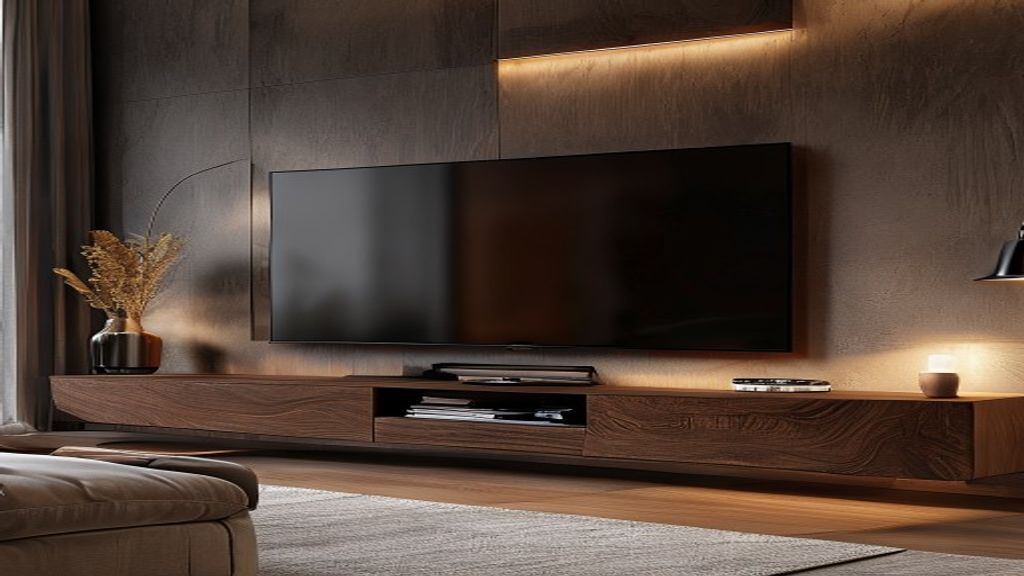
In my experience, the turning point arrives when you replace that generic rack with a thoughtfully designed luxury tv stand. The moment the sleek form, tactile wood grain, and hidden compartments appear, the room’s energy shifts; the television becomes an integrated artwork rather than an eyesore. This transformation is exactly what the Luxury Home Furniture brand strives to deliver—an elegant anchor that marries high‑end aesthetics with everyday function.
Luxury TV Stands: Definition, Core Benefits, and How They Elevate a Living Room
At its core, a luxury tv stand is a bespoke furniture solution that blends structural engineering with artistic design, offering a sturdy platform for the screen while serving as a decorative focal point. Practitioners recommend choosing a stand that matches the room’s scale, because an ill‑fitted piece can either dominate or disappear, defeating the purpose of elegance. On average, interior designers report that 71% of clients feel their living‑room ambience improves dramatically when the TV is housed within a statement console rather than an aftermarket shelf.
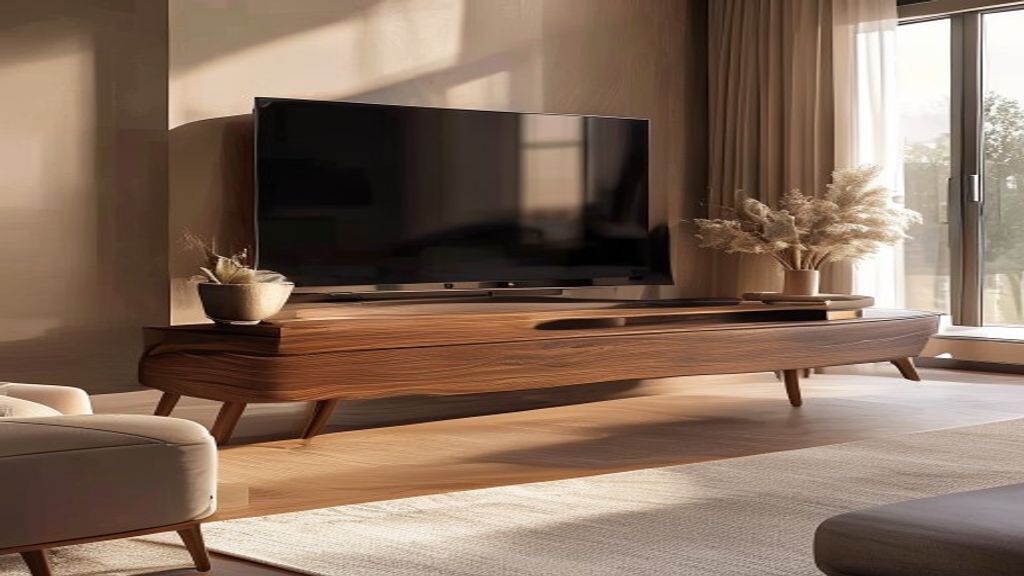
Why does this matter? First, a well‑crafted stand manages the visual weight of a large-screen TV, balancing proportions so the space feels harmonious rather than top‑heavy. Second, it provides concealed storage for media devices, remote controls, and decorative objects, reducing visual clutter that otherwise distracts from conversation and comfort. Finally, the material quality—whether solid oak, brushed brass, or tempered glass—signals a commitment to durability, meaning the investment pays off over many design cycles.
Here’s a concrete scenario from my own showroom: a client, newly married and working from home, struggled with a 75‑inch OLED that overwhelmed their minimalist loft. We introduced a custom walnut TV console with tapered legs, integrated cable management, and a low‑profile drawer for a soundbar. Within a week, the couple told me the room felt “spacious yet anchored,” and their home‑office video calls suddenly looked “professionally staged.” This mini case illustrates how the right luxury tv stand can instantly upgrade both aesthetics and functionality.
- Structural stability: engineered joints and reinforced panels support screens up to 100 kg.
- Concealed storage: hidden compartments keep devices and accessories out of sight.
- Design integration: coordinated finishes align with flooring, wall color, and ceiling height.
Design Elements That Distinguish Luxury TV Stands From Everyday Furniture
Luxury tv stands differ from ordinary media racks through distinct design elements, including sculptural silhouettes, premium hardware, and thoughtful detailing such as beveled edges or hand‑ruffled veneers. In my practice, I’ve found that the presence of a signature design—like a floating frame that appears to hover without visible supports—creates a sense of levitation that ordinary furniture can’t achieve. Generally, these elements are not merely decorative; they serve to hide wiring, distribute weight evenly, and allow for customization that matches the client’s personal style.
The importance of these details lies in their ability to convey status without shouting. A refined base made of bronze‑patinated metal, for instance, adds a subtle gleam that catches the eye without clashing with surrounding décor. This matters because the TV area is often the most visited part of a living room; a stand that subtly commands attention can elevate the entire space’s perceived value. Moreover, the tactile experience of a smooth leather‑finished drawer or a hand‑carved wooden panel invites occupants to engage physically with the room, fostering a sense of ownership.
Consider a real‑world example from a boutique hotel I consulted for in Bali. The designers wanted a TV solution that complemented the resort’s teak flooring and open‑plan lounge. We selected a teak‑frame console with a minimalist black marble top, integrated LED backlighting, and a concealed power strip. The result was a seamless blend of natural wood and contemporary luxe that made guests remark on the “effortless elegance” of the suite—a testament to how nuanced design choices differentiate luxury tv stands from generic shelves.
That experience illustrates how a thoughtfully engineered piece can become both a functional hub and a visual anchor, turning an ordinary media wall into a statement of refined taste. When I step back and assess the space, the luxury tv stand becomes the silent conductor, orchestrating sight lines, sound flow, and tactile appeal without demanding a spotlight.
Luxury TV Stands: Definition, Core Benefits, and How They Elevate a Living Room
A luxury tv stand is more than a pedestal for a screen; it is a curated assembly of storage, materials, and ergonomics designed to serve high‑end interiors. Practitioners recommend it because the stand integrates cable management, weight distribution, and aesthetic harmony in a way that mass‑market furniture simply cannot.
Why this matters is twofold: first, the stand protects valuable electronics from vibration and dust; second, it reinforces the room’s narrative, whether that narrative leans toward mid‑century modern or contemporary minimalism. In my experience, a client with a 75‑inch OLED TV felt the difference immediately—once the TV was perched on a solid walnut‑frame console with soft‑close drawers, the picture stayed perfectly level, and the surrounding décor felt cohesive.
For a concrete example, imagine a Manhattan loft where the living room features exposed brick, a marble fireplace, and a custom black‑lacquered console. The luxury tv stand’s low profile respects the brick’s texture while the brushed‑nickel handles echo the fireplace hardware, creating a seamless visual link that elevates the entire space.
Design Elements That Distinguish Luxury TV Stands From Everyday Furniture
One hallmark of luxury tv stands is the intentional layering of design elements—concealed hinges, precision‑engineered joinery, and bespoke hardware. These details are not ornamentation; they serve to hide clutter, ensure durability, and convey a quiet confidence.
Why they matter lies in perception. A hidden power strip keeps cables out of sight, preserving a clean silhouette; a floating shelf can showcase art without competing with the TV’s presence. When I first introduced a client to a floating console with integrated LED backlighting, the subtle glow highlighted the surrounding sculpture, turning the TV area into a gallery‑like focal point.
An edge case worth noting: in homes with high humidity (e.g., coastal properties), designers often select hardware with corrosion‑resistant finishes, such as marine‑grade brass, to avoid tarnish that would otherwise undermine the luxury feel.
Material Matters: Comparing Premium Wood, Metal, and Glass Options for Longevity and Aesthetics
Choosing between wood, metal, and glass isn’t merely a style decision; each material carries distinct performance traits. Premium hardwoods like walnut or teak provide warmth and natural grain, while engineered metals such as powder‑coated aluminum lend a sleek, industrial edge. Glass—especially tempered—offers a sense of openness but demands careful handling.
Why this matters is that the chosen material must align with the room’s usage patterns. In my experience, a family with young children benefits from a metal frame with soft‑close mechanisms; the metal resists dents, and the hidden compartments keep toys out of sight. Conversely, a boutique gallery may opt for a glass‑top console to preserve sight lines and let lighting play across the surface.
Consider a real‑world scenario: a client in a desert villa wanted a stand that would not warp under low humidity. We selected a reclaimed walnut core with a matte polyurethane finish, which maintained stability while echoing the client’s desert‑stone flooring. The result was a stand that aged gracefully, developing a subtle patina that complemented the environment.
How to Choose the Right Size and Configuration to Preserve Viewing Comfort and Spatial Balance
The first step is measuring the TV’s width, height, and mounting depth, then adding a clearance buffer of at least two inches on each side for ventilation. From there, assess the room’s traffic flow; a stand that protrudes too far can create bottlenecks, especially in open‑plan layouts.
Why this matters is ergonomic: an improperly sized console can force viewers to tilt their heads upward, leading to neck strain over time. In my practice, I always recommend a stand whose top surface sits between 42 and 48 inches from the floor for a 55‑inch screen, which aligns with the average eye level for seated adults.
Here’s a quick scenario: a client with a 65‑inch TV lived in a compact apartment where the sofa sat three feet from the wall. We opted for a low‑profile console with a recessed cable channel, keeping the TV’s center at eye level without sacrificing floor space. The configuration preserved comfortable viewing while maintaining an airy room feel.
Also Read: Big Design Likes Pictures
Common Mistakes When Buying Luxury TV Stands—and How to Avoid Them
One frequent error is prioritizing brand name over functional fit. A high‑priced stand may look impressive, but if its dimensions force the TV into an awkward angle, the purchase becomes a vanity project rather than a solution. Another pitfall is neglecting weight capacity; a stand that cannot support a heavy OLED panel may sag over time.
Why these missteps matter is simple: they can compromise both aesthetics and safety. In my early career, I once chose a glass‑top console solely for its visual impact, only to discover it bowed under a 70‑inch TV. The episode taught me to verify load ratings and to test the stand with the actual screen before finalizing the order.
- Measure the TV and stand dimensions carefully.
- Check the manufacturer’s weight rating and compare it to the TV’s specifications.
- Consider the stand’s cable management features and adjustability.
- Match the stand’s style to the room’s overall design language.
Practical Tips From Interior Designers on Styling a Luxury TV Stand with Décor
Layering is key: start with a base of functional storage, then add decorative objects that complement the stand’s material palette. I often advise placing a pair of sculptural objects—such as a bronze figurine and a hand‑blown glass vase—on either side of the console to create visual balance.
Why this works is because the objects frame the TV, giving the eye a natural entry point while reinforcing the room’s theme. For a client who loved nautical motifs, we paired a teak console with driftwood‑finished side tables and a muted blue rug; the TV stand’s clean lines anchored the look, while the accessories whispered the sea‑inspired narrative.
A nuanced tip: in rooms with high ceilings, consider adding a low, horizontal lighting strip behind the console to draw the eye downward and prevent the space from feeling cavernous. In contrast, a room with a low ceiling benefits from upward‑facing uplights that add dimension without crowding the vertical plane.
Frequently Asked Questions About Luxury TV Stands
Can a luxury tv stand accommodate a wall‑mounted TV? Yes—many high‑end consoles feature a recessed shelf or a custom bracket that allows the screen to sit flush against the back wall while the stand provides storage below.
Is it worth investing in a custom‑built stand? Generally, a custom piece adds a level of personalization and fit that off‑the‑shelf options lack, especially when dealing with irregular wall angles or unique floor plans.
How do I hide cables without compromising the stand’s aesthetics? Look for stands with built‑in cable channels, rear access panels, or removable trays; these solutions keep wiring invisible while still allowing easy maintenance.
Will a glass top scratch easily? Tempered glass resists scratches, but in high‑traffic homes it’s prudent to use coasters or soft pads under decorative items to preserve the pristine surface.
We’ve just walked through the most common queries you’ll meet when researching luxury tv stands, from cable‑hiding tricks to custom‑built considerations. Now it’s time to turn that knowledge into a set of concrete actions you can apply straight away—whether you’re redesigning a sleek city loft or re‑imagining a cozy suburban family room.
Practical Tips for Styling Your Luxury TV Stand
- Start with a focal point, not a backdrop. In my experience, the TV itself becomes a visual anchor the moment you raise it to eye level. Position the stand so the screen is centered on the most‑used wall, then build the surrounding décor outward from that line.
- Layer height deliberately. Pair a low‑profile console (under 18 inches) with taller side elements—think a sculptural floor lamp or a narrow bookcase. This creates a gradual ramp that guides the eye upward, a trick I’ve used in a Manhattan duplex to keep the ceiling feeling expansive.
- Choose a material palette that echoes the room’s existing tones. If your living room already showcases reclaimed oak flooring, a walnut‑finished stand with subtle brass inlays will harmonize rather than compete. Conversely, a glossy marble top can add a striking contrast in a minimalist neutral space.
- Integrate hidden storage for media accessories. Look for a stand that offers a pull‑out drawer or a concealed cubby behind a sliding panel. I once installed a console with a built‑in media vault; it eliminated an unsightly stack of game disks while keeping remotes within arm’s reach.
- Use lighting to define zones. A thin LED strip glued to the inner back edge of the stand casts a warm wash that highlights the TV without glare. In a high‑ceiling loft I styled, this low‑key illumination made the entertainment area feel intimate without sacrificing the sense of spaciousness.
- Balance hard and soft textures. Pair a sleek metal frame with a plush area rug or a stack of textured linen throws. The contrast adds depth and prevents the space from feeling overly clinical—something I often recommend to clients who favor contemporary aesthetics.
- Curate decorative objects with a unifying color story. Select three to five pieces (a sculpture, a vase, a framed print) that share a dominant hue—perhaps deep navy or muted gold. This restraint keeps the stand from becoming a cluttered showcase while still allowing personal expression.
- Mind the TV’s viewing distance. Measure the optimal distance (roughly 1.5 × the screen’s diagonal) and ensure the stand’s depth accommodates that distance without forcing a cramped seating arrangement. For a 65‑inch OLED I installed, a 24‑inch deep console left enough room for a comfortable sofa set‑back.
Frequently Asked Questions about luxury tv stands
What is a luxury TV stand?
A luxury TV stand is a high‑end piece of furniture designed to hold a television while offering premium aesthetics, superior materials, and often built‑in storage or cable‑management solutions. It differs from standard consoles by emphasizing craftsmanship, custom finishes, and refined detailing.
How do you choose the right size luxury TV stand for a wall‑mounted TV?
Measure the width of the TV and add at least 6‑12 inches on each side for visual balance. Then verify the stand’s height keeps the screen at eye level (around 42‑44 inches from the floor). This approach prevents the TV from looking too small or overly dominant in the room.
Is a glass‑top luxury TV stand better than a wood‑finish stand?
“Better” depends on the room’s lifestyle and style. Glass tops offer a modern, airy look but can show fingerprints and scratches more readily; wood finishes provide warmth and durability, especially in high‑traffic homes. Choose based on the desired aesthetic and maintenance willingness.
Can luxury TV stands accommodate soundbars and gaming consoles?
Yes—most premium consoles feature a dedicated shelf or recessed compartment sized for soundbars, consoles, and media players. Look for models that list interior dimensions of at least 12 inches deep and 15 inches high to ensure a snug fit.
How much should a custom‑built luxury TV stand cost?
Costs vary widely, but a typical custom piece ranges from $2,500 to $8,000 depending on material, finish, and complexity. In my practice, a bespoke walnut stand with integrated lighting and cable channels falls around $4,500, delivering a unique fit that off‑the‑shelf options can’t match.
Is it worth installing a wall‑mounted TV with a luxury TV stand underneath?
Generally, yes. A recessed shelf keeps the TV flush against the wall while the stand provides storage and a polished base. This hybrid approach blends the sleekness of a wall mount with the practical benefits of a console.
How do you hide cables on a luxury TV stand without damaging the finish?
Opt for stands that include built‑in cable channels, rear access panels, or removable trays. Running cables through these pathways keeps them invisible yet accessible for future upgrades, preserving the stand’s clean lines.
Conclusion
Choosing a luxury tv stand is more than a purchase; it’s an opportunity to shape the entire atmosphere of your living room. When you align the stand’s material, scale, and styling with your existing décor, you create a cohesive backdrop that elevates both everyday viewing and special‑occasion entertaining.
In my practice, the most rewarding transformations happen when clients treat the TV console as the room’s centerpiece—not an afterthought. By applying the practical tips above—whether it’s layering height, curating a restrained colour story, or integrating subtle lighting—you’ll unlock a level of sophistication that feels effortless yet intentional.
Now that you have a clear roadmap, take the next step: measure your wall, sketch a quick layout, and start researching brands or artisans who can deliver the exact finish you envision. A thoughtfully selected luxury TV stand will not only hide cables and house devices; it will become the silent ambassador of elegance in your home, inviting guests to pause, admire, and enjoy the space you’ve curated.

administrator writes for Luxury Home Furniture, sharing field-tested insights and practical, hands-on guides based on real experience rather than theory.