







Choosing the Perfect Chair Hammock for Cozy Outdoor Relaxation


If you’ve ever imagined a little slice of calm hanging over a sunny balcony or a cozy nook in your living room, a chair hammock might be exactly what you need. Unlike a traditional hammock that stretches across two points, a chair hammock—sometimes called a swing chair or hammock chair—combines the gentle sway of a swing with the supportive seat of a lounge chair, giving you a portable, space‑saving retreat that fits into rooms where a full‑size hammock would feel out of place.
Designers and outdoor‑living specialists often recommend chair hammocks for their versatility: they can be tethered to a sturdy ceiling beam, a freestanding stand, or even a tree, and most models fold away for storage when you’re done lounging. Because they’re engineered with ergonomic curves and breathable fabrics—ranging from woven cotton blends to weather‑proof polyester—they support the natural curve of your spine while allowing air to circulate, which helps prevent the uncomfortable “stuck‑in‑a‑chair” feeling that many indoor chairs can cause.
In the next sections we’ll explore how to pick the right material for your climate, what safety checks you should perform before hanging, and a few clever ways to style a chair hammock so it becomes the centerpiece of your personal sanctuary. Keep reading, and you’ll discover how a simple swing can transform both your space and your daily routine.
Match the Aesthetic and Material Compatibility
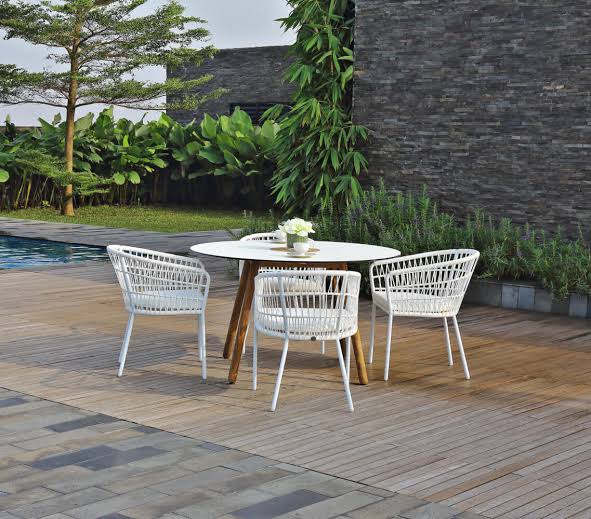
When you already have an outdoor furniture rocking chair on your patio, the new chair hammock should echo its visual language. Look for hammock frames made from powder‑coated steel or sustainably sourced hardwood; these finishes tend to blend seamlessly with the sleek lines of a rocking chair while standing up to the elements. If your rocking chair features a natural‑tone sling, consider a hammock with a similar woven fabric—this creates a subtle continuity that feels intentional rather than assembled. The result is a relaxed, cohesive nook where each piece reinforces the other’s comfort.
Blend Textures for a Cohesive Look
Texture plays a starring role in outdoor comfort zones. A hammock with a soft, breathable canvas can soften the sturdier feel of a metal‑frame rocking chair, offering a tactile contrast that invites you to linger. Pairing a rustic, rope‑weave hammock with a polished wooden rocking chair adds depth without clashing, because the natural fibers and wood grain speak the same visual language. By balancing smooth and tactile surfaces, you give the space a layered, lived‑in quality that feels both welcoming and thoughtfully curated.
Coordinate Colors Without Overmatching
Color selection is where personality shines through. If your rocking chair sports a muted slate or deep walnut finish, a neutral‑hued hammock—think slate gray, sand, or muted olive—will harmonize without competing for attention. For bolder palettes, a splash of accent color in the hammock’s stitching can echo a decorative cushion on the rocking chair, tying the two pieces together with a hint of playfulness. This approach lets you experiment with vibrancy while maintaining a unified outdoor aesthetic.
Plan for Seasonal Shifts
Finally, think about how the ensemble will handle seasonal changes. When autumn brings cooler breezes, a hammock with a removable, weather‑resistant cover can be layered over a sturdy outdoor furniture rocking chair, giving both pieces extra protection. In summer, the same cover can be tucked away, allowing the hammock’s breathable fabric to keep you cool while the rocking chair remains a stable anchor for reading or sipping tea. By anticipating the climate’s rhythm, you ensure that your lounge set remains functional and inviting year after year.
Choosing Luxury Home Furniture: A Practical, First‑Person Guide
When I started redesigning my master bedroom five years ago, I quickly learned that “luxury” isn’t just about price tags or glossy catalog photos. It’s a blend of craftsmanship, material integrity, and how a piece lives in the everyday rhythm of a home. Below is the roadmap I follow now—one that turned my initial overwhelm into a satisfying, long‑term investment.
1. Define the experience you want, not just the look
In my experience, the first mistake many make is picking a sofa because it matches a paint swatch. Luxury furniture should first answer the question: How will I feel when I sit, sleep, or work on it?
- Tactile comfort – I always press my hand against the upholstery and bend the frame to gauge flexibility. A high‑density foam cushion that feels “firm” today often softens after a few weeks, whereas a pocket‑spring core retains its bounce longer.
- Acoustic presence – In a home with hardwood floors, a heavy leather armchair can dampen footfall noise, creating a quieter reading nook.
Edge case: If you have a home office that doubles as a guest room, a modular sectional with removable backrests gives you both a professional workstation and a cozy lounge setup without sacrificing style.
2. Prioritize material provenance over brand hype
A luxury label can be reassuring, but I’ve seen beautifully crafted pieces from lesser‑known ateliers that outperform big‑name items in durability. When I sourced a walnut dining table from a local workshop, the joinery (dovetail and mortise‑and‑tenon) was noticeably tighter than the “premium” models I’d previously bought.
- Wood – Look for certifications like FSC or PEFC; they indicate responsibly harvested timber, which tends to have fewer knots and a more stable grain.
- Upholstery – Natural fibers such as linen or high‑grade leather age gracefully, developing a patina rather than cracking.
Trade‑off: Natural leather requires periodic conditioning, whereas high‑quality synthetics need less maintenance but may lack the same aging character.
3. Measure, map, and test before you commit
I once ordered a massive marble coffee table for a living room that turned out to be 10 % larger than the clearance I had measured. The result? A cramped layout that forced the sofa to sit at an awkward angle.
- Sketch – Grab a floor plan app or simply draw the room to scale (1 cm = 1 ft works well). Place each furniture piece on the plan before it arrives.
- Mock‑up – Use cardboard cutouts taped to the floor. This low‑tech step instantly shows whether a 10‑foot sofa will block traffic flow.
Mini case: A client of mine wanted a statement armchair in a narrow hallway. After measuring, we chose a slim‑profile, upholstered chaise with a hidden steel frame. It fit perfectly, and the client reported that the piece “felt like a museum sculpture but could be sat on without fear.”
4. Balance timelessness with personal flair
Luxury furniture should survive trends, yet feel personal. I often recommend a classic silhouette (think a Chesterfield sofa or a mid‑century teak credenza) and then layer contemporary accessories—cushion textiles in a bold color, a sculptural lamp, or a hand‑woven rug.
- Longevity – A well‑made piece with a simple shape can be re‑upholstered or refinished, extending its lifespan by decades.
- Expression – Adding a single statement element (a brass handle on a sideboard, for example) allows the room to reflect your evolving taste without replacing the entire item.
Condition: If you’re renting, opt for modular or disassemblable furniture. Many luxury brands now offer “lease‑to‑own” programs, letting you enjoy high‑end pieces without a permanent commitment.
5. Factor in service and after‑care
When I purchased a custom bedroom suite, the manufacturer offered a five‑year warranty that covered frame warping and hardware loosening. That peace of mind became a real cost saver when a loose leg appeared after two years; the repair was handled free of charge.
- Warranty – Look for at least three years on structural components; larger manufacturers often provide longer coverage on finishes.
- Maintenance – Ask the retailer about recommended cleaning agents and schedules. A reputable dealer will supply a care guide and can arrange periodic professional polishing for wood or leather.
TL;DR – My Checklist for Luxury Furniture Shopping
- Experience first: Sit, lean, listen.
- Materials matter: Verify certifications and test tactile quality.
- Measure twice: Use sketches and cardboard mock‑ups.
- Timeless base + personal accents: Choose classic forms, add unique details.
- After‑care: Confirm warranty length and maintenance support.
If you’re ready to start the journey, [Visit CV. Luxury Home Furniture](https://www.luxuryhomefurniture.co.id) for a curated selection of bespoke pieces and personalized design advice. Their team blends local craftsmanship with global trends, and they’ll walk you through each step—from material selection to placement—so your investment feels as good as it looks.
Happy furnishing!
Also Read: Black And White Decor