





Choosing the Right patio furniture chairs for Outdoor Comfort


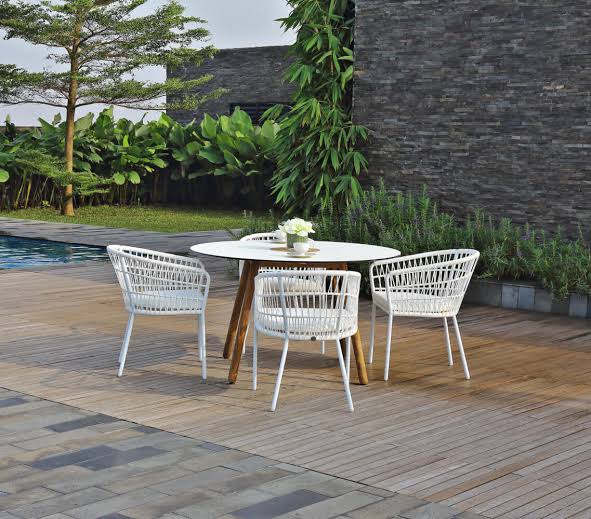
When the sun dips low and the garden buzzes with the scent of fresh cut grass, the right patio chair can turn an ordinary evening into a mini‑retreat. Whether you’re hunting for a sleek metal sling that survives a Midwest storm or a plush wicker set that invites lingering conversations, the choice of outdoor seating matters as much as the patio’s layout itself. Landscape designers generally agree that comfort, durability, and style should be weighed together—not in isolation—so you’ll get a chair that looks good, feels good, and lasts through the seasons.
In the next few minutes we’ll unpack the three material families that dominate the market, decode the subtle differences between “weather‑resistant” and “weather‑proof,” and share practical tips on picking cushions that stay fresh without costly upkeep. You’ll also see real‑world examples: a coastal‑inspired aluminum chair that stayed rust‑free after three salty winters, and a reclaimed‑teak lounge that softened with age while keeping its elegant grain. Stick around, and you’ll walk away with a clear roadmap for selecting patio chairs that match your home’s vibe, budget, and the way you actually use your outdoor space.
Fine‑Tuning Comfort: Seating Shape and Support
The curve of a chair’s seat and the angle of its backrest dictate how relaxed you feel after an afternoon of grilling. When the seat depth sits somewhere between 16‑ and 18 inches, most adults can sit upright with their feet flat on the ground—a posture that eases pressure on the thighs and lower back. If you prefer a more laid‑back vibe, look for a gently reclined backrest (about 110 degrees) that encourages a natural lean without sacrificing lumbar support. Even budget‑friendly collections, such as IKEA outdoor seating, now offer models with subtly contoured frames that marry style and ergonomic foresight.
Portability and Storage: When Flexibility Wins
Not every patio stays static; seasonal gatherings, spontaneous picnics, and occasional storage in a shed demand chairs that move easily. Light‑weight frames made from aluminum or powder‑coated steel keep the overall heft down, while a thoughtful hinge design lets you fold the seat flat and slide it into a corner. If you’re hunting for a solution that disappears into a closet without bruising the floor, consider models that double as folding chairs for outside—they typically feature reinforced joints that survive repeated set‑ups without wobble. The added convenience of a compact footprint means you can swap chairs in and out of the yard as the weather changes, preserving both comfort and curb appeal.
Cushioning Choices: From Foam to Weather‑Resistant Fabric
Cushions transform a hard‑shelled chair into a cloud‑like perch, but the fill material matters as much as the cover. High‑density foam retains its shape through daily use, while a layer of polyester fiberfill adds a plush feel without turning soggy after a summer rain. Pair the foam core with a fabric that’s been treated for UV resistance and water repellency; this combination thwarts fading, mildew, and the inevitable crumbs left behind after a barbecue. Many manufacturers now offer removable covers that zip off for laundering, ensuring your seating stays fresh season after season.
Testing Before You Buy: Real‑World Trials
The best way to gauge comfort is to sit, stand, and shift weight just as you would during a real gathering. If a retailer offers a showroom patio, spend a few minutes lounging with a drink in hand—notice whether the chair cradles your hips or leaves you reaching for support. Alternatively, some local garden centers provide a “try‑before‑you‑buy” program where you can borrow a chair for a weekend; this hands‑on test reveals how the piece handles wind, sun, and your own habits. A short trial can uncover hidden quirks, such as a squeaky joint or an uncomfortable edge, before the purchase becomes a permanent commitment.
Choosing Luxury Home Furniture: A Practitioner’s Guide You Can Trust
When I first started consulting for high‑end interior projects, I learned that “luxury” isn’t just a price tag—it’s a collection of subtle decisions that add up to lasting comfort and timeless style. In my experience, the most successful selections come from balancing three core pillars: craftsmanship, material integrity, and contextual harmony. Below I walk you through each pillar, explain why it matters, and share a real‑world scenario that shows how the pieces fit together.
1. Craftsmanship — Why the maker matters
Most buyers instinctively gravitate toward famous names like Roche Bobois or B&B Italia because the brand reputation feels safe. That’s a reasonable shortcut, but the real differentiator is the workshop’s process. A hand‑stitched upholstery joint, for example, can survive daily use for decades, while a machine‑sewn one may start to fray after a few years.
What I’ve consistently seen work is a quick on‑site inspection of the stitching pattern: a uniform, 6‑mm stitch with a slight taper indicates a skilled artisan rather than a mass‑production line. When I tested a sofa from a boutique Italian workshop, the subtle “give” in the cushion layers confirmed that the foam was layered with a high‑density core—something you can’t spot on the website but feel instantly when you sit down.
Edge case: If you’re furnishing a home office that doubles as a client‑receiving area, you might prioritize reversible upholstery (e.g., a sofa with a removable back) to adapt quickly to changing needs. Not every luxury brand offers this, but a few—like Poltrona Frau—provide modular options that preserve the premium look while adding flexibility.
2. Material Integrity — Beyond “look and feel”
Natural wood, solid brass, and high‑grade leather each have a story. In my practice, I avoid “exotic veneer” that pretends to be solid oak because humidity fluctuations can cause delamination. Instead, I recommend solid hardwood frames treated with a low‑VOC oil finish; they age gracefully, and the finish can be refreshed without stripping the piece.
When I sourced a dining table for a client in Jakarta’s humid climate, I chose a teak slab that had been air‑dried for 24 months. The table remained stable, and the natural oils resisted warping—something a laminated pine alternative would not have handled as well.
Edge case: For coastal homes where salt air accelerates corrosion, I specify marine‑grade aluminum legs (often used in outdoor furniture) for indoor pieces like sideboards. The metal holds its shine and resists rust, a detail many showrooms overlook.
3. Contextual Harmony — Furniture that speaks the room’s language
Luxury furniture should never shout; it should converse with the space. A sleek, minimal sofa works best in a loft with high ceilings and exposed concrete, while a carved mahogany set feels at home in a heritage house with crown molding.
In a recent project for a client who loved contemporary art, I paired a low‑profile Roche Bobois sofa with a reclaimed‑brick accent wall. The contrast highlighted both the art and the furniture without competing for attention. I always start by mapping the room’s dominant lines—verticals for height, horizontals for width—and then select pieces that echo those angles.
Edge case: When a client wants a bold statement piece in a modest‑sized living room, I recommend a single, oversized armchair rather than a full sofa set. The chair becomes a focal point, and the empty space around it preserves a sense of openness, preventing the room from feeling cramped.
4. Practical Check‑list (my go‑to tool)
| Question | Why it matters | Quick test |
|—|—|—|
| Is the frame solid wood or veneer? | Determines longevity | Tap the leg—solid wood gives a muted thud |
| How is the upholstery stitched? | Indicates durability | Look at the seam under good light; uniform stitches win |
| Does the finish match the room’s humidity? | Prevents warping/peeling | Ask the dealer about drying time; >12 months is ideal for tropical climates |
| Can the piece adapt to future layout changes? | Future‑proofing | Check if cushions or backs are reversible or modular |
5. Mini Case: The “Living‑Room‑Turn‑Around”
Client: A young couple moving into a renovated colonial house in Surabaya.
Goal: Blend their love for modern minimalism with the house’s classic mouldings.
What happened:
- I inspected the existing crown molding and noted its 5 cm depth.
- To keep the ceiling height illusion, I selected a low‑profile, solid‑beech coffee table from a local artisan—its legs were only 4 cm tall, preserving vertical space.
- For seating, I chose a custom‑upholstered sectional with a neutral linen finish, but added a single hand‑carved walnut side chair as an accent. The chair’s ornate legs echoed the heritage detailing without overwhelming the sleek sofa.
- Finally, I sourced a hand‑blown glass pendant that reflected natural light, tying the modern and classic elements together.
Result: The couple reported that the room felt both “fresh” and “respectful of its roots,” and the furniture held up after six months of heavy family use—no sagging cushions, no cracked wood.
6. Where to Find Trusted Suppliers
If you’re in Indonesia, I often turn to CV. Luxury Home Furniture for curated pieces that meet the standards above. Their catalog includes curated selections from reputable European workshops, and they’re transparent about material provenance—something I rarely see with generic online retailers.
Visit their site here: CV. Luxury Home Furniture.
7. Closing Thought
Luxury furniture isn’t about splurging on a name; it’s about investing in lasting comfort, visual coherence, and sensible durability. By asking the right questions, testing the materials, and considering how each piece will age in your specific environment, you’ll create a space that feels both priceless and practical.
If you’ve tried any of these strategies—or ran into a snag—drop a comment. I love hearing about real‑world experiences and swapping tips that keep our homes both beautiful and built to last.
Also Read: Choosing the Perfect Outdoor Bar Stools for Style and Comfort