


























Choosing the Perfect Outdoor Bar Stools for Style and Comfort


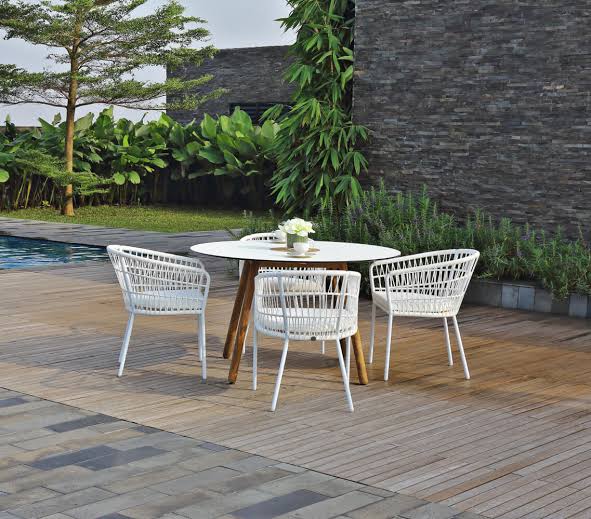
When you pull up a chair to the backyard bar, you want more than a place to sit—you’re looking for a piece that can survive the summer sun, the occasional rain, and still feel comfortable after a few drinks. That’s why choosing the right outdoor bar stool is as much about material science as it is about style, and why a one‑size‑fits‑all recommendation rarely works. In this guide we’ll walk through the three pillars that separate a durable patio perch from a seasonal eyesore: weather‑proof construction, ergonomic comfort, and design cohesion with your existing outdoor space.
First, we’ll decode the most common frame materials—aluminum, stainless steel, cast iron, and woven synthetic rattan—so you can gauge how each reacts to humidity, UV exposure, and temperature swings. Next, we’ll explore seat options, from quick‑dry mesh to powder‑coated wood, and explain why a stool’s cushion (or lack thereof) can make or break your after‑dinner conversations. Finally, we’ll match those technical choices to the aesthetics that matter most—coastal breezes, urban lofts, or rustic garden retreats—so you leave with a shortlist that feels both functional and personally curated.
Stick around, because the decisions you make now will shape countless weekend gatherings, sunset cocktails, and lazy Sunday brunches for years to come.
Blend Versatility with Smart Storage
When your patio layout shifts with the seasons, having flexible seating can save you from a full‑time furniture overhaul. Many homeowners discover that a few folding chairs for outside tucked in a discreet corner become a lifesaver during larger gatherings, offering extra perch without crowding the bar area. Pairing these collapsible options with fixed bar stools keeps the look cohesive while still allowing you to store the chairs in a garden shed or under a pergola when not in use. In practice, this mix‑and‑match approach lets you adapt to spontaneous party sizes without compromising the overall design.
Sustainability also plays a subtle but meaningful role in the decision‑making process. Practitioners often recommend sourcing pieces that can be recycled or repurposed, and surprisingly, IKEA outdoor seating collections frequently meet these criteria with their modular designs and replaceable components. By choosing a set that can be reconfigured—say, swapping a stool backrest for a longer seat—you extend the lifespan of each item and reduce waste. The result is a patio that feels both stylish and responsibly curated.
Lastly, think about the daily rituals that will unfold around your bar. If you enjoy morning coffee beside the garden, a low‑profile stool with a footrest may double as a relaxed reading perch, while a taller bar chair can transition to an evening cocktail seat. Incorporating a couple of lightweight folding chairs means you can quickly create a casual brunch nook without rearranging heavy furniture. This fluidity ensures that your outdoor space supports every mood, from sunrise serenity to sunset celebrations.
Choosing Luxury Furniture That Lasts – A Practitioner’s Blueprint
When I first started consulting for high‑end interiors, I learned the hard way that “expensive” does not automatically mean “enduring”. My early misstep was ordering a marble coffee table without checking the slab’s origin; the surface cracked after just a few months of ordinary use. Since then, I’ve built a checklist that blends material science with the subtle art of design, and I’m happy to share it with you.
1. Start with the Material’s Story
In my experience, the most reliable indicator of durability is a material’s provenance. For example, solid teak sourced from sustainably managed forests in Indonesia tends to resist humidity‑induced warping better than exotic veneers that are merely glued onto particleboard. When I’m on site, I ask the supplier for a mill certification and, if possible, a small sample to run a moisture‑meter test (aim for a reading between 8 % and 12 % in tropical climates).
Why it matters: Wood that has been properly seasoned will expand and contract predictably, keeping joints tight over years of temperature swings.
2. Inspect the Joinery, Not Just the Finish
A finish can mask flaws, but the joints reveal the true craftsmanship. I look for mortise‑and‑tenon or dovetail connections rather than simple dowels or staples. In a recent project for a Jakarta penthouse, the client wanted a sleek walnut sideboard; the pieces were assembled with hidden biscuits, which felt secure at first but gave way under the weight of a large media console. Switching to a sideboard built with dovetail joints eliminated that risk and added an understated visual cue of quality.
Edge case: In highly humid regions, even a well‑joined piece can suffer if the wood is not adequately sealed. A thin, oil‑based topcoat applied in multiple layers can mitigate moisture ingress without dulling the natural grain.
3. Upholstery Fabrics: Feel the Fabric, Test the Wear
“Luxury” fabrics often mean high thread count, but the thread’s composition determines comfort and longevity. I favor natural fibers like high‑grade linen or wool blended with a small percentage of nylon; the latter adds resilience without sacrificing breathability. When I’m testing a sofa for a boutique hotel, I press the fabric with a firm hand and then rub it with a white cloth. If the cloth picks up lint or the fabric shows a faint sheen, it’s a sign that the weave is too loose for heavy traffic.
Real‑world tip: For families with pets, a tightly woven, tightly woven micro‑fiber can outperform silk in both stain resistance and tactile comfort.
4. Hardware and Finishes: Small Details, Big Impact
I once ordered a set of brass drawer pulls that arrived with a cheap zinc coating. The coating peeled after three months, ruining the aesthetic of an otherwise flawless cabinet. Today, I request solid brass or brushed stainless steel hardware, and I ask for a finish sample that matches the surrounding décor. When the hardware is properly sealed, it not only resists corrosion but also ages gracefully, developing a patina that adds character.
5. The Mini‑Case: A Real‑World Decision
A client of mine, a young professional living in a high‑rise apartment in Jakarta, wanted a custom dining table that could double as a work surface. He loved the look of reclaimed oak but worried about the city’s humidity. I measured the apartment’s average relative humidity (around 75 %) and recommended a table built from milled oak with a marine‑grade polyurethane topcoat. The table’s legs were joined with hidden mortise‑and‑tenon joints, and the underside was fitted with adjustable steel glides to accommodate slight floor unevenness. Six months later, the client still praises the piece for its sturdy feel and the way the finish has deepened without any warping—a concrete example of how material choice, joinery, and finish work together.
6. Balancing Aesthetics and Practicality
Luxury furniture should feel personal, not pretentious. If a sleek marble surface excites you, pair it with a sturdy steel base that can bear the weight without flexing. Conversely, if you gravitate toward softer textures, choose a low‑pile leather that will develop a patina while remaining easy to clean. The trade‑off is always between visual impact and everyday resilience; the best choice aligns with both your style and your lifestyle.
7. Putting It All Together
Before you sign any purchase order, walk through this quick audit:
- Material provenance: Ask for certificates or sample slabs.
- Joinery inspection: Look for dowel‑free connections.
- Fabric test: Feel, rub, and observe for lint or sheen.
- Hardware verification: Confirm solid metal and proper finishing.
- Finish durability: Request a small, finished swatch and test with a damp cloth.
If any item raises a red flag, it’s worth negotiating or walking away—luxury purchases are investments, not impulses.
8. Where to Find Trusted Suppliers
When you’re ready to explore options, I recommend browsing curated collections that prioritize transparency. Visit [CV. Luxury Home Furniture](https://www.luxuryhomefurniture.co.id) for similar services; they showcase detailed product sheets and often allow you to request material samples before committing.
Final Thought
Luxury furniture is a dialogue between design, material science, and everyday use. By treating each piece as a small engineering project—checking the grain, evaluating the joints, feeling the fabric—you safeguard your investment and ensure it becomes a cherished part of your home rather than a fleeting trend. In my practice, the most rewarding moments come when a client’s eye‑catching piece also proves its worth after years of daily life. That, to me, is the true definition of luxury.
Also Read: Black And White Decor