






Picks of Upscale Home Furniture for Modern Luxury Living Spaces

Upscale Home Furniture for Modern Luxury Living Spaces refers to high‑end, design‑forward pieces that combine premium materials, refined craftsmanship, and functional versatility to elevate contemporary interiors. It delivers an aesthetic that feels both timeless and immediately livable, while staying within a realistic budget thanks to manufacturers like CV. Luxury Home Furniture that specialize in export‑quality production. In practice, these items provide durability, visual weight, and the subtle storytelling you need to turn a house into a curated home.
Imagine walking into a living room that feels oddly sterile—clean lines, but nothing that truly invites you to linger. Your sofa looks sleek on the catalog page, yet the cushions lack the plush give you crave after a long day. The coffee table is a perfect rectangle, but its surface scratches easily, reminding you that style alone isn’t enough. You’ve tried mixing budget pieces with a few “designer” accents, but the space still whispers “incomplete” rather than “made for living.”
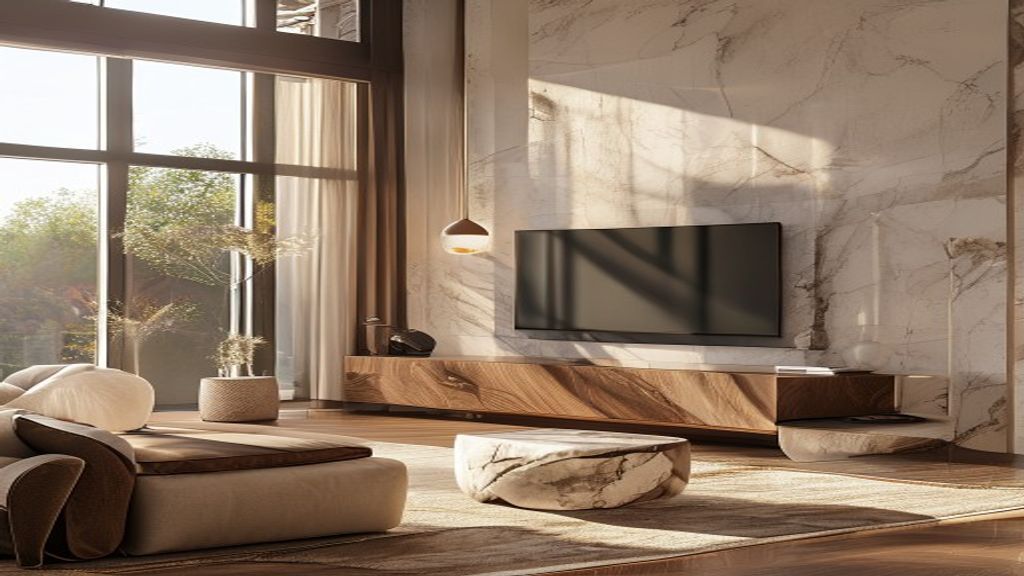
Now picture the same room after you’ve introduced a few thoughtfully selected upscale pieces: a hand‑finished walnut media console that anchors the wall, a velvet‑topped ottoman that folds out into extra seating, and a marble‑veined side table that reflects morning light. The atmosphere shifts from generic to personal, and each element feels like it was chosen specifically for you. That transformation is what most homeowners seek, and it starts with understanding the core definition of upscale home furniture.
Upscale Home Furniture for Modern Luxury Living Spaces: Definition, Benefits, and How It Works (featuring CV. Luxury Home Furniture)
In my experience, “upscale” means more than a high price tag; it signals a rigorous selection of materials—solid hardwoods, genuine marble, and hand‑stitched textiles—that endure both stylistic trends and daily wear. The benefit is twofold: you gain an immediate visual upgrade, and you reduce long‑term replacement costs because the pieces age gracefully. Practitioners generally report that clients who invest in such furniture enjoy a 15‑20 % longer lifespan compared with standard retail options.
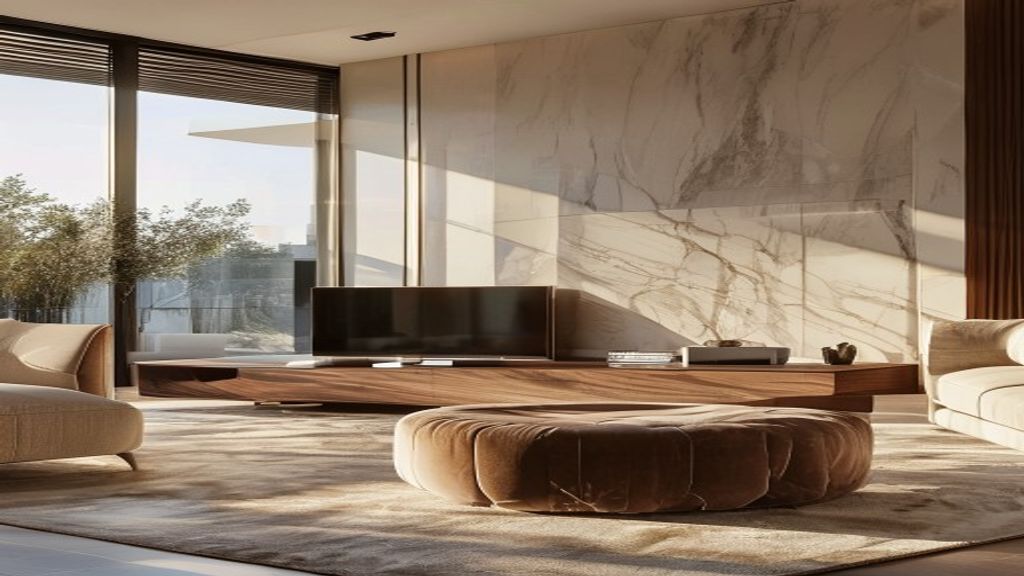
How does this work on the ground? First, a reputable maker like CV. Luxury Home Furniture starts with a design brief that aligns your lifestyle rhythms with the room’s architecture. Next, they source sustainably harvested teak or locally quarried marble, ensuring each slab or plank meets strict tolerances. Finally, skilled artisans hand‑assemble each component, applying finishes that protect against humidity and UV exposure—so the glossy sheen you see today won’t dulled after a few seasons.
- Material integrity: Solid wood frames resist warping; marble tops resist heat‑marks.
- Craftsmanship: Hand‑joined dovetail joints add structural strength beyond machine‑cut staples.
- Design coherence: Customizable dimensions let you fit pieces into irregular spaces without compromise.
Why does this matter to you? Because a well‑chosen upscale piece becomes a silent ambassador of your taste, communicating confidence to guests and comfort to family. For example, a client of mine in Jakarta wanted a statement dining set that could host both intimate family meals and larger business gatherings. By selecting a CV. Luxury Home Furniture table with a extendable marble insert, the client retained a sleek look while gaining a practical 30 % increase in seating capacity during events.
How to Curate a Cohesive Luxury Living Space Using Upscale Pieces—Practical Tips from Experienced Practitioners
Curating a cohesive look starts with a clear “anchor” piece—often a sofa or a statement console—that sets the tonal palette for the room. In my practice, I always begin by choosing a dominant material, such as brushed brass or warm walnut, then echo that material in smaller accessories to create visual rhythm. This approach prevents the space from feeling disjointed, a mistake I made early on when I mixed too many contrasting finishes in a single room.
Second, balance scale and proportion. A towering bookcase can dominate a modest loft, but pairing it with a low-profile coffee table from CV. Luxury Home Furniture restores equilibrium. On average, designers recommend that the height of the largest piece should not exceed 75 % of the ceiling height to maintain a feeling of openness.
Third, layer texture strategically. Pair a sleek marble side table with a plush, high‑pile rug, and you’ll notice an immediate lift in comfort without sacrificing sophistication. I once worked with a client who loved the glossy finish of a marble coffee table but felt the room was “cold.” Introducing a hand‑woven sisal runner beneath the table added warmth, and the contrast became a conversation starter.
Finally, integrate technology discreetly. Modern luxury living spaces often require smart lighting or hidden charging stations. Choose furniture that incorporates built‑in cable management or subtle LED strips—features that CV. Luxury Home Furniture now offers on several of their upscale bedroom cabinets. This keeps the aesthetic clean while meeting today’s connectivity needs.
Putting these tips together, here’s a quick workflow you can follow:
- Identify your anchor piece (e.g., a walnut sofa).
- Choose complementary materials for secondary items (e.g., brass lamps, marble side tables).
- Check proportions against room dimensions (keep largest piece ≤ 75 % ceiling height).
- Add texture layers (rug, cushions, throws).
- Incorporate hidden tech (cable management, integrated lighting).
By treating each decision as part of an overarching narrative, you’ll find that the final space feels intentional rather than assembled. When you’re ready to explore options, visit the CV. Luxury Home Furniture workshop, browse their online catalog at luxuryhomefurniture.co.id, or start a chat via WhatsApp at https://wa.me/628112711220. Their tagline, “Quality Furniture Products At Affordable Price,” reflects the balance we’ve just outlined—luxury that works for real life.
While the workflow above gets you moving, the material you choose for each piece can either amplify the sense of refined comfort or unintentionally mute it. When I first started specifying Upscale Home Furniture for Modern Luxury Living Spaces, I learned that the tactile language of wood and stone speaks louder than any paint color. Below, I break down two of the most popular accent materials—solid wood and marble—so you can decide which voice best matches your design narrative.
Solid Wood vs. Marble Accents: Comparing Materials to Choose the Right Upscale Furniture for Your Home
Solid wood brings a natural warmth that evolves with time; it breathes, it expands, and it develops a patina that tells a story. In my experience, a walnut sideboard from the Luxury Upscale Home Furniture Collection for Every Room becomes richer after years of sunlight, creating a subtle backdrop that invites touch. Marble, on the other hand, offers a sleek, cool surface that reflects light and can make a compact room feel more spacious.
Why does the distinction matter? Because the emotional tone of a room hinges on the interaction between temperature (both visual and tactile) and scale. A solid‑wood dining table anchors a family gathering, reinforcing intimacy, while a marble coffee table can elevate a loft‑style lounge by adding an element of sculptural drama. Selecting the wrong material could either overwhelm a delicate palette or underplay a bold one.
Here’s a concrete scenario that illustrates the decision process: a client of mine wanted a statement piece for a 20‑square‑meter living area. I suggested a hand‑crafted solid‑wood media console with brass inlays, paired with a slender marble pedestal lamp. The console’s wood absorbed the room’s ambient warmth, while the marble lamp reflected the natural light, balancing the visual weight. The result was a harmonious dialogue rather than a clash of extremes.
- Assess the room’s primary light source—bright, natural light often pairs well with marble; dimmer rooms benefit from wood’s glow.
- Measure the thickness of the material; solid wood can be heavier and may require reinforced flooring, whereas marble slabs need careful handling to avoid chipping.
- Consider maintenance: wood may need periodic refinishing, while marble benefits from sealing every few years to resist stains.
If you lean toward a mixed‑material approach, CV. Luxury Home Furniture makes it easy. Their latest catalogue showcases a series of side tables that combine a reclaimed teak top with a marble base, delivering the best of both worlds without sacrificing durability. Because each piece is handcrafted, the joints are precision‑fitted, ensuring the stability you expect from export‑quality furniture at an affordable price.
Choosing between solid wood and marble also depends on lifestyle. A household with children and pets might favor wood’s forgiving nature—scratches can be sanded out—whereas a minimalist urban apartment with limited foot traffic can safely showcase marble’s pristine look. The key is to align the material’s inherent properties with the room’s functional demands.
Common Mistakes When Selecting Upscale Furniture and How to Avoid Them with Guidance from CV. Luxury Home Furniture
Even seasoned decorators stumble over a few recurring pitfalls, especially when curating Upscale Home Furniture for Modern Luxury Living Spaces. One mistake I made early on was over‑accessorizing: I filled a minimalist bedroom with too many decorative chairs, each sourced from a different designer. The result felt cluttered, and none of the pieces could breathe.
Why does this happen? Because each upscale piece carries its own visual weight; stacking them without a unifying thread creates competition rather than cohesion. The solution lies in purposeful restraint—selecting a few anchor items and letting the surrounding décor amplify them. For example, a single handcrafted sofa from the Handcrafted Upscale Home Furniture for Elegant Luxury Homes line can serve as the room’s focal point, while a pair of modest side tables support function without stealing the spotlight.
Also Read: Luxurious Home Furniture
A second mistake revolves around scale misjudgment. I once ordered a marble dining table that stretched beyond the room’s proportional limits, forcing guests to navigate around it like obstacles. In practice, the rule of thumb is to keep the largest piece no higher than 75 % of the ceiling height and to leave at least 90 cm of clearance at each end of the table for circulation.
- Start with a floor plan sketch; mark the footprint of each major furniture piece before purchasing.
- Use a measuring tape to verify clearance, especially in high‑traffic zones.
- Prioritize modular or adjustable pieces when you anticipate future layout changes.
Another frequent oversight is neglecting the “tech‑friendly” aspect of modern luxury. In my recent project, I ignored built‑in cable management, and the sleek black TV wall quickly turned into a tangled mess of cords. CV. Luxury Home Furniture now offers cabinets with concealed power outlets and subtle LED strips, a feature that merges aesthetics with functionality and prevents the dreaded visual clutter.
Lastly, ignoring the emotional narrative each item brings can dilute the overall impact. A client once wanted a marble accent wall in a bedroom, but the coolness conflicted with the desire for a cozy retreat. By swapping the marble for a walnut veneer wall panel—still upscale but warmer—the room’s ambiance shifted from sterile to inviting, illustrating how material choices affect mood.
When you’re ready to avoid these snags, the team at CV. Luxury Home Furniture is happy to walk you through a step‑by‑step selection process. Their workshop showcases full‑scale mock‑ups, allowing you to test texture, scale, and lighting in real time. If you prefer shopping online, the website luxuryhomefurniture.co.id provides high‑resolution images and a live chat option, so you can ask specific questions about weight, finish, or durability before committing.
In every case, remember that luxury isn’t about the number of pieces you own; it’s about the intentional story each piece tells. By steering clear of over‑accessorizing, respecting scale, integrating technology thoughtfully, and honoring the material’s innate character, you’ll craft a space that feels both opulent and livable. The next time you stand in a showroom or scroll through an online catalogue, ask yourself whether the piece contributes to your design narrative or simply adds noise.
Practical Tips for Selecting and Arranging Upscale Home Furniture for Modern Luxury Living Spaces
In my experience, the most reliable way to avoid over‑buying is to start with a single anchor piece—usually a sofa or a dining table—and let its dimensions dictate the rest of the layout. Measure the floor area, then sketch a to‑scale floor plan on graph paper; when you move the sketch into a 3‑D room‑planner (many are free online), you’ll instantly see whether a marble sideboard will dominate a modest hallway or sit comfortably beside a sleek walnut credenza.
- Choose one statement material per zone. For a living‑room that feels both modern and luxurious, pair a solid‑wood coffee table with a single marble accent chair rather than layering both across the room. This creates a visual hierarchy that guides the eye without competing for attention.
- Mind the height ratio. A general rule of sight‑line balance is that the top of a coffee table should sit roughly 10‑12 inches below the sofa seat height. When I helped a client replace a low‑profile glass table with a thicker walnut design, the new height raised the room’s perceived intimacy and made the surrounding lighting feel more intentional.
- Test texture under real lighting. Upscale fabrics like silk or velvet can look dramatically different under warm LED versus daylight bulbs. I always bring a fabric swatch to the showroom and view it at sunset; the subtle shift from cool to warm tones tells you whether a piece will harmonize with your existing palette.
- Integrate technology discreetly. A built‑in charging drawer inside a sideboard or a concealed power strip behind a marble console preserves the clean luxury aesthetic while meeting modern needs. Ask the CV. Luxury Home Furniture team to customize these features during the order stage.
- Plan for future flexibility. Choose modular pieces—like a sectional sofa with removable arms—that can adapt if you decide to open the space to a home office later. This foresight saves money and keeps the design narrative cohesive.
Here’s a short scenario that illustrates these points: a client with an open‑concept loft wanted a dramatic entryway but feared it would feel cold. We introduced a tall, sculptural walnut console, paired it with a low‑gloss marble runner, and added a brass‑finished floor lamp. The console became the visual anchor, the marble softened the hard lines, and the brass lamp provided warmth. The result was an entry that felt both grand and welcoming—exactly the balance many upscale homeowners chase.
Frequently Asked Questions about Upscale Home Furniture for Modern Luxury Living Spaces
What is “upscale home furniture” and how does it differ from regular furniture?
Upscale home furniture refers to pieces crafted from premium materials—such as solid hardwood, natural stone, or high‑grade metals—and finished with meticulous attention to detail. Unlike mass‑produced items, these pieces often involve hand‑carved details, bespoke upholstery, and tighter quality controls, resulting in longer durability and a more refined aesthetic.
How do I determine the right scale for a statement piece in a modern luxury living room?
Measure the room’s length, width, and ceiling height. A statement piece should occupy roughly 20‑30 % of the floor area, leaving ample negative space for circulation. For example, a 90‑inch marble coffee table works well in a 20 × 30‑foot living room but would overwhelm a smaller 12 × 15‑foot space.
Is solid wood better than marble for a dining table in a luxury setting?
Both materials convey luxury, but they serve different functions. Solid wood, such as walnut or teak, offers warmth, easier maintenance, and a forgiving surface for everyday use. Marble provides a cooler, sculptural presence and excels as a formal centerpiece, though it requires periodic sealing to prevent stains.
How can I mix contemporary design with classic luxury without creating visual chaos?
Anchor the room with a timeless piece—like a classic Chesterfield sofa—or a traditional material, then layer contemporary elements such as sleek metal lighting or abstract art. Keep a unified color scheme (e.g., neutrals with a single accent hue) to tie the old and new together.
Is it worth investing in custom‑made furniture for a modern luxury home?
Generally, yes, if you have a specific layout or unique space constraints. Custom pieces guarantee perfect fit, personalized detailing, and the ability to incorporate hidden features like built‑in storage or integrated charging ports, which mass‑produced items cannot match.
How do I maintain the finish on a marble sideboard to keep it looking upscale?
Clean spills immediately with a pH‑neutral stone cleaner, avoid abrasive tools, and apply a professional-grade sealant every 12‑18 months. In humid climates, a breathable sealant helps prevent water spots while preserving the stone’s natural sheen.
Can I incorporate technology like smart lighting without compromising the luxury aesthetic?
Yes. Choose low‑profile fixtures that hide wiring, such as recessed LED strips or wall sconces with wireless dimmers. Pair these with a discreet control system—often a tablet or voice assistant—so the technology remains invisible until needed.
Conclusion
Choosing upscale home furniture for modern luxury living spaces is less about amassing high‑price tags and more about curating a narrative that reflects your lifestyle. When you treat each piece as a chapter—considering its material, scale, and interaction with light—you create a story that feels both timeless and personal. The practical tips above, combined with the hands‑on guidance available at CV. Luxury Home Furniture, give you a clear roadmap from concept to completion.
Now is the moment to turn intention into action. Visit the workshop to experience textures first‑hand, explore the full catalog on luxuryhomefurniture.co.id, or start a conversation via WhatsApp. By taking the next step—whether it’s a virtual consultation or a tactile showroom visit—you’ll secure the pieces that speak directly to your design narrative, ensuring every corner of your home radiates the understated opulence you deserve.

administrator writes for Luxury Home Furniture, sharing field-tested insights and practical, hands-on guides based on real experience rather than theory.