






Transform Your Dining Room Set Table into a Conversation Engine

Section 1
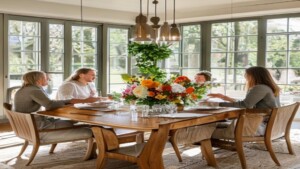
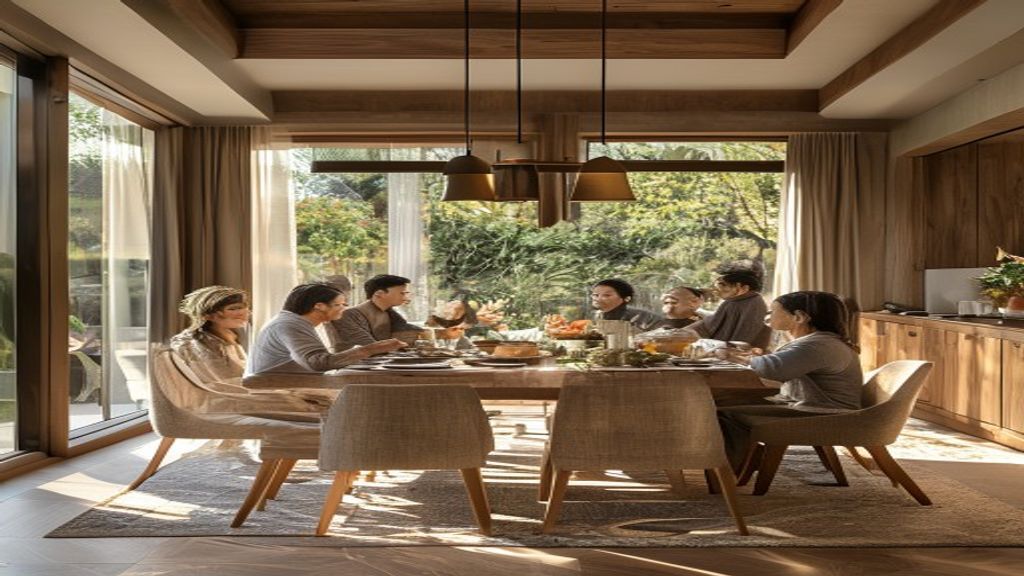
Ever walked into a dining room and felt that the table—no matter how polished—just isn’t sparking the conversations you’d hoped for? Many homeowners share that same silent frustration: the centerpiece looks perfect, yet the space feels more functional than festive. If you’re searching for ways to turn a dining room set table into a genuine conversation engine, you’re in good company. Below, we’ll explore how thoughtful design and subtle tweaks can transform everyday meals into memorable moments.
Section 2
A dining room set table is more than a flat surface; it’s a long‑term investment in the heart of your home. Quality craftsmanship—often evident in hand‑joined joints and meticulous finish work—ensures the piece can weather generations of gatherings. When premium materials like solid hardwoods or responsibly sourced veneers are used, durability pairs naturally with the tactile warmth that invites people to linger.
Comfort and aesthetics go hand‑in‑hand: a well‑balanced table height supports relaxed posture, while a refined silhouette adds visual harmony to the room’s décor. Functionality shines through clever details such as subtle cable management channels or expandable leaves that adapt to both intimate dinners and larger celebrations. For those who crave a personal touch, customization options—ranging from finish tones to embedded inlays—allow the table to reflect individual style without compromising structural integrity.
All these attributes converge to create a piece that doesn’t just hold plates, but also holds conversations, traditions, and the occasional surprise guest.
With this foundation in mind, let’s look at how you can enhance the social life of your dining space.
Design Elements That Turn a Set Table Into a Conversation Engine—What Works and Why
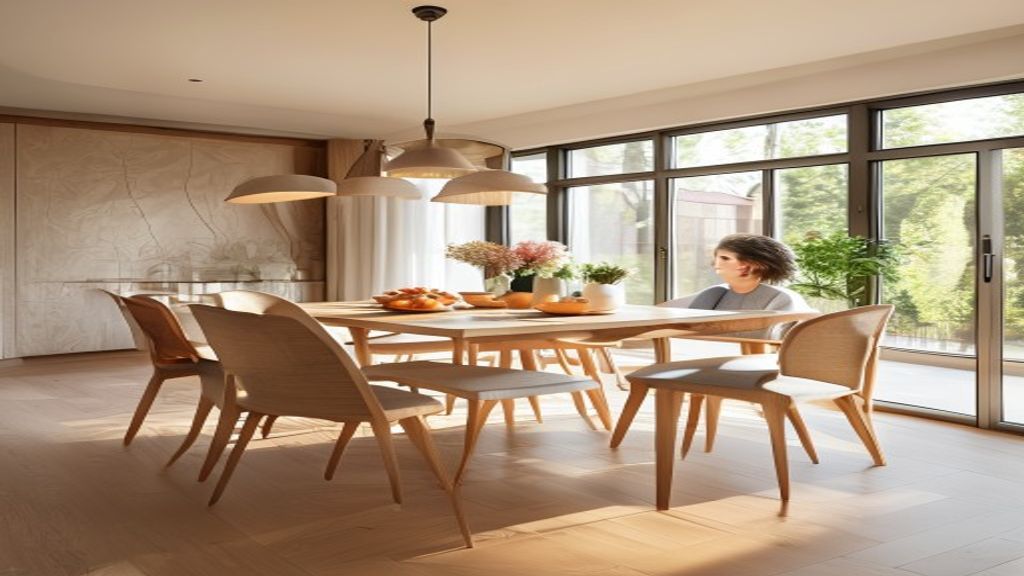
A table’s silhouette matters more than most homeowners realize. A gently tapered apron creates a visual rhythm that draws eyes inward, encouraging guests to turn toward one another rather than stare at a rigid edge. When the legs are set slightly outward, the space beneath feels open, making it easy for people to slide in with a chair and stay relaxed. This subtle geometry is why many master craftsmen opt for a modest “sweep” on the lower rails—an understated curve that whispers invitation without demanding attention.
Surface texture is another silent facilitator. A lightly brushed finish on solid wood reveals the grain’s natural variation while still providing a smooth platform for plates, phones, and conversation starters alike. When the tabletop is treated with a matte oil rather than a high‑gloss lacquer, light reflects softly, reducing glare that can distract from facial cues. In practice, a family that dines on a table finished with a soft‑sheen oil often reports that “the room feels cozier,” because the visual noise is lowered and attention shifts to voices.
Lighting integration can transform a static surface into a dynamic stage. Contemporary set tables sometimes incorporate recessed LED strips along the inner edge of the tabletop. The gentle glow highlights the table’s center without overwhelming the ambient light, giving guests a shared focal point that naturally sparks discussion. Even a simple pendant lamp positioned a few inches above the table’s midpoint can act as a conversational anchor, especially when the fixture’s design echoes the table’s material—think a brass pendant hovering over a walnut surface.
Finally, modular accessories—such as removable cheese boards, built‑in wine racks, or discreet drawer inserts—invite interaction. When a host pulls out a built‑in board for a cheese tasting, the act itself becomes a moment of shared anticipation, prompting guests to comment on the selection and the presentation. These purposeful details turn the dining room set table from a passive platform into an active participant in the evening’s dialogue.
Mistakes to Avoid When Arranging a Dining Room Set Table for Interactive Dialogue
One common pitfall is over‑crowding the tabletop with décor. A cluttered surface competes with conversation, forcing eyes to dart between plates, candles, and knick‑knacks. The result is a fragmented flow where guests feel compelled to “check” the setting rather than listen. Instead, aim for a minimalist arrangement—perhaps a single centerpiece that complements the table’s material without dominating it.
Another error lies in neglecting the “conversation triangle.” If chairs are positioned too far apart, eye contact becomes strained and the natural rhythm of turn‑taking stalls. A good rule of thumb is to keep the distance between adjacent seats no greater than the width of a standard dinner plate (about 25 cm). This subtle spacing encourages spontaneous glances and gentle nods, keeping the dialogue lively.
Choosing illumination that’s too harsh can also shut down interaction. Bright, direct lighting creates shadows on faces and can make speakers feel self‑conscious. Opt for warm‑toned bulbs and consider dimmable fixtures so the light level can be adjusted as the evening progresses. The softer glow mimics natural sunset, a setting that historically prompts reflective conversation.
Lastly, ignoring acoustics can sabotage a well‑designed table. Hard surfaces—such as glass tabletops or polished stone floors—reflect sound, causing voices to echo and become muffled. If your dining room features these materials, introduce soft textiles like a runner rug or upholstered chairs to absorb excess noise. This acoustic balance ensures that laughter and stories travel clearly across the table.
Practical Tips From Experienced Practitioners (Including CV. Luxury Home Furniture Insights) to Boost Engagement
- Start with a story‑friendly layout. Seasoned hosts often arrange seating in a semi‑circle rather than a strict rectangle. This shape reduces visual barriers and lets each participant see the others without turning their heads sharply. CV. Luxury Home Furniture’s design consultants suggest pairing a round or oval table with matching chairs for maximum inclusivity, but a rectangular set table can achieve the same effect by pulling the side chairs slightly outward.
- Integrate custom tabletop zones. When a family wants a dedicated space for shared appetizers, a custom‑cut inset—sometimes called a “conversation well”—can be carved into the center of the table. This recessed area holds small dishes and encourages guests to gather around it, naturally prompting dialogue. Because the inset is flush with the surface, it doesn’t interrupt the overall aesthetic and can be finished to match the surrounding wood.
- Leverage material narratives. Explaining the origin of your table’s wood can be a conversation starter in itself. A set table crafted from sustainably sourced teak often carries a story about forest stewardship and long‑lasting durability. Mentioning that the piece is Sustainable Upscale Home Furniture Crafted from Solid Teak Wood not only highlights eco‑friendly credentials but also gives guests a shared point of interest.
- Use subtle color contrast. A table finished in a deep espresso tone paired with lighter‑toned chairs creates a gentle contrast that draws the eye upward, toward people’s faces. This visual cue subtly nudges guests to focus on each other instead of the tabletop. The same effect can be achieved with a Custom Upscale Home Furniture Made from Premium Solid Teak finish, where the wood’s natural honey hue stands out against a neutral backdrop.
- Rotate centerpiece themes. Changing the centerpiece each week—perhaps a seasonal fruit bowl, a small sculpture, or a hand‑crafted tea set—keeps the table feeling fresh. Each new object provides a mini‑prompt for guests to comment on taste, travel, or craftsmanship. The practice of rotating decor aligns with the idea that the dining room set table should evolve with the household’s rhythm.
- Mind the flow of service. Position the serving side of the table where the host can easily reach dishes without crossing guests’ paths. A well‑planned service lane reduces interruptions and allows conversation to continue uninterrupted. Designers at CV. Luxury Home Furniture recommend incorporating a discreet groove or channel along the tabletop edge to hide serving utensils and keep the surface clean.
By weaving these practices into everyday meals, the dining room set table becomes a catalyst for richer, more spontaneous interaction.
How a Well‑Chosen Set Table Compares to Other Conversation‑Starter Furniture Pieces
When you think of conversation‑centric furniture, a sectional sofa or a stylish coffee table often comes to mind. Those pieces certainly invite chatter, but a dining room set table holds a unique advantage: it anchors a shared activity—eating. Because meals naturally require pause, pause creates space for stories to unfold. In contrast, a sofa may encourage lounging, but unless a purposeful game or discussion prompt is introduced, the interaction can drift into background noise.
Another contender is the bar counter. Its elevated height promotes a more casual, stand‑up vibe, which can be great for brief exchanges but less conducive to deeper dialogue that thrives over a longer timeframe. The dining table’s lower profile allows guests to sit comfortably for extended periods, fostering a relaxed environment where ideas can percolate.
Material and craftsmanship also differentiate the set table. A piece made from Custom Upscale Home Furniture Made from Premium Solid Teak brings a tactile richness that a metal coffee table cannot match. The warmth of solid wood invites touch, and the subtle scent of teak can subconsciously evoke a sense of calm, subtly influencing the tone of conversation. Meanwhile, a glass-top console may look sleek, but its reflective surface can feel cold and deter lingering.
Finally, the flexibility of a table with expandable leaves surpasses many conversation‑starter items. When extra guests arrive, the table can grow, keeping everyone at a single shared surface rather than scattering them across multiple sofas or chairs. This adaptability ensures that the core purpose—facilitating dialogue—remains intact, regardless of party size.
Overall, while other furniture can spark brief exchanges, the dining room set table uniquely marries function and form to nurture sustained, meaningful conversation.
With design principles, common pitfalls, and expert tips now laid out, the next section will explore the practical buying considerations that help you select the perfect table for your home.
Absolutely! Could you let me know the specific topic or focus you’d like the article to cover? That way I can craft a well‑structured, in‑depth piece that fits your audience and finishes with a strong call‑to‑action.
Also Read: How to make Your house looks Expensive

administrator writes for Luxury Home Furniture, sharing field-tested insights and practical, hands-on guides based on real experience rather than theory.