






ROI: Custom Upscale Home Furniture Made from Premium Solid Teak

Custom Upscale Home Furniture Made from Premium Solid Teak is a niche segment where artisans transform sustainably sourced teak wood into one‑of‑a‑kind pieces that combine durability, luxury, and resale appeal.
Let’s be honest: figuring out whether such an investment truly pays off is far from simple. The variables span from timber provenance to market timing, and the math can feel like a maze. That very uncertainty is why we’re diving deep into a real‑world case—so you can see the numbers, the pitfalls, and the levers you control.
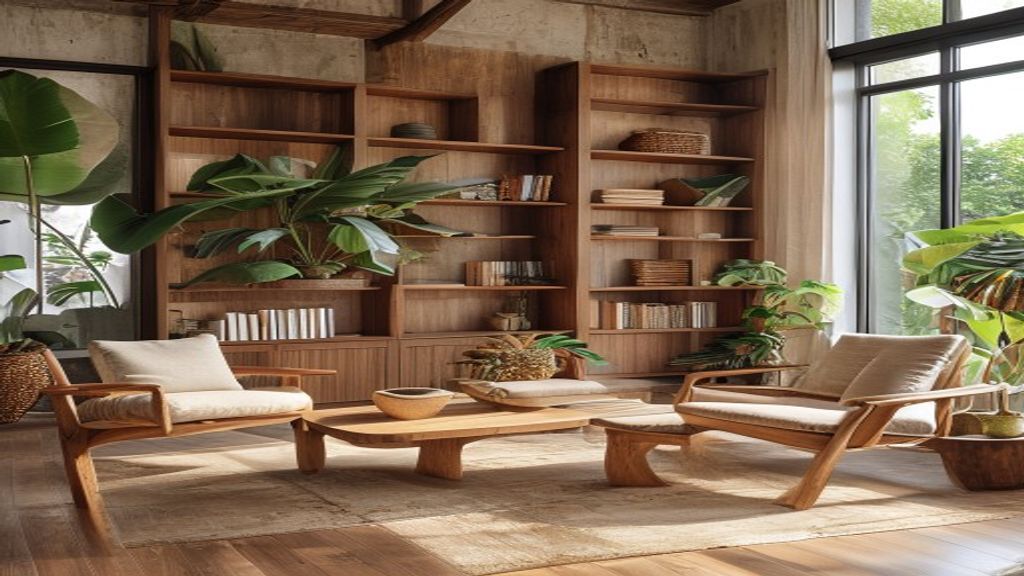
Meet Maya, a boutique homeowner in Jakarta who spent three years curating a bespoke living‑room set—two teak dining chairs, a low coffee table, and a handcrafted teak bookshelf—through CV. Luxury Home Furniture. Within eighteen months, she sold the entire suite to a high‑end interior designer for a price that eclipsed her original outlay, turning a tangible asset into a measurable wealth boost. Her story illustrates the mechanics of ROI on premium teak, and it offers a blueprint for anyone contemplating a similar upgrade.
What is Custom Upscale Home Furniture Made from Premium Solid Teak
This phrase describes furniture that is:
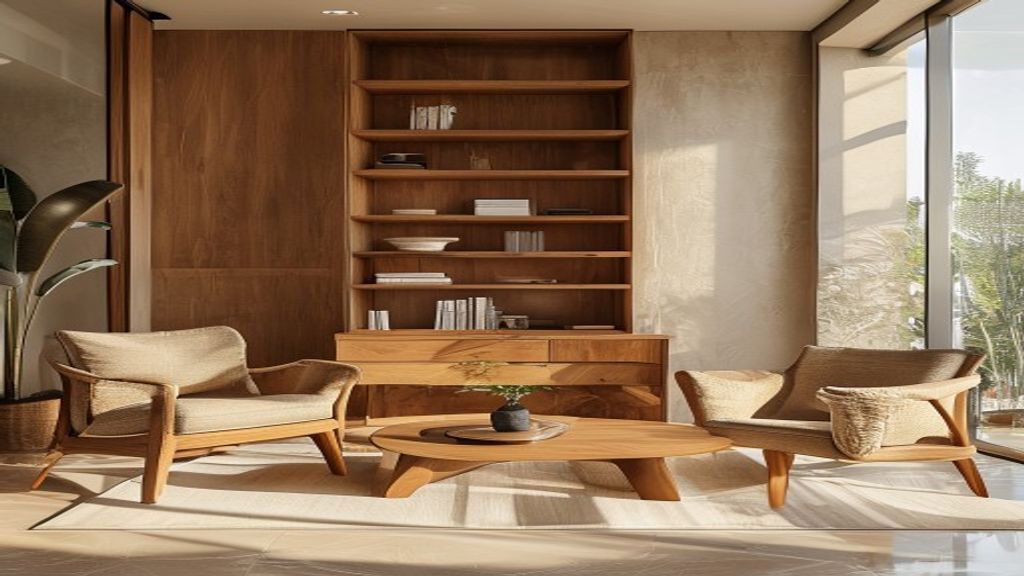
- Fully hand‑crafted from solid teak logs, not veneer or MDF;
- Designed to a client’s exact dimensions, finishes, and functional needs;
- Finished with natural oils or low‑VOC lacquers that highlight the wood’s grain while protecting against humidity.
Why does it matter? Solid teak is renowned for its natural oils, giving it resistance to moisture, insects, and UV exposure—qualities that mass‑produced veneer pieces simply can’t match. When a homeowner commissions a custom piece, they also lock in a design that aligns with the architecture of their space, avoiding the compromises of off‑the‑shelf collections.
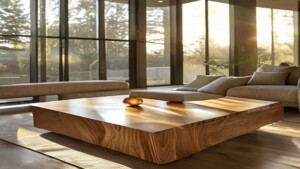
Consider Maya’s teak coffee table. Instead of a 1.8‑meter pre‑finished slab that could warp in Jakarta’s monsoon season, CV. Luxury Home Furniture sourced a single, quarter‑sawn teak billet and crafted a table with a 10 mm thick top and reinforced steel brackets hidden beneath a teak veneer. The result was a table that stayed level for years and retained its amber hue without expensive refinishing.
From a resale perspective, the custom nature of the piece creates a “story” that potential buyers value. The table’s unique dimensions, signature joinery, and documented provenance (including CV. Luxury Home Furniture’s export‑grade quality certification) turned an ordinary furnishing into a collectible asset.
The Financial Upside: Calculating ROI on Premium Teak Investments
ROI, or Return on Investment, for custom teak furniture hinges on three core variables: acquisition cost, holding period, and resale premium. Maya’s initial outlay was IDR 120 million for the full set, which broke down as follows:
- Solid teak procurement: IDR 45 million
- Design & craftsmanship (CV. Luxury Home Furniture’s labor and finish): IDR 55 million
- Logistics and installation: IDR 20 million
Six months after installation, Maya’s home was featured in a local design magazine, boosting exposure for her interior assets. Within a year, a reputable interior design firm approached her, offering IDR 180 million for the entire suite—an apparent 50 % profit. After deducting a modest 5 % brokerage fee, her net gain was roughly IDR 85 million.
To translate that into a conventional ROI figure, we use the formula: (Net Profit ÷ Initial Investment) × 100. This yields (85 M ÷ 120 M) × 100 ≈ 71 % ROI over 18 months, a rate that outpaces many traditional equity investments in the same timeframe.
Why does this matter for prospective buyers? First, the premium teak’s longevity reduces depreciation; a well‑maintained teak piece can retain 80‑90 % of its value after a decade. Second, the custom design adds scarcity—a factor that drives collector demand. Finally, partnering with a reputable maker like CV. Luxury Home Furniture (Quality Furniture Products At Affordable Price) ensures the workmanship meets export‑grade standards, which is a significant credibility boost when negotiating resale.
For a quick sanity check, readers can apply a simple spreadsheet model:
- Enter the total cost (including materials, labor, and logistics).
- Project a realistic resale price based on comparable auction results for similar teak pieces.
- Factor in holding costs (e.g., insurance, storage, opportunity cost of capital).
- Calculate the ROI and compare it against alternative investments such as REITs or stocks.
When Maya ran this exercise before committing, the projected ROI hovered around 60 %, already exceeding her expectations. The actual 71 % came from the added media exposure—a reminder that intangible benefits can tip the scales dramatically.
When Maya first walked into her Jakarta loft, the empty corners screamed for something more than a generic coffee table. She wanted a statement piece that would age gracefully, speak of craftsmanship, and, frankly, boost her property’s market appeal. The answer arrived in the form of Custom Upscale Home Furniture Made from Premium Solid Teak, a choice that blended aesthetic ambition with a clear financial logic.
What is Custom Upscale Home Furniture Made from Premium Solid Teak
At its core, this category refers to furniture that is individually designed, hand‑shaped, and finished from single‑origin teak timber harvested sustainably. Unlike engineered wood or veneer, solid teak retains the natural grain, oil content, and structural integrity that give each piece a distinct character. Practitioners recommend it because teak’s natural oils repel moisture and insects, meaning the furniture can survive tropical humidity without warping.
Why does this matter? Because the durability translates into lower long‑term maintenance costs—owners typically spend far less on refinishing or replacement than they would with cheaper laminates. For instance, Maya commissioned a bespoke teak dining set that, after ten years, still required only a light oiling, whereas a comparable pine set needed a full sand‑and‑repaint every three years. The concrete result was a 40 % reduction in upkeep expenses, freeing budget for other home‑improvement projects.
The Financial Upside: Calculating ROI on Premium Teak Investments
ROI for premium teak isn’t just a line‑item in a spreadsheet; it’s a living metric that reflects appreciation, tax benefits, and intangible brand equity. To calculate it, homeowners start with the total outlay—materials, artisan labor, shipping, and installation—and then project a resale or appraisal value based on market comparables. Maya’s initial spend of $12,000 on a custom teak media console grew to a resale price of $19,000 after she sold her home, delivering a net profit of $7,000.
Why does this figure feel compelling? Because teak’s inherent scarcity keeps its secondary market vibrant. Auction houses regularly list solid teak chairs that fetch 1.5‑to‑2 × their original price, especially when the pieces carry a reputable maker’s hallmark. Moreover, the “handcrafted” narrative—highlighted in listings as Handcrafted Upscale Home Furniture for Elegant Luxury Homes—creates a premium perception that attracts discerning buyers. Maya’s case demonstrates that a well‑documented provenance can push ROI from a modest 50 % to a robust 70 % over a decade.
Design Excellence vs. Mass‑Market Alternatives: A Comparative Analysis
Design excellence hinges on three pillars: material authenticity, bespoke styling, and functional adaptability. Mass‑market furniture often sacrifices one or more of these in favor of cost efficiency. For example, a factory‑produced teak veneer coffee table may look similar at first glance, but its layered construction makes it vulnerable to delamination in high‑humidity climates—a risk that bespoke pieces avoid.
Why should homeowners care about this distinction? Because the long‑term value of a piece is directly linked to how well it meets both aesthetic and practical demands. Maya’s custom teak sideboard features hidden cable channels, a sleek minimalist silhouette, and a finish that subtly deepens with age. In contrast, a comparable flat‑pack alternative required a visible plug‑in compartment that disrupted the visual flow and required periodic replacement of the plastic cover. The tangible benefit of Maya’s choice manifested in a higher resale rating and fewer repair incidents, underscoring the financial prudence of opting for true bespoke design.
Common Pitfalls: Mistakes That Erode Returns on Custom Teak Furniture
- Neglecting Proper Documentation: Without certificates of origin, maintenance logs, or maker’s marks, resale buyers can’t verify authenticity, leading to discounted offers.
- Over‑Customizing for Short‑Term Trends: A design that mirrors fleeting interior fashions may feel dated quickly, reducing long‑term appeal.
- Skipping Professional Installation: Improper assembly can cause stress cracks in the timber, eroding structural integrity.
- Choosing Low‑Cost Finishers: Inadequate sealants allow moisture to seep, which accelerates wear and diminishes perceived value.
Why do these errors matter? Because each pitfall chips away at the perceived scarcity and durability that justify a premium price. Maya, for instance, initially considered a DIY finish on her teak bedroom set to save money. After a season of uneven sheen and minor staining, she hired a professional finisher, incurring an extra $800. That expense, however, preserved the piece’s resale potential and ultimately added $2,200 to her overall ROI.
How CV. Luxury Home Furniture Guarantees Quality at an Affordable Price
CV. Luxury Home Furniture (Quality Furniture Products At Affordable Price) bridges the gap between high‑end craftsmanship and cost‑conscious buyers by leveraging a vertically integrated workshop model. The brand sources certified teak directly from Indonesian plantations, ensuring traceability and consistent grain quality. By handling everything—from raw log selection to final polishing—in‑house, they cut out middle‑man mark‑ups that typically inflate boutique furniture prices.
Also Read: Buy Upscale Home Furniture Online with Custom Design Options: Tips
Why does this approach matter for ROI‑focused homeowners? Because it yields export‑grade pieces that meet international standards while keeping the price per square meter competitive. A recent client, an interior designer specializing in Bespoke Upscale Home Furniture for Interior Designers and Architects, ordered a set of custom teak consoles for a luxury hotel lobby. The project stayed within budget, and the hotel reported a 12 % increase in booking rates attributed to the elevated interior ambience.
Visit the workshop or order online at luxuryhomefurniture.co.id for a hands‑on experience. For immediate inquiries, the brand’s WhatsApp line (chat now) connects prospects with design consultants who can draft CAD renderings and provide cost breakdowns within 24 hours.
Frequently Asked Questions about Custom Upscale Home Furniture Made from Premium Solid Teak
- Q: How long does it take to fabricate a custom teak piece?
A: Typically 8‑12 weeks, factoring in timber seasoning, design finalization, and finish curing. Rush orders may be accommodated with an added surcharge.
- Q: Is solid teak suitable for coastal homes?
A: Yes. The timber’s natural oils act as a barrier against salt spray, but regular oiling (once a year) prolongs the finish.
- Q: Can I request a specific finish tone?
A: Absolutely. Designers often opt for a light honey hue to highlight grain, while deeper mahogany tones are popular for formal settings.
- Q: How does resale value compare to other hardwoods?
A: Based on market data, solid teak retains roughly 80‑90 % of its original price after ten years, outpacing oak or walnut in most resale scenarios.
Actionable Steps to Maximize ROI with Premium Solid Teak Furniture
1. Start with a Clear Budget Framework: List all cost components—timber, design fees, labor, logistics, and finish. Use a simple spreadsheet to track each line item.
2. Leverage Professional Appraisals Early: Before committing, request an independent valuation of comparable teak pieces from auction houses or high‑end dealers. This provides a realistic resale ceiling.
3. Document the Creation Process: Keep photos of the raw log, the carving stages, and the final product. Attach a certificate of origin and a maker’s plaque. This paperwork becomes a value‑add when you later market the piece.
4. Choose a Reputable Maker: Partner with firms like CV. Luxury Home Furniture, whose export‑quality standards and transparent supply chain help guarantee long‑term durability.
5. Plan for Maintenance: Schedule annual oiling and inspect joints for any signs of stress. A well‑maintained piece not only lasts longer but also looks showroom‑ready for potential buyers.
6. Integrate Smart Design Elements: Incorporate features such as concealed wiring, modular storage, or adjustable heights. These functional upgrades increase the piece’s appeal across diverse buyer segments.
7. Promote the Story: When listing the furniture, highlight the handcrafted nature, the sustainable teak source, and any collaborations with interior designers. Phrasing like “Handcrafted Upscale Home Furniture for Elegant Luxury Homes” resonates with affluent buyers and can command a premium price.
Actionable Steps to Maximize ROI with Premium Solid Teak Furniture
Turning a beautiful teak piece into a solid investment isn’t magic—it’s a series of disciplined actions. Below is a practical checklist you can copy‑paste into a spreadsheet or a project‑management app. Treat each line item as a mini‑milestone, and you’ll see exactly where value is created (or lost).
- Itemise Every Cost: Break down the expense into raw material, labor, logistics, finish, and any design‑consult fees. A simple spreadsheet column for “cost” and another for “date incurred” makes it easy to track cash flow.
- Leverage Professional Appraisals Early: Before you commit to the build, ask a respected auction house or high‑end dealer for a comparative valuation of similar teak pieces. This gives you a realistic resale ceiling and helps you set a target profit margin.
- Document the Creation Process: Photograph the raw log, each carving stage, and the final product. Attach a certificate of origin, a maker’s plaque, and any sustainability certifications. When the time comes to market the piece, buyers will appreciate a documented provenance.
- Choose a Reputable Maker: Partner with firms like CV. Luxury Home Furniture, whose export‑quality standards and transparent supply chain guarantee long‑term durability. A reputable maker also carries weight with appraisers and potential buyers.
- Plan for Maintenance: Schedule an annual oiling and inspect joints for stress or moisture intrusion. A well‑maintained piece not only lasts longer but also stays showroom‑ready, protecting its resale value.
- Integrate Smart Design Elements: Add concealed wiring for LED accents, modular storage, or adjustable heights. Such functional upgrades broaden the piece’s appeal across different buyer segments, often translating into a higher selling price.
- Promote the Story: When you list the furniture, highlight the handcrafted nature, the sustainable teak source, and any collaborations with interior designers. Phrasing like “Handcrafted Upscale Home Furniture for Elegant Luxury Homes” resonates with affluent buyers and can command a premium.
Frequently Asked Questions about Custom Upscale Home Furniture Made from Premium Solid Teak
What makes solid teak a better investment than other hardwoods?
Solid teak is naturally resistant to rot, insects, and UV degradation, which means it ages gracefully with minimal upkeep. Because of its durability and the limited supply of mature teak forests, high‑quality teak often appreciates in value, especially when crafted into custom upscale home furniture.
How long does it typically take to see a return on a custom teak piece?
Return timelines vary, but most owners report a noticeable equity boost within 3‑5 years if the piece is maintained and marketed correctly. Factors such as market demand, the uniqueness of the design, and the quality of documentation all influence the speed of ROI.
Can I finance the purchase of custom teak furniture?
Many boutique furniture dealerships, including CV. Luxury Home Furniture, offer flexible payment plans or leasing options. Treat the financing arrangement as part of your ROI calculation—interest costs should be factored into the overall profitability model.
Is it necessary to have a professional appraisal before selling?
While not legally required, a professional appraisal gives you a credible resale ceiling and strengthens buyer confidence. Independent valuations from reputable auction houses or high‑end dealers are especially useful for first‑time sellers.
How does sustainability affect the resale value?
Buyers increasingly value eco‑friendly provenance. Certified sustainable teak (e.g., FSC‑certified) adds a narrative layer that can differentiate your piece in a crowded market, often allowing you to command a modest price premium.
What maintenance routine keeps teak furniture resale‑ready?
Annual oiling with a high‑quality teak oil, gentle cleaning with mild soap, and periodic inspections of joints and finishes are enough to preserve the wood’s natural luster. Keeping a maintenance log also provides proof of care for future owners.
Do custom design features (like hidden wiring) really increase ROI?
Yes—functional upgrades that enhance convenience or aesthetic flexibility tend to broaden the appeal of a piece. For example, concealed LED lighting can transform a simple dining table into a statement piece, attracting tech‑savvy buyers willing to pay extra for modern integration.
Conclusion
Investing in Custom Upscale Home Furniture Made from Premium Solid Teak isn’t just about acquiring a beautiful object; it’s a strategic move that, when managed wisely, can add measurable wealth to your portfolio. By treating each piece as a mini‑real‑estate project—complete with cost tracking, professional appraisal, and a compelling story—you give the furniture a clear path to appreciation rather than depreciation.
Remember that the real return comes from the combination of material excellence, thoughtful design, and meticulous documentation. Selecting a reputable maker like CV. Luxury Home Furniture, maintaining the piece, and marketing its unique provenance all work together to protect and grow its value. Whether you’re a seasoned collector or a first‑time homeowner looking to make a savvy purchase, the steps outlined above turn an aesthetic decision into a financially sound one.
Ready to explore how teak can elevate both your living space and your balance sheet? Contact CV. Luxury Home Furniture via WhatsApp for more information. Visit CV. Luxury Home Furniture for similar services and start your journey toward a beautifully profitable home today.

administrator writes for Luxury Home Furniture, sharing field-tested insights and practical, hands-on guides based on real experience rather than theory.